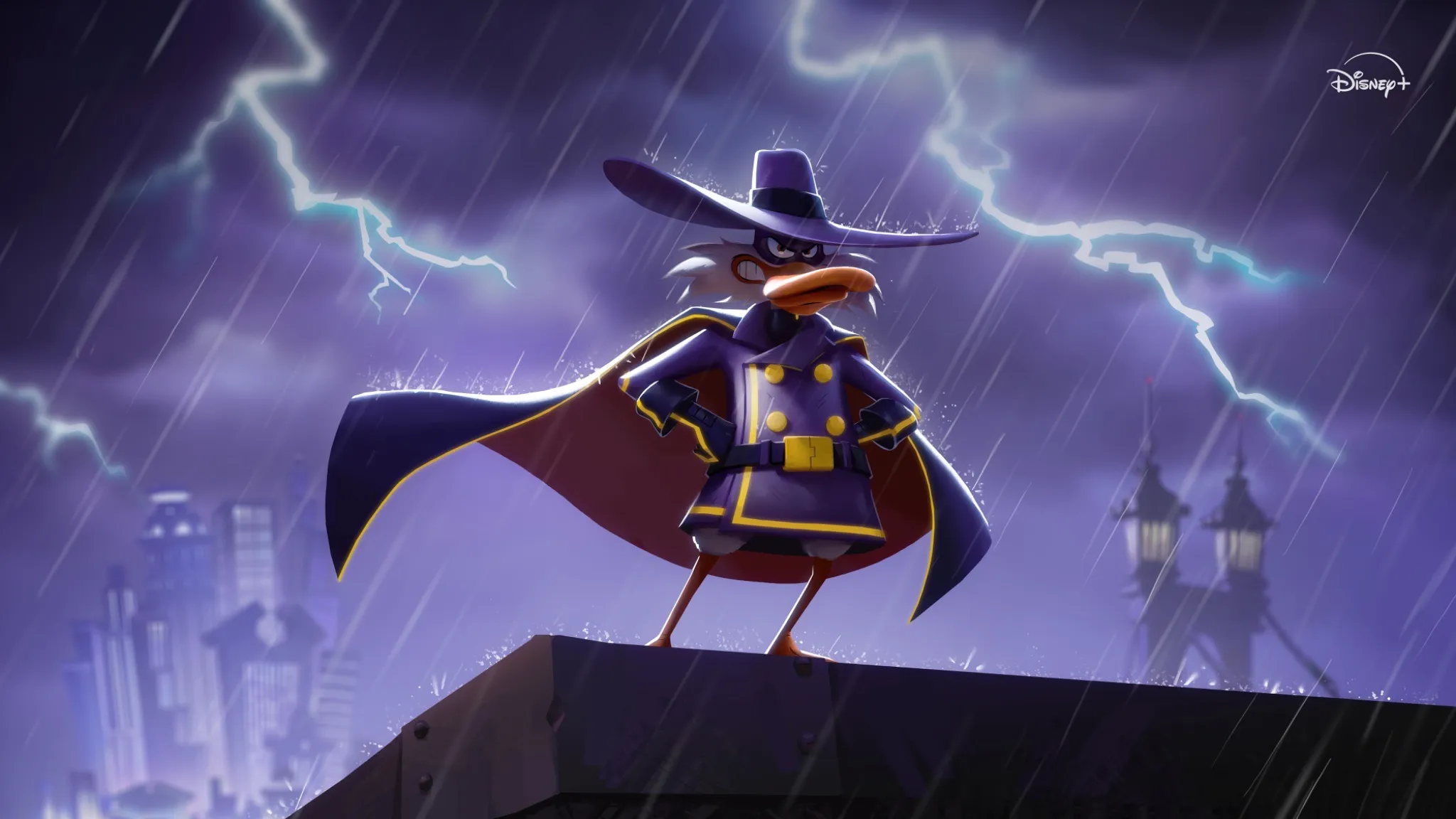
‘Darkwing Duck’ Reboot Ordered to Series at Disney+
Disney+ has officially ordered a reboot of ‘Darkwing Duck’ to series, featuring a star-studded voice cast, including Mark Hamill and Seth Rogen.
On September 7, 1985, Star Wars introduced two beloved Saturday morning cartoon series: Droids and Ewoks, diverging from the main saga's central characters.
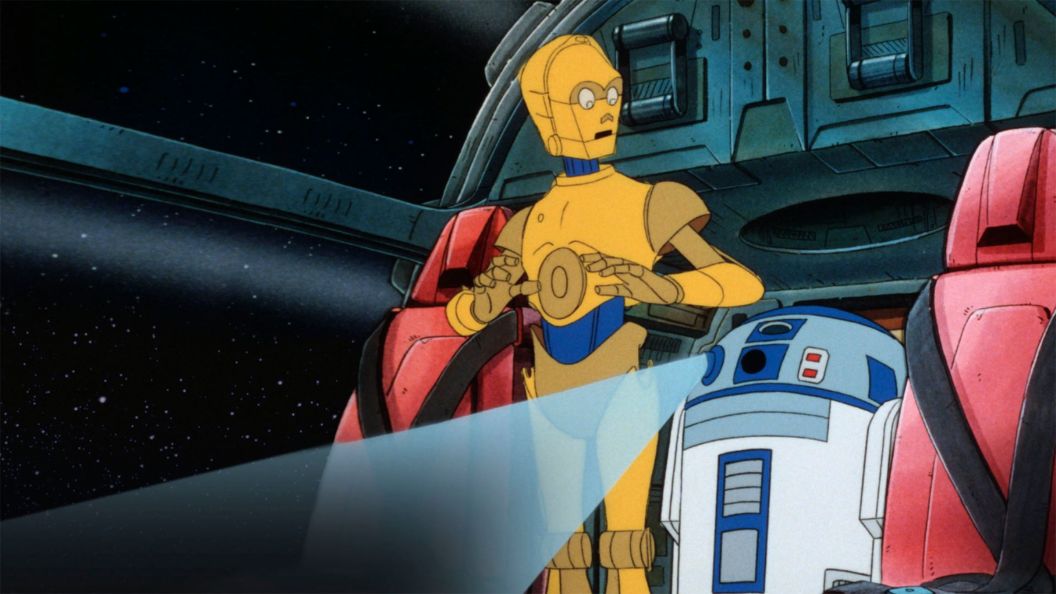
On September 7, 1985, the Star Wars franchise expanded beyond its cinematic roots with the debut of two cartoon series: Star Wars: Droids and Star Wars: Ewoks. This announcement comes from ComicBook.com, highlighting how these shows provided young audiences with a unique look into the larger Star Wars universe, featuring characters like R2-D2, C-3PO, and the charming Ewoks of Endor.
Star Wars: Droids centered on the iconic droids R2-D2 and C-3PO, following their adventures in the galaxy before they encountered Luke Skywalker. The series explored their journeys through various planets, engaging with notorious characters such as Boba Fett and criminal gangs. The storytelling framework wrapped around their misadventures and friendships added depth to the droid characters, making them relatable and engaging for young viewers. One key character, Jann Tosh, exemplifies the series’ ability to blend ordinariness with adventure, redefining the hero archetype in Star Wars.
Conversely, Star Wars: Ewoks focused on the furry inhabitants of Endor. The series showcased Wicket and his friends in heartwarming tales filled with themes of friendship and family. Unlike anything seen in the main films, the Ewoks confronted witches, rival species, and even Imperial threats, transforming their home planet into a vibrant fantasy world. Episodes such as “Battle for the Sunstar” incorporated larger galactic conflicts into the storyline, allowing the seemingly small Endor to interact with the broader Star Wars narrative.
Both Droids and Ewoks enjoyed varying success during their airing—Droids lasted for one season while Ewoks ran for two. However, in 2014, when the Star Wars franchise reset its canon, these beloved shows were relegated to the status of “Legends,” losing their official standing in the Star Wars narrative. This decision generated disappointment among fans who cherish the memories and imagination that these series contributed to the Star Wars mythos. Many argue that the unique worlds and characters introduced in these cartoons warrant reconsideration of their canonical status.
For many fans who grew up watching these cartoons, Star Wars: Droids and Ewoks remain a cherished part of their childhood. They illustrate a time when the franchise was unafraid to explore diverse storytelling avenues, enriching the Star Wars universe with whimsical narratives and captivating adventures. This nostalgia may influence modern viewers and creators to reflect on the potential of blending various styles and tones in storytelling.
As we commemorate 41 years since the launch of Star Wars: Droids and Ewoks, the conversation about their impact on the Star Wars franchise continues to resonate with fans. The feelings of loss regarding their exclusion from the current canon highlight the ongoing dialogue about the importance of legacy and memory in media narratives.
For dedicated enthusiasts, it opens the door to discussions about the potential revival or reimagining of these stories to fit within today’s Star Wars landscape. Fans advocate for their return to canon, and while the future remains uncertain, the legacy of these series undoubtedly continues to thrive in the imaginations of many. For more context on the lasting impact of these shows, refer to the full report from ComicBook.com.
Explore more about how these shows fit into Star Wars culture, including the recent commemorations of other classic series in our articles on Star Trek's 60 Years of Impact and the Evolution of Sonic the Hedgehog on TV.
Entertainment news
EpisodeBreakdown may use automated tools to assist research, drafting, and formatting. Published pages are governed by our editorial and corrections policies, and source links are shown when they are available in the article record.
Discovery source: ComicBook.com. The source identifies where the topic was discovered; EpisodeBreakdown is responsible for the commentary published on this page.
Reader response
Reactions and poll results are based on real reader responses. No account is required.