test
asdasd
Discover why revisiting Stranger Things in today's context can be a challenge, despite its status as a beloved series.
Explore the franchise
Despite becoming a cornerstone of Netflix’s original programming, Stranger Things has aged in ways that may surprise its dedicated fanbase. What was once a cultural sensation is now met with mixed feelings upon rewatching. Here, we explore ten reasons why diving back into the Upside Down might not feel as magical as it once did.
Stranger Things, created by the Duffer Brothers, first premiered in 2016. The nostalgia-laden series, set in the 1980s, captivated audiences with its blend of supernatural elements, endearing characters, and a compelling storyline. However, fast forward to 2026, and it’s become increasingly apparent that some elements of the show haven’t aged gracefully.
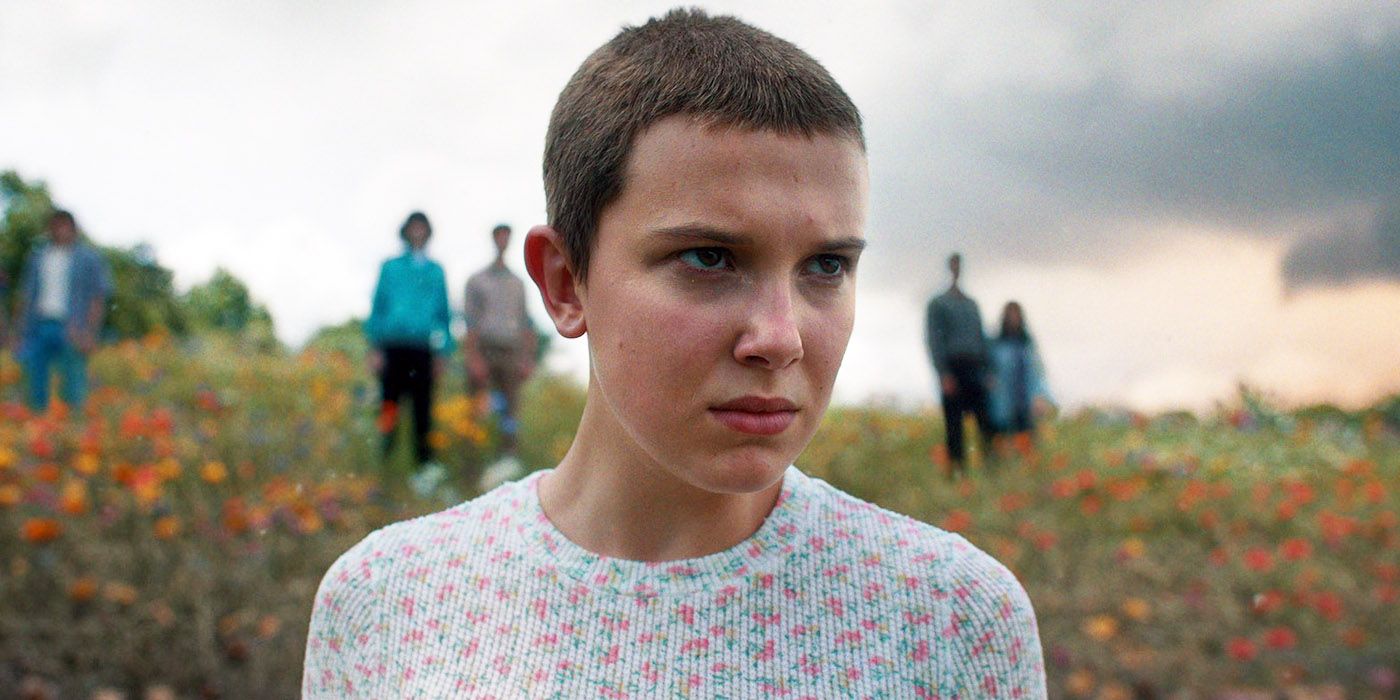
Set in the fictional town of Hawkins, Indiana, Stranger Things begins with the mysterious disappearance of young Will Byers. His friends, along with a strange girl known only as Eleven, embark on an adventure filled with government conspiracies, supernatural monsters, and a parallel dimension known as the Upside Down. The show intricately weaves together various themes, including friendship, familial bonds, and the loss of innocence.
While the initial premise was thrilling and captivating, and each season added layers to its haunting mythology, a decade later, the storytelling may feel less innovative and more formulaic. This is the first reason that might make it tough—a sense of predictability has set in.
Part of the allure of Stranger Things comes from its talented ensemble cast. The characters of Mike, Eleven, Dustin, Lucas, and others developed well over the seasons, providing viewers an emotional connection that resonated deeply. However, rewatching their arcs in today's cultural landscape can highlight their flaws and less relatable qualities, making some interactions feel dated or oversimplified.
For instance, Eleven's development from a silent, mysterious girl to a powerful young woman was powerful; however, aspects of her character’s portrayal may now seem stereotypical or problematic under modern scrutiny.
As the series reached its climactic moments, viewers were left with their jaws on the floor at the culmination of various plot lines. The final battles against the Mind Flayer and the emotional complexities surrounding Eleven and her friends were designed to be epic. Those who followed along might find it hard to reconcile the thrilling transport back to Hawkins with the revelations and themes presented in the final episodes.
Rewatching the series may reveal some unresolved character arcs or storylines that did not see satisfying conclusions, leading to a feeling of emotional discontent rather than resolution.
As Stranger Things has concluded its run, speculation abounds regarding any potential spin-offs or related projects. While fans are left debating what direction the story could take, many have mixed feelings. The nostalgia factor can often make revisiting the original seem crucial, but the current landscape of television, with its wealth of options, might suggest that the magic is better left in the past.
New series with more progressive representations and intricate storytelling have set a high bar that Stranger Things, in its last phases, might not have met, making the next viewing experience feel somewhat diminished.
The conversation around Stranger Things aging poorly is trending for several reasons. Firstly, the re-examination of older media has become more prevalent as audiences have become more critical of representation and themes in content from previous decades. The nostalgia for the characters and moments remains strong, but audiences are now more aware of the societal changes that influence how we perceive storytelling.
Moreover, as Netflix’s focus shifts to new content, the discussions surrounding long-finished series like Stranger Things become symbolic of the struggles faced by beloved shows in the eyes of evolving expectations. The juxtaposition of past excitement with current accessibility often stirs debate.
While Stranger Things may have once defined a generation of binge-watchers, its shortcomings become more apparent with time. The nostalgic allure remains strong, but issues of pacing, character depth, and cultural impact raise significant questions when revisiting the series today. Ultimately, the magic might still be there, but it’s overshadowed by some challenges, making it tough to sit down and re-experience the series with the same glee.
As we stand on the cusp of perhaps new series inspired by the Stranger Things legacy, consider how one of the initial icons of streaming has transitioned to become a case study of what can age well, and what can fall short. Stranger Things will always hold a special place in many hearts, but approaching it with a critical lens might provide a more enriching viewing experience as we move forward in the ever-evolving landscape of television.
Story breakdown
EpisodeBreakdown may use automated tools to assist research, drafting, and formatting. Published pages are governed by our editorial and corrections policies, and source links are shown when they are available in the article record.
Discovery source: CBR TV. The source identifies where the topic was discovered; EpisodeBreakdown is responsible for the commentary published on this page.
Reader response
Reactions and poll results are based on real reader responses. No account is required.