Spider-Noir Creator Reveals Season 2 Ideas After Cancellation
Spider-Noir showrunner Oren Uziel discusses the potential of a second season following the show's abrupt cancellation.
NBC's $44 million miniseries The 10th Kingdom, aired in 2000, significantly influenced the fantasy genre on television.
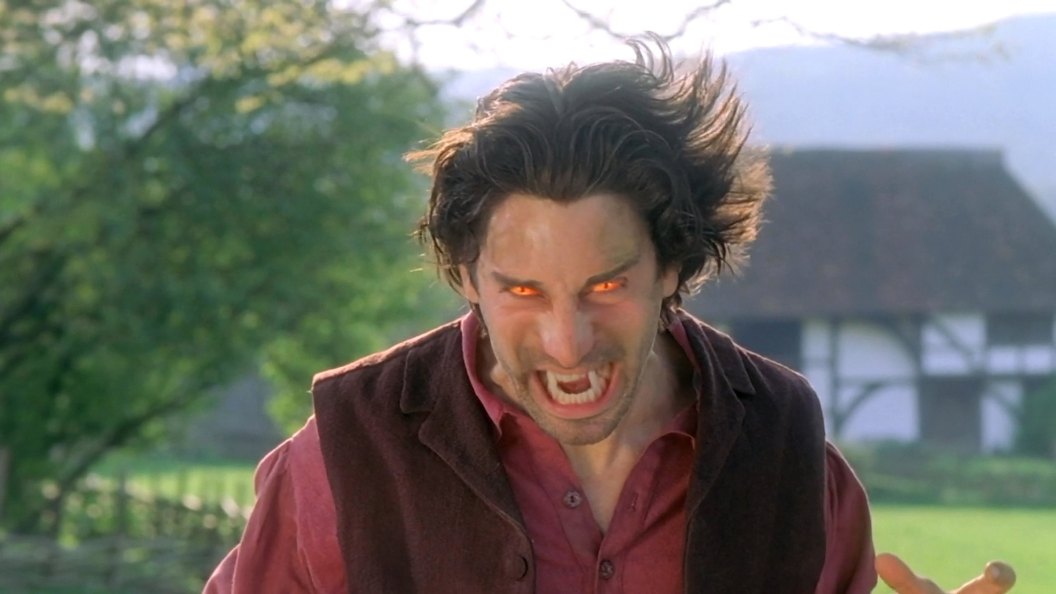
In February 2000, NBC aired The 10th Kingdom, a ten-hour miniseries that intertwined the contemporary life of a New York waitress with a fantastical world of fairy tales. Costing a reported $44 million, this ambitious project was intended to attract viewers during a competitive ratings period—a strategy that proved detrimental to its success when the network shifted the final episodes out of the scheduled time slot.
According to a detailed feature by ComicBook.com, while The 10th Kingdom initially garnered significant viewer attention with 14 million watching its premiere, it failed to meet NBC's lofty expectations, receiving only one Emmy nomination for main title design. Despite the mixed critical reception—including harsh critiques labeling it "six hours too long"—the series cultivated a dedicated fan base that remains active nearly three decades later.
The plot centers on Virginia Lewis, portrayed as a waitress navigating a mundane life, who is unexpectedly thrust into a world where happily ever after has long passed. The miniseries introduced a unique premise, exploring the consequences and complexities faced by characters from iconic fairy tales as they navigate their legacies. This innovative approach laid the groundwork for future fantasy series like Once Upon a Time, which would not debut until eleven years later. However, the connections between the two shows have gone largely unrecognized, with creators of the latter crediting different influences instead.
Despite being labeled a failure by network standards at its debut, The 10th Kingdom has experienced a resurgence in popularity over the years. The audience rating for the series stands at an impressive 95%, reflecting its impact on the niche it sought to create. Additionally, the development of a fan-driven sequel, along with over 18,000 signatures on a petition to revive the series since 2017, shows a continued craving for stories within its universe. The original creator, Simon Moore, has also hinted at a sequel novel that may act as a blueprint for a potential adaptation.
Viewers looking for a nostalgic return or a first glimpse at this early fantasy epic can now find The 10th Kingdom available for streaming on platforms such as Tubi and Pluto TV. The increasing accessibility could prompt a new generation to discover this unique blend of fairy tale charm and modern-day struggles.
As the television landscape evolves, the early groundwork laid by The 10th Kingdom highlights the cyclical nature of media trends and audience desires. Its revival efforts suggest a persistent interest in the rich narratives within its framework, and with the growing popularity of fantasy series, it serves as a reminder that sometimes, shows emerge ahead of their time, only to gain their rightful place in the hearts of viewers later on.
For more information on the influences of early fantasy series, check out our pieces on The Fresh Prince of Bel-Air and 30 Years Since Pinky and the Brain.
Entertainment news
EpisodeBreakdown may use automated tools to assist research, drafting, and formatting. Published pages are governed by our editorial and corrections policies, and source links are shown when they are available in the article record.
Discovery source: ComicBook.com. The source identifies where the topic was discovered; EpisodeBreakdown is responsible for the commentary published on this page.
Reader response
Reactions and poll results are based on real reader responses. No account is required.