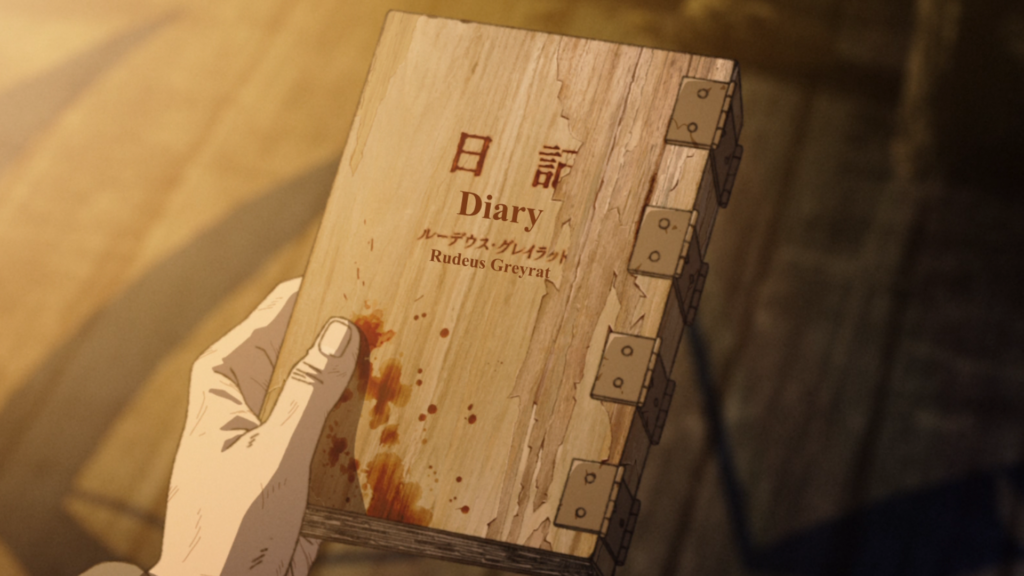
Mushoku Tensei Releases Old Rudeus' Full Diary From Light Novel Volume 15 After Season 3 Episode 13
Mushoku Tensei: Jobless Reincarnation has released the full Old Rudeus diary following the release of Season 3 Episode 13.
The Batman Who Laughs has a reputation as one of the most hated villains in comics, but that hatred was always overblown. ComicBook.com's analysis reveals the character wasn't as omnipresent as fans claimed, with DC's strategic rollout creating inevitable backlash.
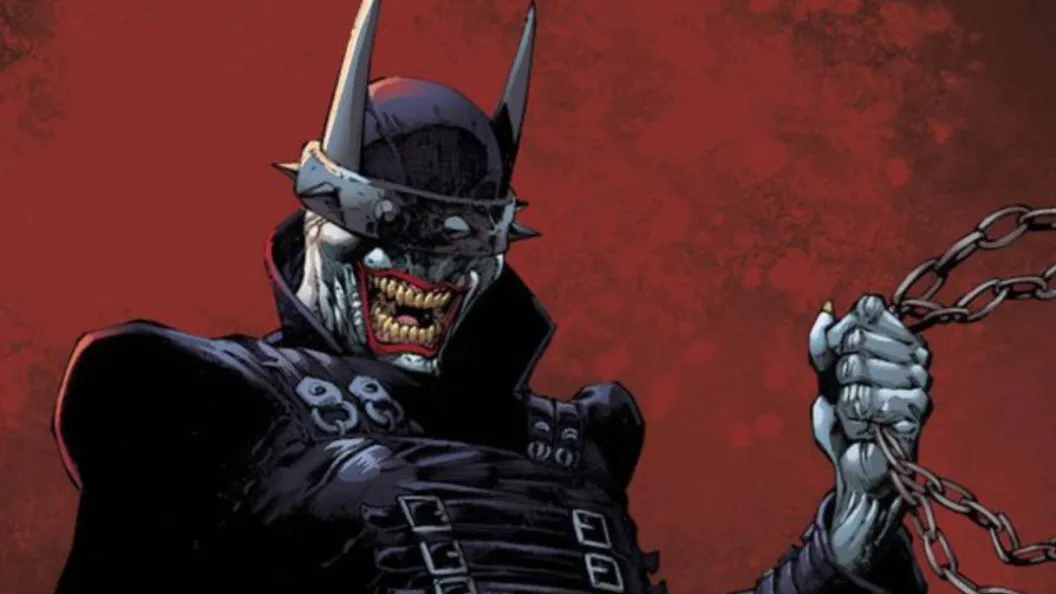
ComicBook.com has reported that the Batman Who Laughs, DC Comics' infamous villain, wasn’t as omnipresent in DC’s 2018-2020 Dark Knights era as many fans believed. The analysis, published on September 21, 2026, clarifies that while the character gained significant attention, he rarely appeared in major storylines and was largely a niche element for readers who actively sought him out.
The article notes that the Batman Who Laughs debuted in 2017 with Dark Knights: Metal, a series that introduced Batman variants from the Dark Multiverse. These characters, including the Batman Who Laughs, were designed to be overpowered and capable of defeating Justice League members. The villain’s story arc spanned Dark Knights: Death Metal (2020) and related titles like Year of the Villain: Hell Arisen.
The Batman Who Laughs’ presence in DC’s major titles was far less frequent than the myth suggests. According to ComicBook.com, the character barely appeared in Justice League (Vol. 4), the primary story driver of the era, and never joined the Legion of Doom. This absence was critical for understanding the character’s role, as readers who skipped Year of the Villain: Hell Arisen would have missed why the Batman Who Laughs became Perpetua’s right hand rather than Lex Luthor.
The article emphasizes that the Batman Who Laughs was one of the most overpowered characters in DC’s multiverse, capable of outmaneuvering opponents and turning the tables on foes. However, his limited appearances in mainstream titles meant he was not a constant threat across the entire DC universe.
ComicBook.com attributes the character’s backlash to DC’s intentional design strategy. The Batman Who Laughs was engineered to be popular from the outset, with his visual style and narrative hooks tailored to appeal to superhero fans. This approach mirrors the 'John Cena Effect,' where fans rebel against characters they perceive as corporate creations rather than organic additions to the story.
The article explains that the backlash was inevitable because Batman has always been a character that fans both love and hate. As ComicBook.com’s author notes, 'there’s no such thing as a Batman without a backlash.' The character’s popularity led to a paradox: fans who embraced him initially began to resent his overuse, creating a cycle of appreciation and frustration.
While the Batman Who Laughs has a reputation as one of the most hated villains in comics, ComicBook.com argues that the backlash was exaggerated. The character’s mythos—being present in every book and defeating heroes—was largely a construct of fan imagination rather than reality. The article states that the Batman Who Laughs was 'not a bad character' but rather a Joker-ized Batman who, when executed well, could be chilling.
The analysis highlights that DC’s approach to the character was strategic: they created a villain who would generate buzz but not dominate the narrative. This strategy backfired in the eyes of some fans, who felt the character was 'designed in a lab' to appeal to a specific audience rather than emerging organically from the Batman mythos.
The Batman Who Laughs’ legacy remains complex. While he was a significant character in DC’s Dark Knights era, his impact was limited to a subset of readers who actively pursued his storylines. The article notes that the character’s popularity was short-lived, with fans quickly realizing he was a deliberate marketing tool rather than a natural evolution of the Batman mythos.
This dynamic has broader implications for DC Comics’ approach to character development. The Batman Who Laughs serves as a case study in how even the most popular characters can face backlash when their creation is perceived as too calculated rather than organic.
The Absolute Batman Animated Series Announcement Revealed by ComicBook.com
4 Underrated Batman Cartoons That Are Just as Good as the ’90s Animated Series
Entertainment news
EpisodeBreakdown may use automated tools to assist research, drafting, and formatting. Published pages are governed by our editorial and corrections policies, and source links are shown when they are available in the article record.
Discovery source: ComicBook.com. The source identifies where the topic was discovered; EpisodeBreakdown is responsible for the commentary published on this page.
Reader response
Reactions and poll results are based on real reader responses. No account is required.