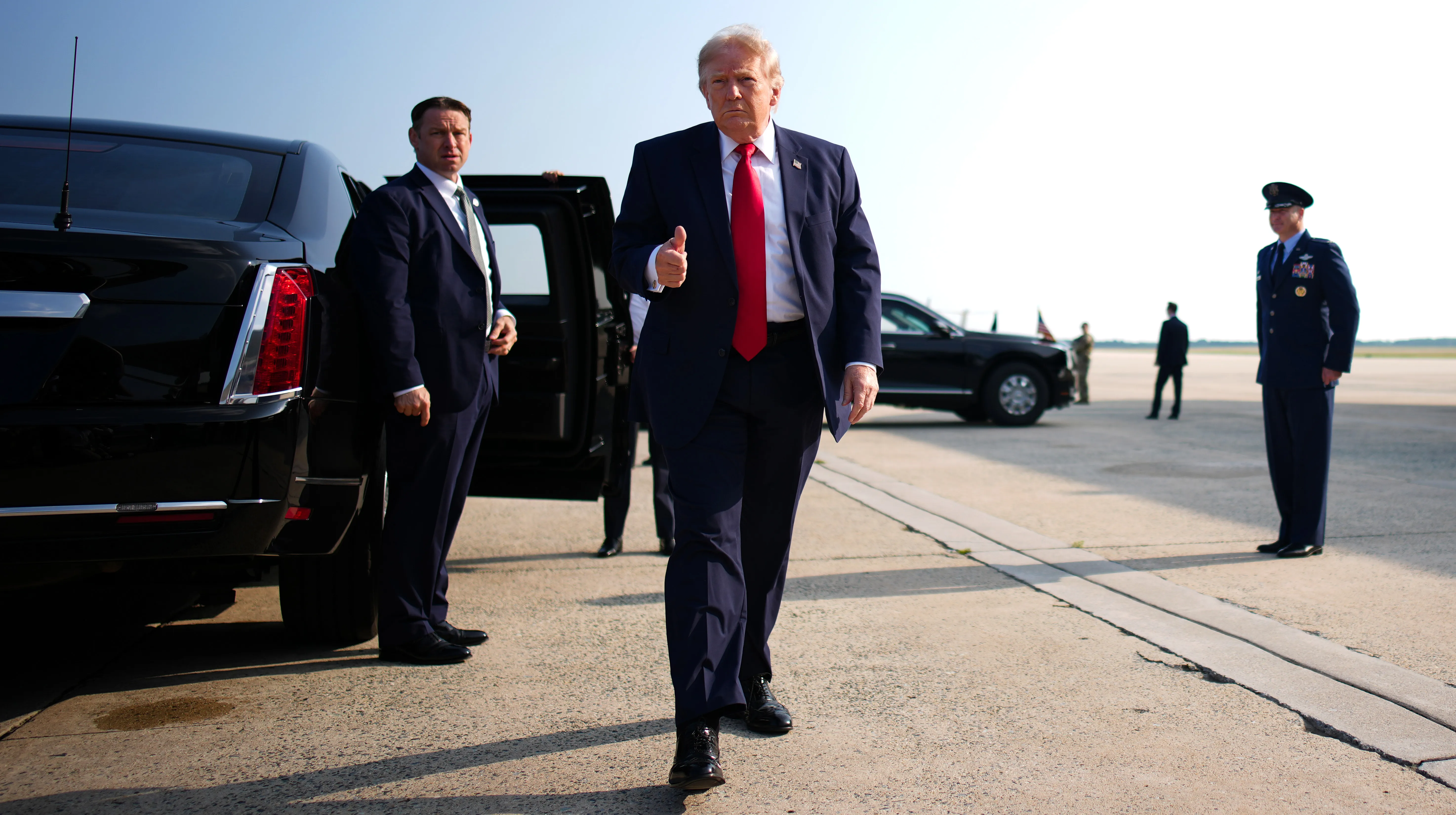
The White House has launched its own YouTube channel, Trump TV, as part of a broader strategy to create an independent media ecosystem, following bans on CNN, MS NOW, and Politico.
The White House has launched its YouTube channel, officially branded as Trump TV, as part of a deliberate effort to establish an independent media ecosystem. According to The Hollywood Reporter, the channel debuted with a sizzle reel featuring clips from popular TV shows like The Office, Family Guy, The Simpsons, and Friends—a move that signals the administration’s focus on leveraging existing entertainment content to attract viewers.
This initiative comes amid the White House’s recent actions to ban legacy media outlets, including CNN, MS NOW, and Politico, which the administration has threatened to expand to other networks such as Fox News, NBC News, CBS News, and ABC News. The bans have prompted these networks to suspend their TV press pools, creating a vacuum the White House aims to fill with its own digital platform.
Trump TV’s Content Strategy
Trump TV’s initial programming appears to prioritize live speeches and events, with a tagline emphasizing its role as 'the essentials station.' Unlike traditional news networks, the channel focuses on real-time coverage of White House events rather than in-depth reporting. The channel’s sizzle reel suggests a broad appeal, but its current content leans toward the administration’s messaging needs rather than entertainment.
The White House has also integrated influencers into its media strategy. For example, the Pentagon recently hosted YouTubers Jake and Logan Paul in a press briefing room, bypassing traditional journalists. Similarly, the Small Business Administration (SBA) launched a 'Million Dollar Pitch' competition, hosted by actor Dean Cain and featuring judges like rapper Nicki Minaj and financial influencer Grant Cardone. The event is set to air as a TV special next month.
Cabinet Secretaries and Government Media Projects
The administration’s media ecosystem extends beyond Trump TV to include shows featuring cabinet secretaries. The Department of Transportation launched The Great American Road Trip, a YouTube series starring Secretary Sean Duffy and his family, promoting the administration’s 'America 250' initiatives. Duffy, a media veteran with experience on MTV’s The Real World and Road Rules, has transitioned from cable news to government roles.
Other examples include HHS Secretary Robert F. Kennedy’s The Real Food Show, a cooking series that also includes a podcast, and a high school sports competition streamed on ESPN. These projects highlight the administration’s strategy of using government officials as media personalities to shape public perception.
Context of Media Shifts
The White House’s move reflects broader trends in media consumption. Traditional media faces challenges from declining pay-TV subscriptions, AI-driven content, and the rise of digital platforms. The recent settlement of Paramount’s antitrust lawsuit with CBS News and CNN has further reshaped the industry, potentially leading to mergers and layoffs.
While the administration has banned traditional news outlets, its focus on alternative media channels—such as podcasts and influencer collaborations—suggests a strategic shift. The White House has leveraged its existing relationships with media veterans to build a cohesive ecosystem that aligns with its messaging goals.
Why This Matters
The launch of Trump TV and the broader media strategy signal a significant shift in how the White House communicates with the public. By creating its own digital platform, the administration aims to bypass traditional media gatekeepers and directly engage with audiences through content that aligns with its messaging. This approach could redefine the relationship between government and media in the digital age.
The White House’s efforts also highlight the growing influence of social media and influencer culture in political communication. As the administration integrates influencers and media veterans into its messaging, it may set a precedent for future administrations to leverage digital platforms for political outreach.
White House Unveils Trump TV ChannelTrump TV’s Content StrategyCabinet Secretaries and Government Media ProjectsContext of Media Shifts
EpisodeBreakdown may use automated tools to assist research, drafting, and formatting. Published pages are governed by our editorial and corrections policies, and source links are shown when they are available in the article record.
Discovery source:The Hollywood Reporter. The source identifies where the topic was discovered; EpisodeBreakdown is responsible for the commentary published on this page.
Reader response
What did you think?
Be the first to react
Reactions and poll results are based on real reader responses. No account is required.
Continue the story
news
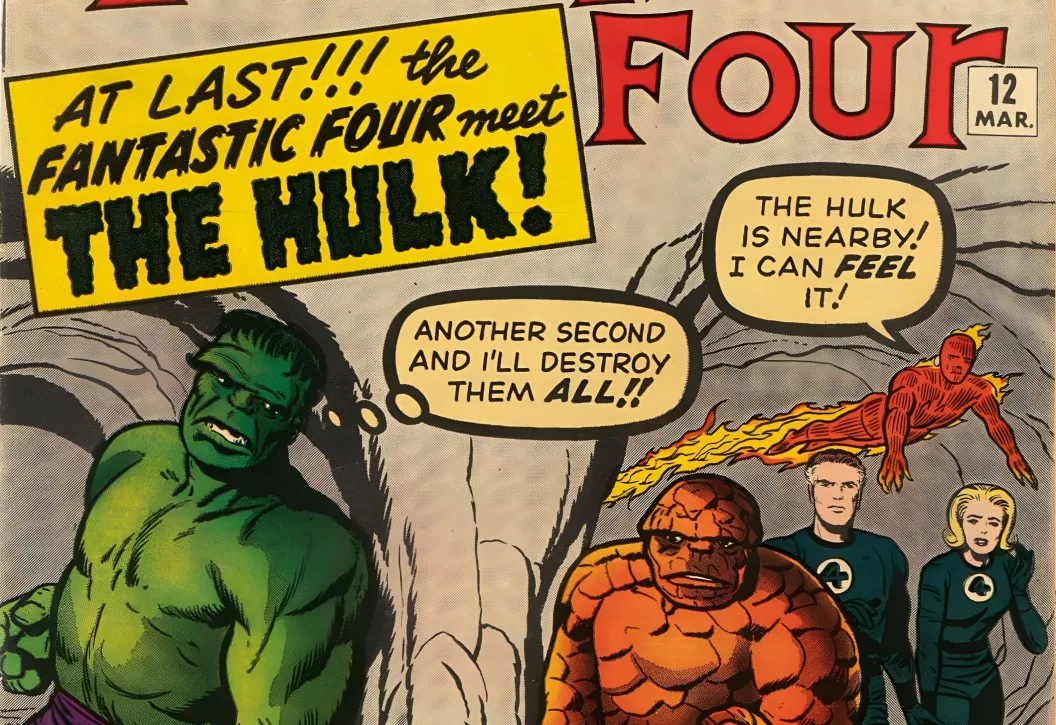
Marvel’s Hulk-Thing Rivalry Begins in 1962’s Fantastic Four #12
ComicBook.com reports that Marvel’s iconic Hulk-Thing rivalry originated in 1962’s Fantastic Four #12, a Silver Age comic that helped establish Marvel’s interconnected universe. The issue features the first major clash between the two heroes, with the Thing surviving a brutal battle against the Hulk before the Wrecker intervenes.Read next →