5 Best TV Shows To Watch After House Of The Dragon (That Aren't Game Of Thrones)
Looking for captivating shows after "House of the Dragon"? Here are five must-watch recommendations from TVLine that deliver epic narratives and intrigue.
An overview of how key characters meet their end in the series 'The Boys' reveals a mix of brutality and emotion.
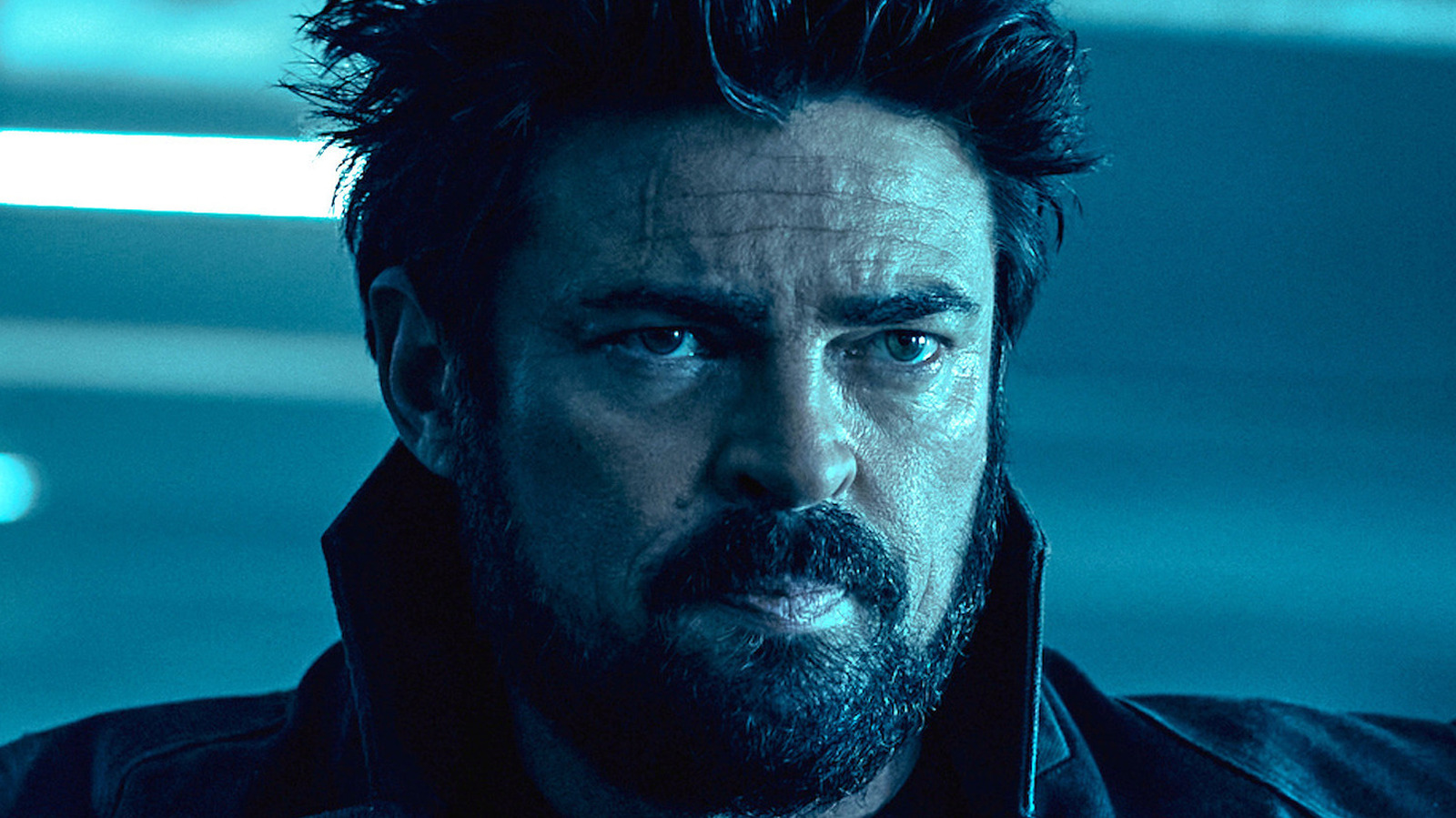
On September 12, 2026, TVLine detailed the fates of major characters across all five seasons of The Boys, highlighting the series' consistent penchant for brutal and creative deaths.
The Boys is known for its distinctive narrative style, blending dark humor with shocking violence. The character deaths range from gory moments to those laden with emotional heft. Central figures such as Homelander, Billy Butcher, and various members of the Seven face uniquely crafted endings that intertwine gruesomeness with significant emotional stakes. As noted by TVLine, these moments not only serve to shock but also illustrate the weight of each character’s journey throughout the series.
The chaos begins with Translucent, the Supe with the ability to become invisible, who meets his end in an imaginative manner in early episodes. His death symbolizes The Boys' willingness to blend humor and horror, exposing a fate that intricately ties into the continuing chaos of the narrative. Similarly, Madelyn Stillwell's shocking demise at the hands of Homelander reveals the complex interplay of power and violence in the show’s universe; her death serves as a catalyst for the ongoing conflict between Homelander and the Boys.
Throughout the series, emotional stakes are heightened by character arcs that twist tragic consequences into poignant moments. Becca Butcher's death is framed as a deeply impactful moment affecting not just her fate but also that of her son, Ryan, shaping his relationship with both Homelander and Billy Butcher. This emotional core resonates with audiences, marking her death as more than a plot device; it becomes a significant narrative turning point.
In the final episodes, tension escalates as characters face inevitable confrontations, reflecting the series' thematic explorations of sacrifice and redemption. Notably, Billy Butcher confronts his mortality amidst his long-standing vendetta against Homelander. Meanwhile, the fates of A-Train, the Deep, and Oh Father illustrate a calculated balancing act of justice and retribution played out in a visceral manner, impacting audience reception.
While the series consistently subverts superhero tropes, the violent upheaval of character deaths has resulted in mixed reactions from fans. Some viewers appreciate the bold approach, while others express dissatisfaction with perceived rushed story arcs, especially regarding characters like Butcher. These differing perspectives contribute to an ongoing dialogue about storytelling in The Boys, signaling how the series has become a reference point for discussions about character development and moral ambiguity in today’s entertainment landscape.
Ultimately, The Boys has established itself as a reflective critique of power dynamics within a superhero context. The pattern of character deaths serves not merely as shock value but as a device to advance the narrative, create emotional depth, and challenge the status quo within the genre. This thematic exploration continues to shape fan expectations and individual character legacies, making each death significant beyond the moment on screen.
The revelations from TVLine regarding the final character deaths in The Boys provide crucial insights into how the series navigated complex themes of power, loyalty, and sacrifice throughout its run. As fans absorb the intricacies of these character arcs, the impact of storytelling in The Boys ensures its place not just as a show filled with shocking moments but as a transformative narrative within the superhero genre.
Entertainment news
EpisodeBreakdown may use automated tools to assist research, drafting, and formatting. Published pages are governed by our editorial and corrections policies, and source links are shown when they are available in the article record.
Discovery source: TVLine. The source identifies where the topic was discovered; EpisodeBreakdown is responsible for the commentary published on this page.
Reader response
Reactions and poll results are based on real reader responses. No account is required.