Iron Man's Legacy: Five Factors That Cemented His Marvel Legend
ComicBook.com has detailed five key factors that contributed to Iron Man's enduring legacy as a Marvel legend. The article, published on September 21, 2026, highlights how Tony Stark's character has survived decades of ups and downs to become one of the most iconic superheroes in Marvel history.
The Evolution of Iron Man's Popularity
Iron Man was created in the early 1960s as part of the Marvel Universe's birth. Initially an intrepid Cold Warrior who used his intelligence and cash to become one of the most formidable heroes ever, Stark helped found the Avengers and became its payroll department, paying members and supplying them with technology and housing. For years, he was one of Marvel's most popular characters, but his popularity began to decline in the 1980s and 1990s, leading to a period where he was important in-universe but not in readers' minds.
The turning point came with the 2008 film Iron Man, which transformed the character into one of the most popular superheroes ever. ComicBook.com notes that while Iron Man's comic book popularity has fluctuated, his cinematic success has cemented his status as a legend.
Innovation as a Defining Trait
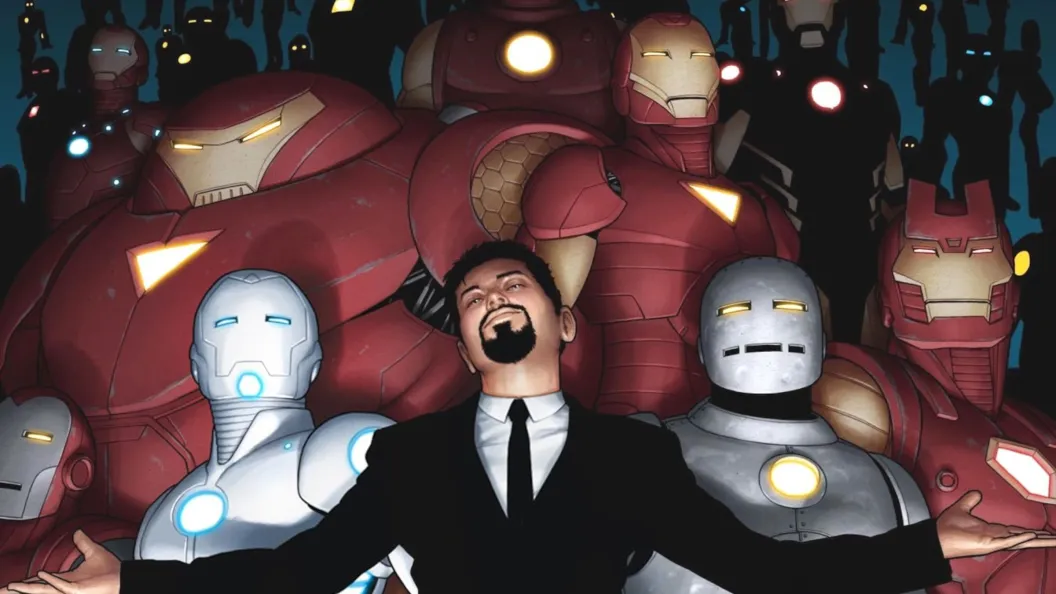
One of the five factors that made Iron Man a legend is his relentless innovation. Tony Stark constantly upgrades his Iron Man armors, keeping them at the bleeding edge of technology. This innovation has been a hallmark of the character, allowing him to battle the most powerful enemies in comics. Unlike many superhero stories, which often rely on nostalgia, Iron Man's character is defined by his ability to constantly evolve and introduce new tech solutions.
The article emphasizes that Stark's restless mind is always seeking new ideas, making him a character who thrives in a world where innovation is often overlooked.
The Doctor Doom Rivalry
Another key factor is Iron Man's complex relationship with Doctor Doom. While Doom is famously known for his rivalry with Reed Richards, his relationship with Stark is described as more nuanced and interesting. The article states that Doom sees Stark as a kindred spirit, sharing a mutual respect that contrasts with his more childish rivalry with Reed.
This dynamic has been a point of discussion among fans, especially with Robert Downey Jr.'s casting in the MCU. ComicBook.com notes that while the film Iron Man did not feature Doctor Doom, the character's potential role in future Marvel projects has been a topic of speculation.
Witty Repartee and Character Depth
Iron Man's witty repartee has been a major factor in his enduring popularity. The article explains that while the MCU version of Stark is often characterized by his humor, the comic book character has long been known for his clever dialogue. This wit serves as both a coping mechanism for Stark's chaotic life and a key element of his character depth.
The piece highlights that fans fell in love with Tony Stark the character first and foremost, not just his physical presence or power.
The Avengers' Foundation
As the most important member of the Avengers, Iron Man played a critical role in the team's formation. He provided the group with their first base, technology, and financial support, enabling the Avengers to focus on their superhero missions without civilian concerns. The article notes that while there have been Avengers teams without him, his role as chairman of the group has remained central to the team's identity.
The Armor as a Cultural Icon
Finally, Iron Man's armor has been a defining feature of his legend. The article describes how the armor has evolved from bulky, powerful designs to sleek, high-tech iterations and even steampunk-inspired models. This variety has made the armor a cultural icon, drawing readers in and contributing significantly to Iron Man's popularity.
The "rule of cool"—the idea that something must be visually striking to attract readers—has been a key factor in Iron Man's success. His armor has consistently been the first thing readers notice, helping to drive sales and cement his status as a legend.
Why This Matters for Marvel Fans
For Marvel fans, understanding Iron Man's legacy provides context for the character's continued relevance. His evolution from a niche comic book character to a global icon demonstrates how well-crafted storytelling and character development can transcend the medium. The 2008 film Iron Man was a pivotal moment in Marvel's history, proving that a character could gain massive popularity through cinematic storytelling while still retaining his comic book roots.
The article also underscores the importance of innovation in superhero narratives. As Marvel continues to expand its universe, Iron Man's ability to adapt and evolve remains a model for future characters.
Spider-Man Comics Hit 1,000 Issues: Marvel's Longest-Running Series Celebrates Milestone
The Batman Who Laughs Wasn’t Actually Everywhere, But DC Made His Backlash Inevitable
Entertainment news
About this breakdown
PublishedNovember 24, 2026
Last updatedNovember 24, 2026
Topics coveredIron Man's Legacy: Five Factors That Cemented His Marvel LegendThe Evolution of Iron Man's PopularityInnovation as a Defining TraitThe Doctor Doom Rivalry
EpisodeBreakdown may use automated tools to assist research, drafting, and formatting. Published pages are governed by our editorial and corrections policies, and source links are shown when they are available in the article record.
Discovery source: ComicBook.com. The source identifies where the topic was discovered; EpisodeBreakdown is responsible for the commentary published on this page.
Reader response
What did you think?
Reactions and poll results are based on real reader responses. No account is required.
Weekly editorial digest
Get the next breakdown in your inbox
Choose what you follow and receive one focused email with original anime, movie, TV, ending, timeline, and character coverage.
One email a weekNo spamCancel anytime