5 Best TV Shows To Watch After House Of The Dragon (That Aren't Game Of Thrones)
Looking for captivating shows after "House of the Dragon"? Here are five must-watch recommendations from TVLine that deliver epic narratives and intrigue.
Beloved TV characters often defy death due to their immense popularity. Here's a look at five characters who were meant to die but were spared, highlighting the dynamics between audience affection and storytelling decisions.
In a fascinating revelation outlined by TVLine, several iconic television characters were originally slated to meet untimely ends but were ultimately spared due to their immense popularity. This underscores the often unpredictable relationship between creators, actors, and audiences in storytelling. The article, published on September 12, 2026, dives into five characters whose fates dramatically changed during production because of the connections they forged with viewers.
Initially supposed to be a one-season character, James Marsters’ Spike on Buffy the Vampire Slayer was set for an early exit. The character was meant to die at the hands of Angelus, who was envisioned to take on a more menacing role. However, audience adoration for Spike prompted the show's creator, Joss Whedon, to rethink his demise, ultimately elevating him to an antihero status that resonated with fans.
In Justified, Boyd Crowder, portrayed by Walton Goggins, was originally scripted to die in the pilot episode. However, after test screenings revealed the undeniable chemistry between Goggins and lead actor Timothy Olyphant, creator Graham Yost decided to keep Boyd alive. Yost recounted in an interview that both audience feedback and their striking performances led the team to alter the course of the narrative significantly.
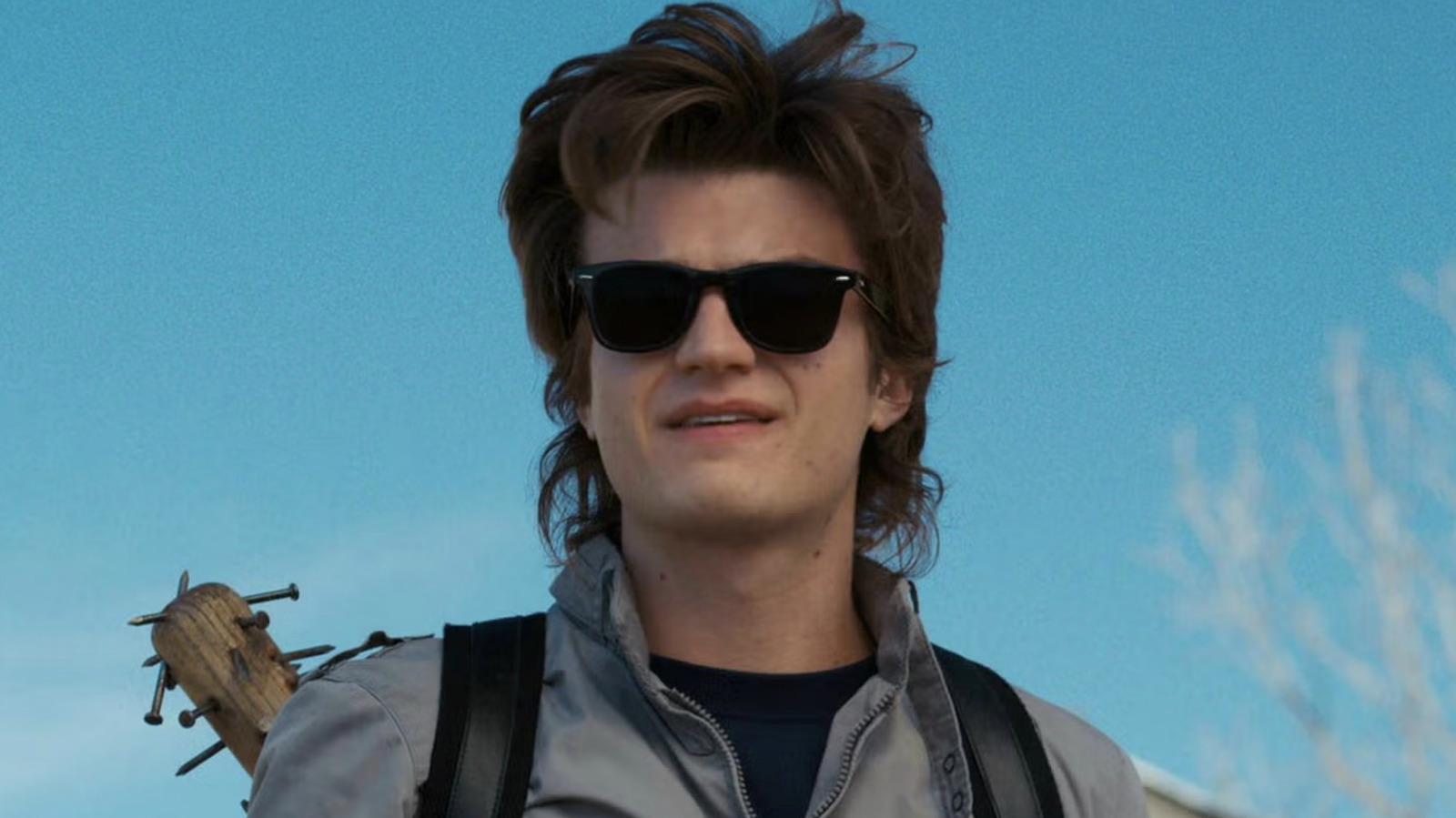
The Duffer Brothers' initial plan for Steve Harrington, played by Joe Keery in Stranger Things, involved a grisly fate at the end of its first season. As production progressed, however, Steve's character grew in popularity, warranting a second chance at life. Executive producer Shawn Levy even declared that the show wouldn’t feel the same without Steve, further emphasizing how audience reactions shaped the series.
Aaron Paul's Jesse Pinkman was also originally destined for an early exit in the critically acclaimed series Breaking Bad. Creator Vince Gilligan intended for Jesse to die at the end of the first season to fuel Walter White's guilt. However, as the series unfolded, it became clear to Gilligan that Paul's performance was central to the narrative, leading to a pivotal decision to spare Jesse over subsequent seasons.
Even though Supernatural was notorious for character deaths, Misha Collins' Castiel was slated for a permanent exit early in the series' seventh season. However, fan backlash and his popularity led to discussions about resurrecting him after significant outcry. Eventually, Castiel was brought back, returning to a regular role amid changing showrunner dynamics.
The dynamics between audience reaction and character development highlight the tension that often exists between planned narratives and real-time viewer attachments. Each character's survival not only altered the direction of their respective series but also solidified their status in pop culture. This phenomenon sheds light on the crucial role fan engagement plays in creative decisions within the entertainment industry, reminding creators that, while they wield the reins, their audience holds considerable influence.
This exploration into the journeys of these beloved characters illustrates how popularity can affect story arcs in television. The reverberating effects of audience admiration can lead creators to pivot from their original plans, resulting in deeper connections and more engaged storytelling. These examples serve as a reminder of the constantly evolving nature of television narratives, shaped by both creators and audiences alike.
Entertainment news
EpisodeBreakdown may use automated tools to assist research, drafting, and formatting. Published pages are governed by our editorial and corrections policies, and source links are shown when they are available in the article record.
Discovery source: TVLine. The source identifies where the topic was discovered; EpisodeBreakdown is responsible for the commentary published on this page.
Reader response
Reactions and poll results are based on real reader responses. No account is required.