Exploring Spider-Man: Brand New Day's Impact on Cinema
Analyzing the themes, character dynamics, and record-breaking success of 'Spider-Man: Brand New Day'.
This analysis explores the rich and complex magic systems in foundational high fantasy books.
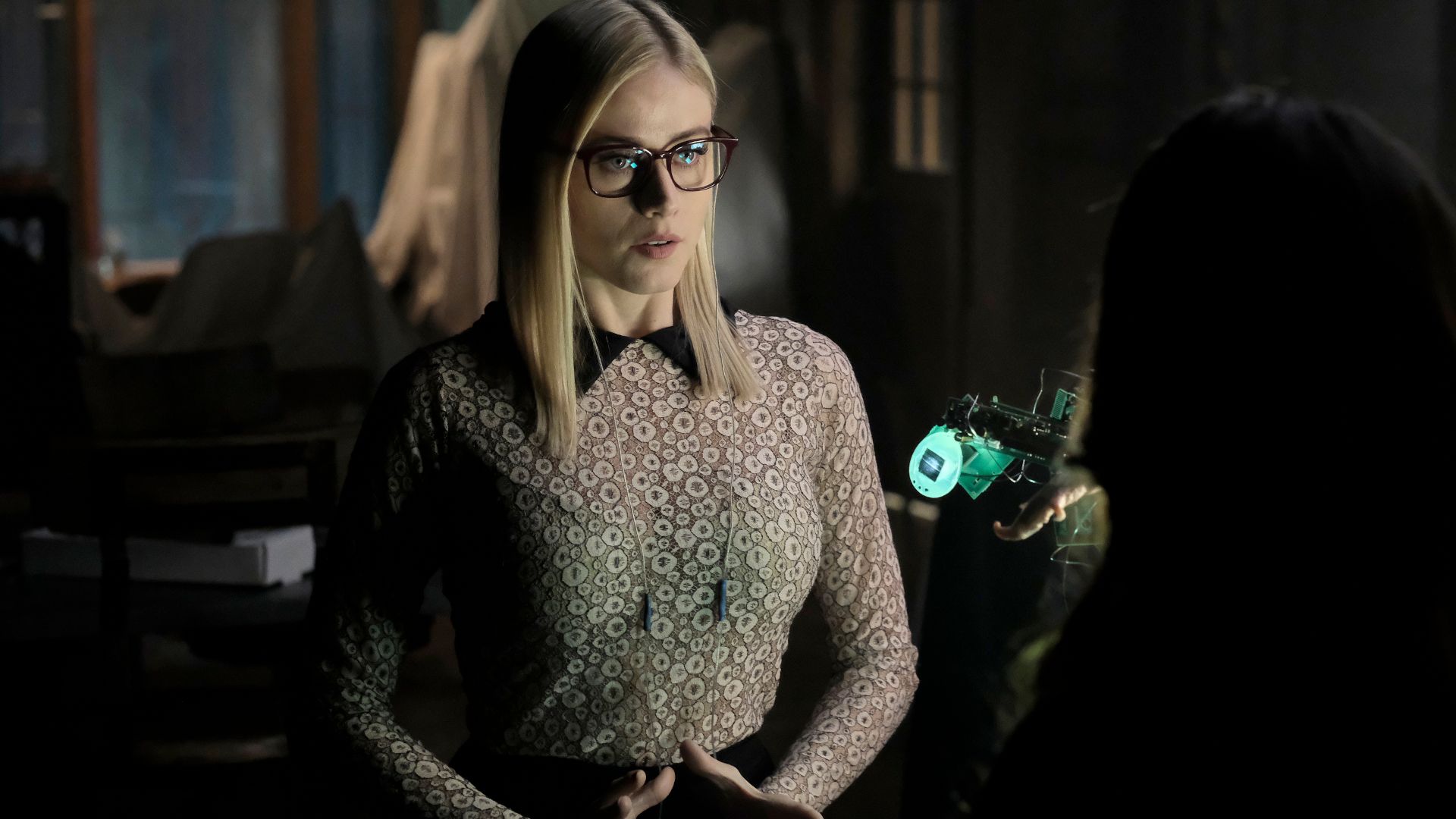
In simple terms, the central question at the heart of high fantasy literature is: How do intricate magic systems shape the stories and their characters? The answer lies in examining the unique features and underlying themes of these magical frameworks. Each system not only enhances the narrative but also acts as a catalyst for character development and moral dilemmas.
What happened is that authors like Robert Jordan in The Wheel of Time and Ursula K. Le Guin in A Wizard of Earthsea have meticulously crafted magic systems that reflect the laws, balance, and consequences of their worlds. These systems inform the characters' identities and drive the plot forward, revealing deeper philosophies embedded within the fabric of fantasy.
Robert Jordan's The Wheel of Time series introduces a duality in its magic system with Saidin and Saidar, the male and female halves of the One Power. This division highlights gender dynamics, where the feminine aspect brings nurturing light and the masculine side can induce chaos and destruction. Such a distinction raises questions about power and responsibility, as characters grapple with their abilities and the risks involved in wielding them. The confirmed events show that this setting isn’t merely a backdrop but a participant in the ongoing struggle between good and evil.
Similarly, Ursula K. Le Guin’s A Wizard of Earthsea explores the magic rooted in nature, emphasizing the importance of balance. Here, every spell comes with a consequence, reflecting a philosophy of interconnectedness between humans and their environment. Wizards must understand the ethical implications of their powers, which serves as a crucial turning point for protagonist Ged. He learns that mastery over magic involves not just skill but moral responsibility. The narrative threads this existential theme through Ged’s journey, ultimately leading him to confront the darkness within himself.
Leigh Bardugo's Shadow and Bone brings another dimension to magic through the concept of the Grisha and the Small Science. Characters are divided into groups based on their magical abilities—each with distinct limitations and strengths. As a reader, you’re drawn into a world that plays on the elemental attributes of control and influence, showcasing how characters navigate their identities while taking on societal roles within a lavish yet dangerous setting. The exploration of romance intertwined with these abilities enriches the narrative and adds layers to character motivations and their emotional arcs.
In stark contrast, R.F. Kuang's The Poppy War presents a grim portrayal where magic serves as a conduit for gods, aligning the physical toll with metaphysical consequences. The characters' relationships with the divine are fraught with moral ambiguity, illustrating the dire repercussions of wielding such power. Here, magic becomes a narrative device that amplifies the stakes of war and conflict, painting a chilling picture of sacrifice, control, and the brutality of humanity.
Brandon Sanderson’s The Stormlight Archive offers one of the most complex magic systems in modern fantasy literature. Characters navigate multiple frameworks like Surgebinding and Voidbinding—each with unique rules and connections to their world’s natural elements. This layered approach not only provides thrilling action sequences but also allows for deep philosophical inquiries about morality, purpose, and destiny.
On a different note, Kuang’s Babel introduces a magic rooted in linguistics, showcasing a unique integration of cultural themes into the framework. The concept of silver-working illustrates that intention is paramount in casting spells, making it a profound exploration of language's power to shape reality. The storyline challenges readers to consider the ethical implications of cultural exchange and the impact of imperialism, making it a thought-provoking addition to the high fantasy genre.
Samantha Shannon's The Bone Season bends traditional magic by centering it around clairvoyance, offering insights into how different facets of society respond to supernatural abilities. Here, magic also reflects societal differences and seeks to address themes of oppression and rebellion. This layered world-building makes for a gripping narrative as the protagonist, Paige, seeks not only survival but also empowerment amidst systemic control.
V.E. Schwab's A Darker Shade of Magic adds yet another flavor to the magical equation, using blood magic to enable travel across parallel worlds. The ability to manipulate elemental forces while navigating these different Londons provides a rich narrative playground for exploring identity, allegiance, and the very nature of magic itself. The character dynamics and their varied motivations align with the intricate magic system, offering a satisfying complement to the world-building.
The nuanced exploration of magic systems across these high fantasy masterpieces allows not just for escapism, but for profound inquiry into ethics, identity, and human experience. Each author constructs a unique framework that applies philosophical questions to their plots, making the characters’ journeys resonate on multiple levels. For those interested in magic that goes beyond mere tricks and shows, these works offer deep dives into what it means to wield power responsibly and the costs that come with it. This analysis isn't just for fans of high fantasy but for anyone curious about the nature of storytelling itself.
For those intrigued by these themes, check out our articles on 6 Essential Brandon Sanderson Books and The 'Mistborn' Movie Can Fix an Original Book Mistake to further explore the vast realms of fantasy literature.
Movie explanation
EpisodeBreakdown may use automated tools to assist research, drafting, and formatting. Published pages are governed by our editorial and corrections policies, and source links are shown when they are available in the article record.
Discovery source: MovieWeb. The source identifies where the topic was discovered; EpisodeBreakdown is responsible for the commentary published on this page.
Reader response
Reactions and poll results are based on real reader responses. No account is required.