Exploring Spider-Man: Brand New Day's Impact on Cinema
Analyzing the themes, character dynamics, and record-breaking success of 'Spider-Man: Brand New Day'.
Explore Vincent Pastore's impactful career, examining his roles in The Sopranos and Gotti, and how his authentic portrayal of mobsters resonated with audiences.
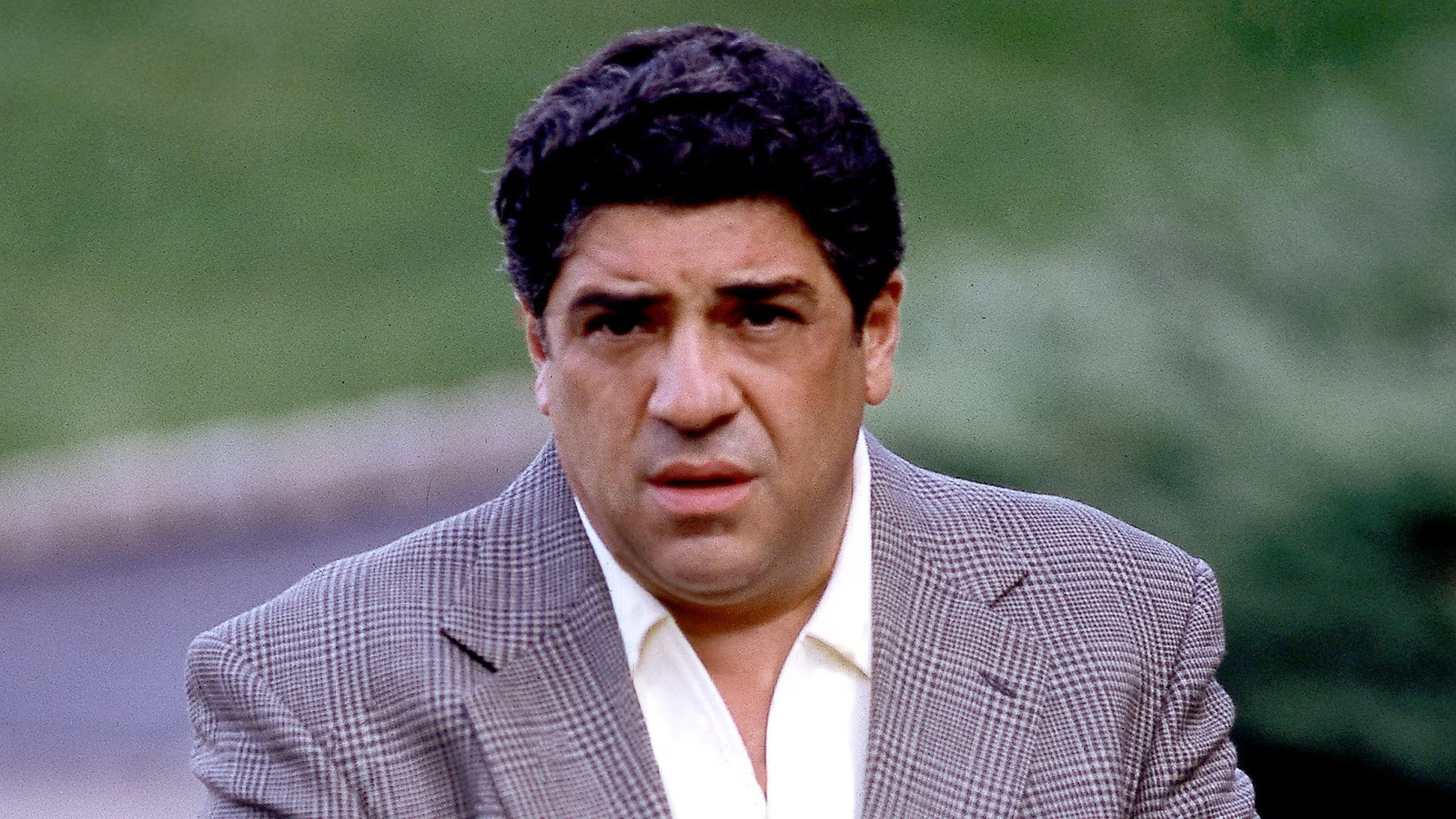
Vincent Pastore's recent passing at the age of 80 has evoked a wave of nostalgia for his memorable roles in iconic mob-themed works like The Sopranos and Gotti. What happened is that Pastore's talent for embodying complex characters captured the essence of the Italian-American experience, lending authenticity to both crime dramas. His nuanced performances make the central question of his career—how can an actor from a traditional Italian-American background portray mobsters with such depth?—seem almost rhetorical. In simple terms, Pastore carved a niche for himself as a stalwart of mob cinema, merging personal experience with character authenticity.
Vincent Pastore was born in the Bronx on July 14, 1946. His acting career began unexpectedly in his 40s, a testament to his perseverance and passion. While driving actors Matt and Kevin Dillon in a limousine, he shared his aspirations with them. This moment proved to be a turning point as the Dillons later supported his entry into acting. Initially appearing in small, background roles in films like Goodfellas and Carlito's Way, Pastore gradually transitioned to significant parts that would define his career.
Pastore's most notable early role came in 1996 when he portrayed real-life gangster Angelo Ruggiero in the TV movie Gotti. This role profoundly impacted his trajectory, positioning him as a recognizable face in the genre of New York mob dramas. His thick accent and commanding physical presence made him a fitting choice for roles that required the gravitas associated with crime figures.
David Chase, creator of The Sopranos, recognized this unique combination of characteristics and cast Pastore as Salvatore Bonpensiero, an old friend of Tony Soprano (played by James Gandolfini). Pastore's memorable performance was solidified by Sal's chilling transition from confidence to betrayal as he became an FBI informant, only to meet a tragic end in Season 2. This pivotal moment illustrates how Pastore's ability to draw from his cultural roots made his characters relatable and complex, marking a significant milestone in his career.
Pastore often noted that his portrayal of mobsters was rooted in authenticity rather than life experience. He stated, "To play these roles, you use your own personality and come up with a great character." Despite growing up in an Italian-American household immersed in tradition and a nearby world of loan sharks, Pastore consistently clarified that he was not part of the mafia. This distinction reveals the balance he struck between personal background and performance. His character choices echoed the complexities of the Italian-American identity, making him a credible figure in an often glamorized genre.
Beyond his roles in cinema and television, Pastore maintained a deep connection to theatre. He co-founded Renegade Theatre NYC with Maureen Van Zandt, adding further layers to his artistry. This commitment to theatre demonstrated a dedication to craft often lacking in mainstream film roles. It also emphasized that his identity as an actor was multifaceted—enabling him to excel in both dramatic and comedic territories.
Vincent Pastore's death resonated deeply within the community and beyond, leading many fans and colleagues to reflect on his influence and contributions. He was not just an actor; he embodied the spirit of a generation that found its voice through stories of struggle, loyalty, and identity. The reaction to his passing revealed the connection he fostered with audiences, which stems from a place of genuine representation and relatability in his roles.
Pastore’s performances in The Sopranos and Gotti remain benchmarks for how Italian-American characters can be portrayed with nuance. His ability to navigate the fine line between authenticity and dramatization set a standard that contemporary actors continue to aspire to.
As we remember Vincent Pastore, it’s important to reflect on what his contributions mean for the entertainment industry. His performances were more than merely entertainment; they told stories that resonated with the realities of many, providing representation that was both impactful and necessary. The gangsters he portrayed on screen became deeply etched in the cultural narrative. His journey illustrates a unique career arc—one that offers aspiring actors valuable lessons about perseverance and authenticity.
Pastore's passing is a stark reminder of the passing of time in the industry, but it also instills a sense of appreciation for the artistry he brought to life. As we look back on his legacy, it serves not only to honor the man but also to inspire future generations of actors to embrace their heritage while exploring the complexities of their characters. His ability to create memorable personas that challenge stereotypes embodies the broader journey of Italian-American stories in film and television, making his contribution to the genre invaluable. Vincent Pastore may be gone, but his performances will continue to live on, encouraging reflections on identity, family, and the intricate web of choices that define not just characters, but real life itself.
Movie explanation
EpisodeBreakdown may use automated tools to assist research, drafting, and formatting. Published pages are governed by our editorial and corrections policies, and source links are shown when they are available in the article record.
Discovery source: Slashfilm. The source identifies where the topic was discovered; EpisodeBreakdown is responsible for the commentary published on this page.
Reader response
Reactions and poll results are based on real reader responses. No account is required.