test
asdasd
Discover the reasons behind the name change of Vulcan to Ni'Var in Star Trek: Discovery.
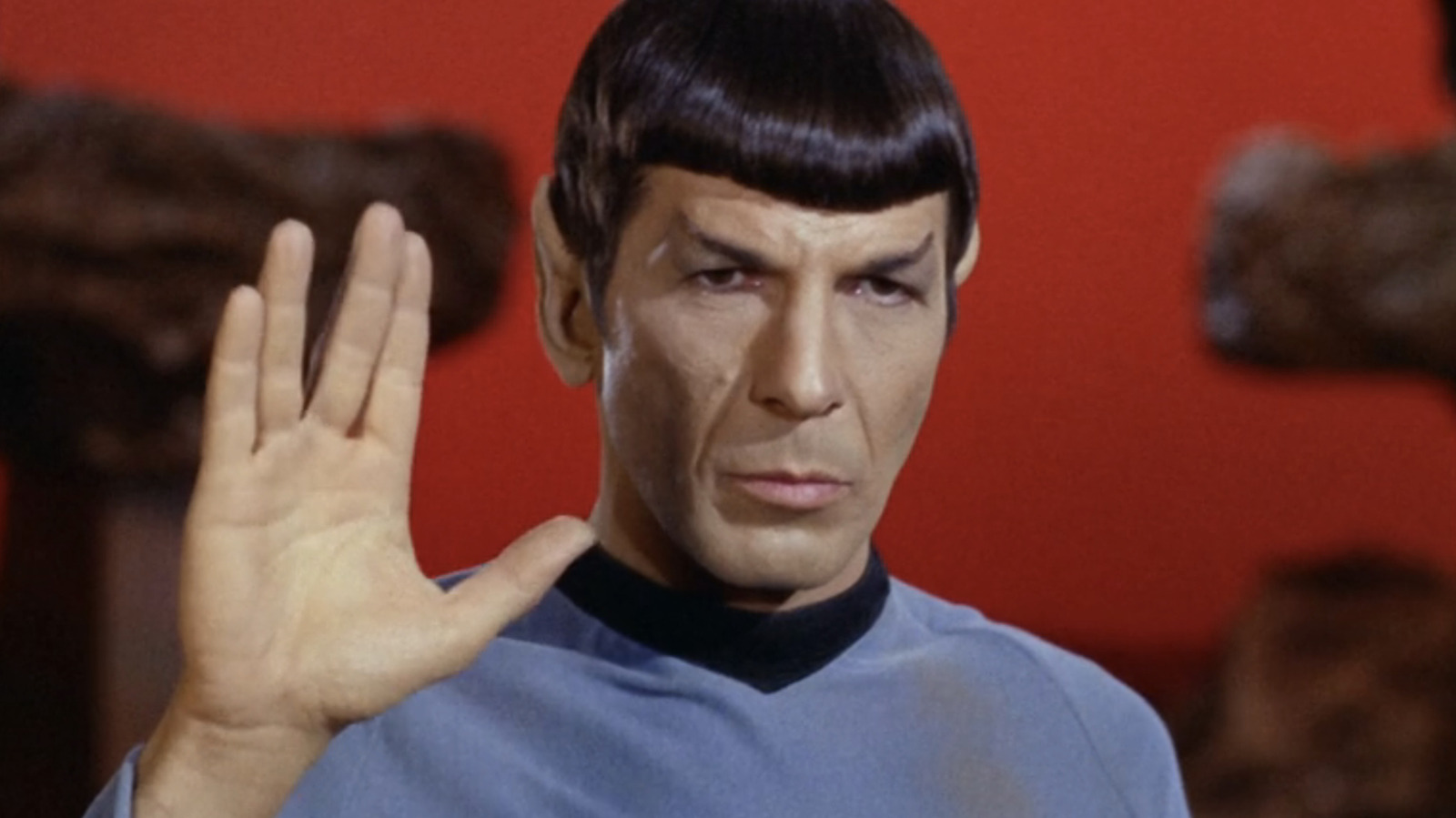
In simple terms, Vulcan, the iconic homeworld of Spock in the Star Trek universe, is now known as Ni'Var. This significant change occurs in Season 3 of Star Trek: Discovery, set in the 32nd century. The planet's renaming reflects a pivotal shift in its societal makeup; once solely inhabited by Vulcans, it has welcomed Romulans following the destruction of their own homeworld, Romulus.
To fully appreciate the name change from Vulcan to Ni'Var, one must understand the context provided in Star Trek: Discovery. The narrative is set nearly a millennium ahead, exploring the consequences of the Burn, a catastrophic event that rendered warp drives inoperable throughout the galaxy. This context further enhances the significance of Ni'Var as a symbol of unity for two historically opposing races: the Vulcans and Romulans.
Vulcan has been a staple in the Star Trek franchise since its inception, first appearing in the 1967 episode "Amok Time" of Star Trek: The Original Series. As the birthplace of one of the series’ most beloved characters, Spock, the planet has long been characterized by its logical inhabitants and unique culture. However, as the series advanced, the complexity of interstellar politics and relationships evolved, making room for this important transformation.
The Romulans have always played a crucial role in Vulcan's history, standing as both ally and adversary. The destruction of Romulus in 2387, depicted in the 2009 Star Trek movie and referenced in Star Trek: Picard, provides a backdrop for the planet's newfound identity. After losing their home, Romulans began settling on Vulcan, leading to a culturally rich blend of two species on the planet, hence the need for a new name that represents this unity: Ni'Var.
The name 'Ni'Var' is not only a new title but also a concept synonymous with the spirit of collaboration. According to Kirsten Beyer, the writer responsible for the episode introducing this change, ‘Ni'Var’ derives from a Vulcan term meaning "two forms". Originally used in a Trekkie fanzine in the late '60s, this term captured the essence of duality and the contemplation of differing perspectives, which perfectly mirrors the evolving relationship between Vulcans and Romulans. Beyer’s insights underscore how the renaming of Vulcan captures a deeper narrative about understanding and reconciliation.
Transitioning to the name Ni'Var indicates a shift in attitudes within the Star Trek universe, suggesting that past enmities can evolve into something constructive. As both races work toward mutual governance and understanding, Ni'Var embodies a hopeful vision for the future, where legacy and identity can coexist without conflict. This transformation can serve as a metaphor for contemporary societal issues, resonating with audiences seeking narratives of reconciliation and unity.
The concept of Ni'Var is not entirely new to Star Trek continuity. The term appeared previously in various contexts, such as in a short story anthology and even as a ship name in Star Trek: Enterprise's first season. This historical grounding enriches the name’s significance in its latest context, binding past and present Star Trek lore while offering new interpretations of legacy and identity.
As audiences dive deeper into the implications of Ni'Var for the future of the Star Trek narrative, they may find parallels with other aspects of interstellar exploration and societal coexistence within the franchise. Insights gained from episodes set in this time, as well as the evolution of character interactions across various series, will likely continue to inform how Vulcan and Romulan narratives are told moving forward.
The renaming of Vulcan to Ni'Var in Star Trek: Discovery showcases a remarkable evolution in a storied universe. It symbolizes a future focused on unity amid diversity, reflecting both the historical complexities of Vulcan and Romulan relations and a broader message of reconciliation that resonates in today’s world. While much remains to be explored about the implications of this change, it undoubtedly opens up avenues for rich storytelling and character development within the Star Trek franchise.
For further exploration of potential future developments within Star Trek, you may also be interested in:
Episode breakdown
EpisodeBreakdown may use automated tools to assist research, drafting, and formatting. Published pages are governed by our editorial and corrections policies, and source links are shown when they are available in the article record.
Discovery source: TVLine. The source identifies where the topic was discovered; EpisodeBreakdown is responsible for the commentary published on this page.
Reader response
Reactions and poll results are based on real reader responses. No account is required.