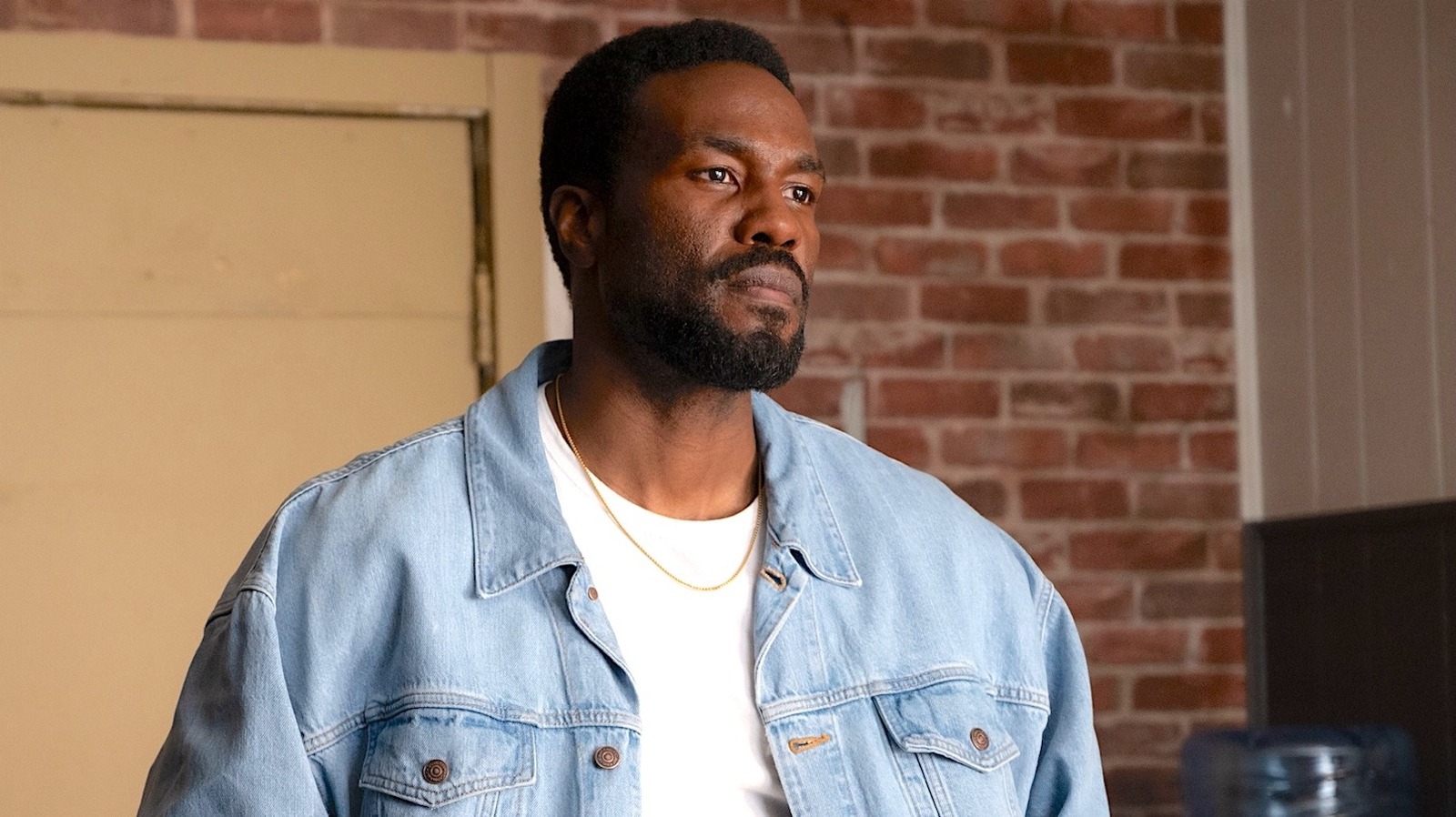
Why Did Disney+ Cancel Wonder Man After Season 1?
Disney+ has officially canceled Wonder Man despite earlier plans for a second season, raising questions about the show's future and Disney's strategy.
Noah Kahan criticized Trump's use of his song on social media, prompting a response from the White House.
Singer-songwriter Noah Kahan publicly criticized President Donald Trump's use of his song "American Cars" in a video shared on the official White House social media accounts. Kahan expressed his disapproval by commenting, "Would never approve of my music being used in support of you or this administration," under the video. This statement drew significant attention, accumulating nearly 50,000 likes shortly after posting.
In response to Kahan’s comment, Kaelan Dorr, Deputy Assistant to the President, addressed the issue on X. He referred to Kahan's viewpoint as indicative of what he termed "Trump derangement syndrome," adding an element of deflection to the administration’s response. This interaction underscores the ongoing tension between artists and political figures regarding the use of creative works.
Kahan, known for songs like "Stick Season," is currently on a global tour promoting his album, "The Great Divide." This heightened visibility places added importance on how his music is perceived and used, particularly when associated with political figures. The incident reflects a broader pattern of artists expressing discontent regarding the unauthorized use of their music by political entities. Many musicians have previously criticized Trump for similar situations, indicating a recurring issue in the intersection of music and politics.
Kahan's stance is not an isolated incident. Numerous artists, such as Bruce Springsteen and Jimmy Kimmel, have also voiced their opposition to the use of their music in political arenas. This ongoing dialogue reveals the complexities of artistic expression in a political context, emphasizing the relationship between creativity and individual values.
The situation raises questions about the legal aspects of music use in politics. While some artists have been successful in preventing their music from being used at political events, widespread access to social media music libraries complicates the matter. This highlights the need for clearer regulations on music licensing in political contexts to protect artists' rights effectively.
What this means is that Kahan's exchange with the White House signals a significant moment in discussions surrounding music and politics. As artists increasingly assert their control over how their work is utilized, audiences may push for greater respect for artistic integrity. This incident may inspire more musicians to speak out against the use of their work in contexts they oppose, setting a precedent for future interactions between artists and political figures.
For more insights on music and its political implications, check out our coverage on production assistants voting to unionize and BTS’s decision regarding the Grammys.
Entertainment news
EpisodeBreakdown may use automated tools to assist research, drafting, and formatting. Published pages are governed by our editorial and corrections policies, and source links are shown when they are available in the article record.
Discovery source: The Hollywood Reporter. The source identifies where the topic was discovered; EpisodeBreakdown is responsible for the commentary published on this page.
Reader response
Reactions and poll results are based on real reader responses. No account is required.