test
asdasd
Murphy Brown's transition to motherhood with a son transformed its narrative and offered deeper feminist themes, challenging traditional TV tropes.
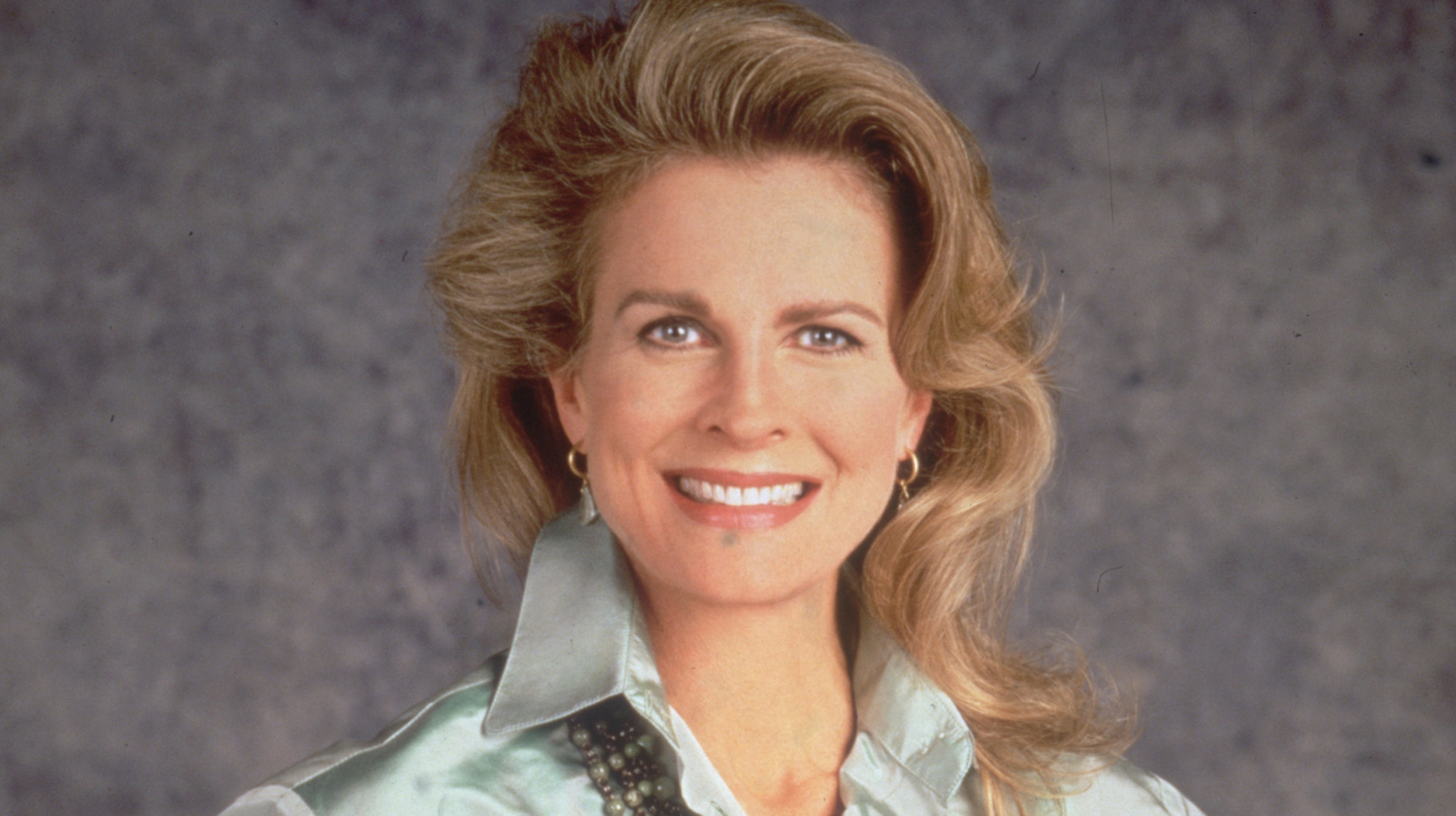
In simple terms, the decision to introduce a son as Murphy Brown's child in the series wasn't merely a plot twist; it was a deliberate narrative choice made by the creators to explore complex themes of feminism and motherhood. Murphy Brown, a trailblazing character portrayed by Candice Bergen, was already characterized as a strong, career-driven journalist. The revelation of her becoming a mother fundamentally altered her dynamic and the show's exploration of gender roles at the time.
By season four, Murphy Brown was an Emmy-winning sitcom that captured the spirit of the 90s while challenging societal expectations. The show's creator, Diane English, wanted to confront the longstanding notion that working women had to sacrifice their personal lives for their careers. Introducing motherhood, especially late in life, raised questions about how a woman could balance both.
Bergen herself mirrored this narrative arc, having had her first child at age 39. English aimed to provide Murphy with the ultimate challenge—a role that would stretch her character beyond her professional accomplishments. According to English, the choice stemmed from a desire to portray Murphy in a way that made her relatable, despite her seemingly aggressive career ambitions. “She couldn’t even keep a plant alive, nor a pet!” English pointed out, emphasizing that motherhood posed a significant new obstacle for Murphy.
The decision to make Murphy's child a boy instead of a girl was a pivotal moment for the writers. Initially, many believed a daughter would be a fitting choice, allowing Murphy to nurture a female legacy. However, the team recognized that giving her a son—the more challenging gender—landed a powerful twist. As writer Korby Siamis noted, a boy would indeed present unexpected obstacles for a character committed to feminist ideals. This decision transformed the narrative, forcing Murphy to confront her preconceived notions about gender and parenting.
In creating a son named Avery, after Diane English's mother, the show propelled Murphy into new thematic territories. Avery’s presence fundamentally shifted the dynamics not only in Murphy’s life but throughout the show's narrative arc, impacting every episode in ways both subtle and overt.
While the introduction of a son created rich narrative possibilities, it also generated mixed reactions from fans. As the storyline unfolded, audiences were left to grapple with the morality of Murphy’s pregnancy as a single woman. Siamis expressed her concern about potential backlash, contemplating how some viewers might feel alienated by this change when they had chosen not to have children themselves. This duality—providing depth to Murphy's character while possibly alienating a segment of the audience—reminded viewers that motherhood isn't a one-size-fits-all journey.
Moreover, fans who had closely followed Murphy's intense career trajectory might have felt conflicted at seeing her take on a motherly role. The juxtaposition straddled both celebratory and contentious perspectives on feminist identities, making it a conversation starter in both media and personal discussions.
The legacy of Avery Brown remained influential, extending even into the 2018 revival of Murphy Brown. Bergen returned to the character she cultivated, and the legacy of her son continued to be explored within that narrative. The fact that Avery, now a grown man, is referenced creates a continuum that emphasizes the importance of family relationships, while still addressing societal expectations surrounding gender roles.
This continuity reflects how shows can evolve with their characters over time, maintaining relevance in an ever-changing cultural landscape. The revival allowed audiences to reconnect with the profound storyline initially introduced nearly three decades earlier, showcasing how the blend of personal and professional lives can still resonate today.
In conclusion, the choice to give Murphy Brown a son had profound implications for the series, challenging both societal norms and personal expectations for female characters on television. Murphy’s evolution into motherhood has underscored the broader narrative of women balancing careers and family life—an ongoing thematic struggle that still resonates with audiences today. While the series managed to navigate these complexities, some uncertainty remains regarding how such choices will continue to influence feminist narratives in television.
For fans of Murphy Brown, the introduction of Avery may offer a nuanced look at the dynamics of motherhood and feminism, emphasizing that motherhood can coexist with a robust career. As we continue to explore works like Pachinko, which also deep dive into complex identities, it’s clear that gender and parenting themes will sink deeper roots in the fabric of storytelling.
For more insights on character development within television narratives, check out our articles on 4 Apple TV Shows That Outshine Severance and Why Apple TV’s Acclaimed Drama Deserves a Third Season.
Story breakdown
EpisodeBreakdown may use automated tools to assist research, drafting, and formatting. Published pages are governed by our editorial and corrections policies, and source links are shown when they are available in the article record.
Discovery source: TVLine. The source identifies where the topic was discovered; EpisodeBreakdown is responsible for the commentary published on this page.
Reader response
Reactions and poll results are based on real reader responses. No account is required.