test
asdasd
Season 2 of Batman: Caped Crusader provides a fascinating take on the Riddler, recasting him as a chaotic force in Gotham rather than a mere puzzle maker.
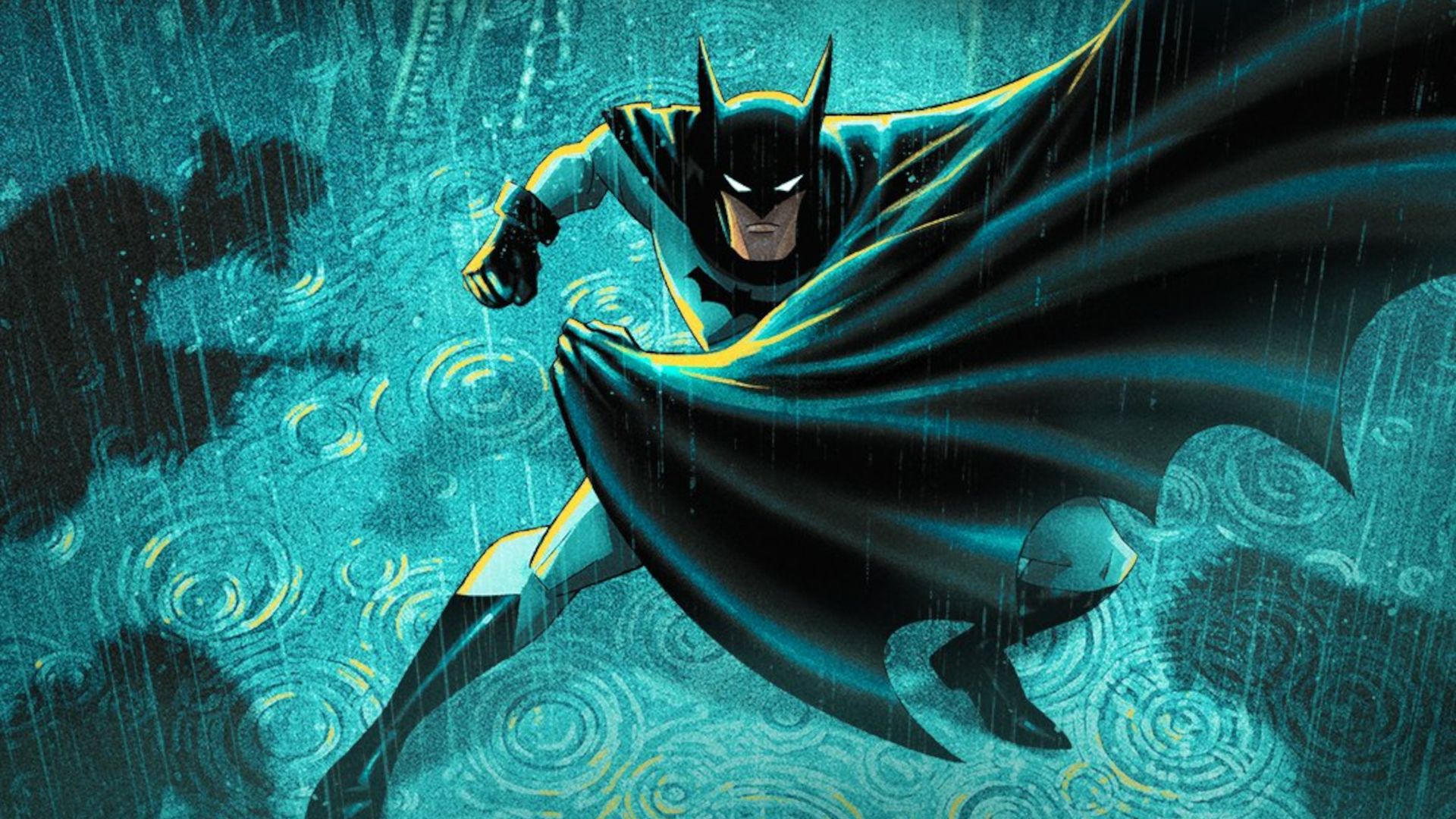
In simple terms, Matt Reeves has taken a creative leap by significantly reworking the character of the Riddler in Batman: Caped Crusader Season 2. Instead of the traditional riddle-obsessed villain, this iteration portrays Edward Nygma as a ruthless thug, redefining his motivations and actions, resulting in a more grounded yet terrifying adversary for Batman.
What happened is transformative. In this fresh approach, Nygma is depicted not as a whimsically clever antagonist but as a violent enforcer who has gained influence within Gotham’s criminal underbelly. Unlike his previous portrayals, he does not delight in leaving clues and puzzles for Batman to decipher. Instead, he is known for a more brutal tactic—using bullets rather than riddles, earning him the ironic moniker of “the Riddler.” This stark difference in characterization opens several avenues for storytelling, showcasing a chaotic, violent force at the center of Gotham’s crime.
This reimagining of the Riddler aligns with the series' overall theme of presenting familiar characters in a new light. Reeves’s Caped Crusader draws heavily on a late-1940s aesthetic, allowing classic villains to evolve in ways not previously possible. The show has successfully avoided the pitfalls of overly played tropes, giving characters like Nygma a formidable depth while reflecting the darker tones of the era. While Batman has to confront a plethora of notorious villains, no character exemplifies this fresh approach better than the Riddler, who is now a symbol of chaotic violence in Gotham.
In past depictions, the Riddler often posed a unique intellectual challenge for Batman, requiring him to outsmart the villain rather than merely overpower him. However, Season 2 positions Nygma as a more tangible and immediate threat through his violent tendencies. Batman's capacity for strategizing and analyzing goes largely ineffective against this new version—a thug willing to indiscriminately harm people for his gain. His actions symbolize a shift in how threats are recognized within Gotham, transcending the usual cerebral confrontations.
Reeves capitalizes on this brutality by utilizing a betrayal plot twist that neither Batman nor the Riddler anticipates, further underscoring Nygma's chaotic essence. With Edward Nygma now at the helm of Rupert Thorne’s crime family, his unpredictable nature makes him one of the most terrifying villains introduced in the series. In a world where crime is rampant, his character raises the stakes and forces Batman to adapt in ways he hasn’t before. Furthermore, this portrayal transforms relationships between various Gotham rogues, as other characters also find themselves reshaped by Nygma’s ruthless ambition.
Despite the Riddler's dark reimagining, Batman: Caped Crusader keeps track of its roots and influences. The show complements the new origins of its characters by borrowing storytelling elements from earlier animated series while ensuring that each character feels distinct. Other characters such as Harley Quinn and the Penguin are similarly updated, creating a robust array of new narratives tied together by a coherent thematic thread.
The interaction of these revived characters with the Riddler's new persona enriches the overall narrative landscape of the show. Alongside this reworking of the Riddler, the presence of a new Joker in Season 2 offers an additional layer of complexity and conflict. However, the Riddler remains the standout for his brutal methods and dramatic shifts from previous iterations.
This season’s exploration of Nygma's character dovetails neatly into other intriguing narratives within Caped Crusader. The introduction of characters like the Mad Monk emphasizes the show's eclectic mix of reimagined figures from Batman lore, reflecting on societal issues as much as it does on personal psychoses. Additionally, the back-and-forth dynamics between these powerful villains make for a rich, layered storyline.
For further explorations into character transformations in the series, consider reading about the Mad Monk or check how other familiar figures also undergo radical changes in this new narrative landscape.
In summary, Reeves’s reworking of the Riddler not only challenges long-standing narratives surrounding the character but also symbolizes a broader approach to storytelling in Batman: Caped Crusader. The choice to depict Nygma as a morally ambiguous figure bespeaks a mature exploration of villainy and consequences, unraveling the complexities that underpin Batman's world. These evolving dynamics signal a strong desire from the creators to reinvent their beloved characters while staying true to the essence of their darker, more complex roots. As the season unfolds, it will be intriguing to see how this portrayal continues to influence the overall narrative and the fates of Gotham's inhabitants.
Story breakdown
EpisodeBreakdown may use automated tools to assist research, drafting, and formatting. Published pages are governed by our editorial and corrections policies, and source links are shown when they are available in the article record.
Discovery source: CBR TV. The source identifies where the topic was discovered; EpisodeBreakdown is responsible for the commentary published on this page.
Reader response
Reactions and poll results are based on real reader responses. No account is required.