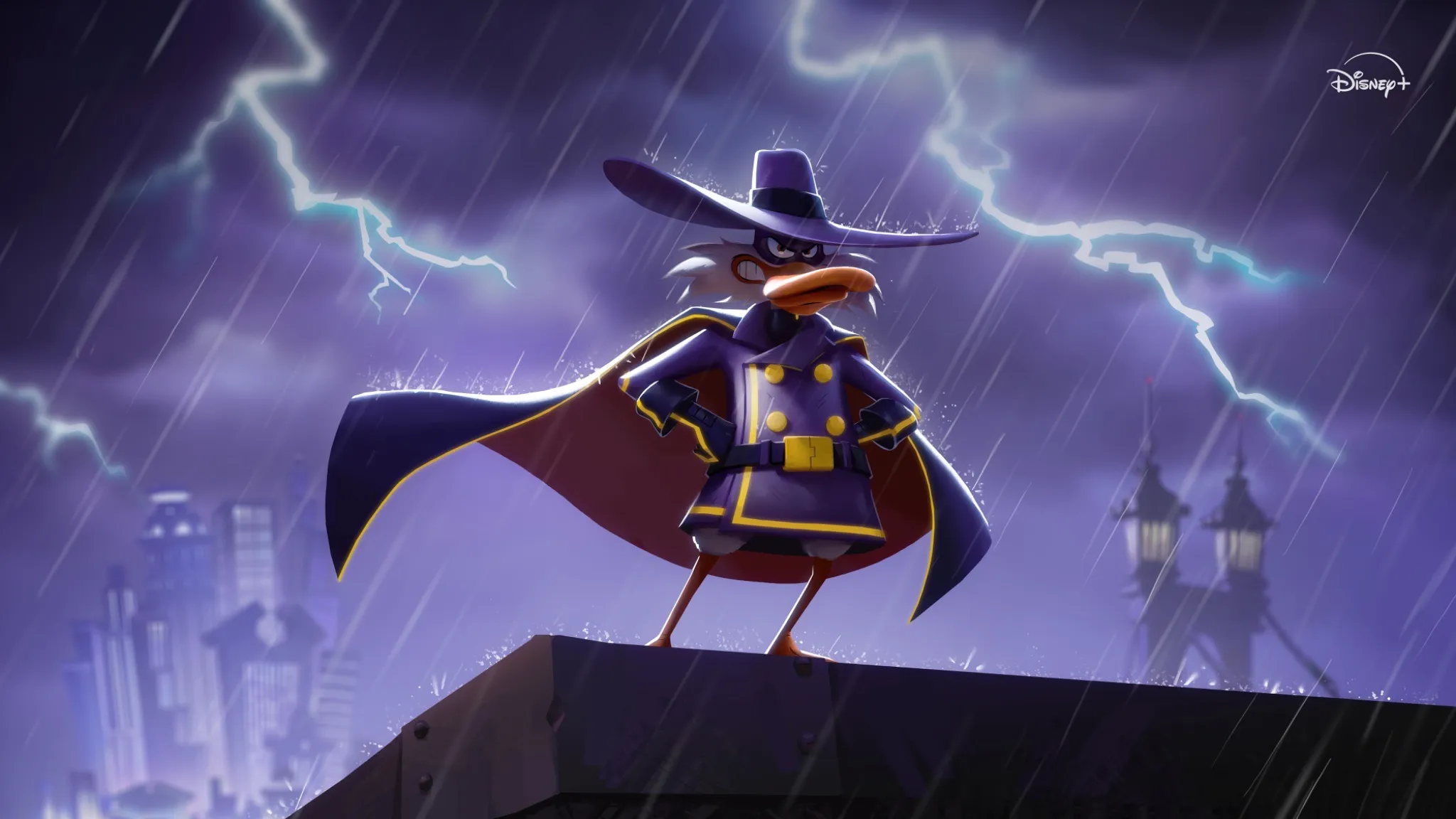
‘Darkwing Duck’ Reboot Ordered to Series at Disney+
Disney+ has officially ordered a reboot of ‘Darkwing Duck’ to series, featuring a star-studded voice cast, including Mark Hamill and Seth Rogen.
Ray Bradbury was supposed to be a significant contributor to The Twilight Zone. So why did Rod Serling choose to adapt just one of his stories?
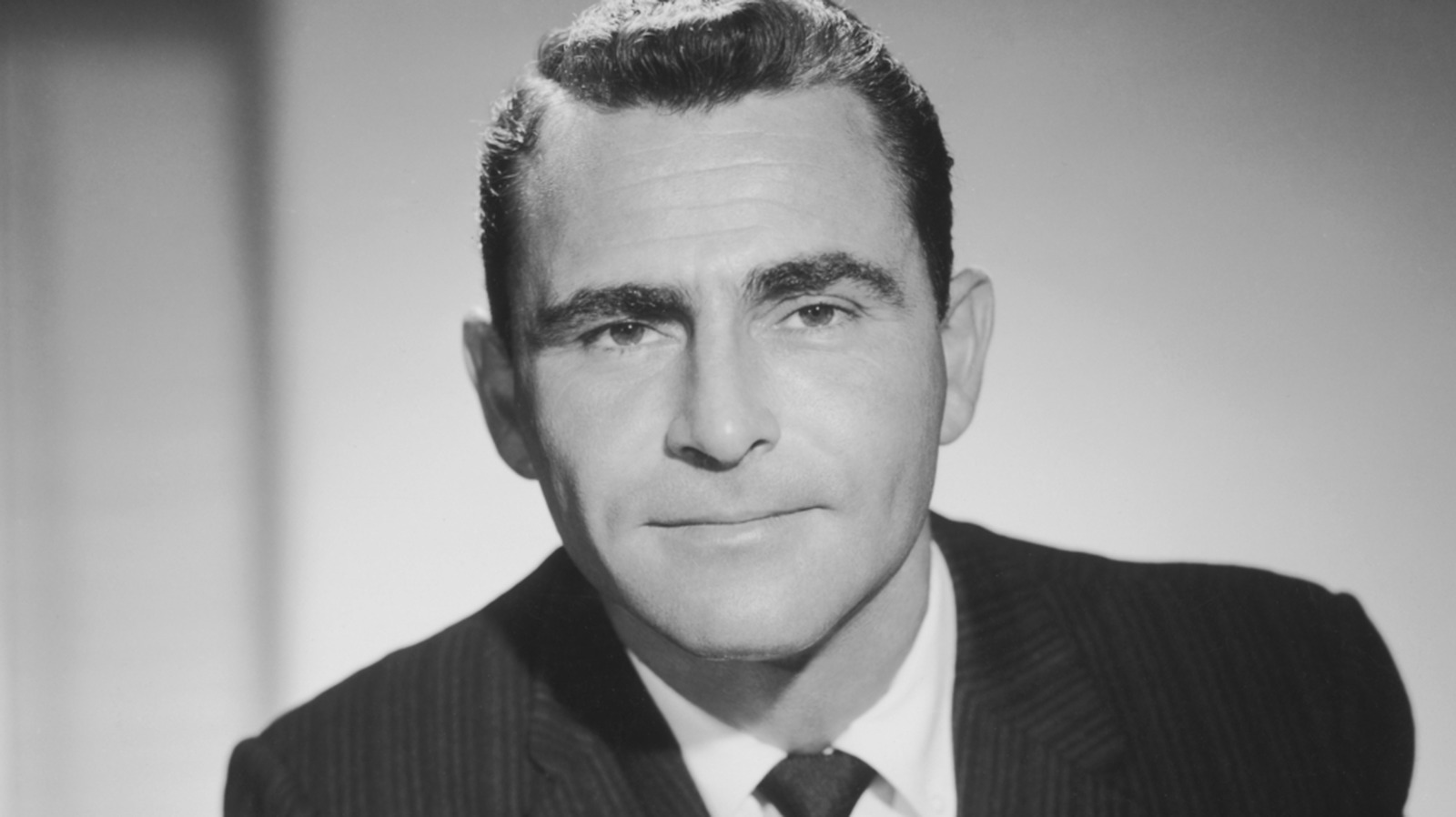
Rod Serling only adapted one story by Ray Bradbury, titled "I Sing The Body Electric," due to significant challenges in translating Bradbury's intricate and poetic writing for television. Serling believed that while Bradbury's prose was beautiful on the page, it often fell flat when spoken by characters in the context of a television show. The complexities of Bradbury's literary style made it hard to create dialogue that sounded realistic. Additionally, Serling faced financial constraints that limited the ability to execute the special effects that some of Bradbury's other stories would have required.
In The Twilight Zone Companion, it is noted that Serling articulated these concerns, stating that the lines which ignite curiosity in print may seem unrealistic when voiced aloud. As a result, the adaptation process became fraught with difficulties. Initial scripts such as "Here There Be Tygers" and an adaptation of "A Miracle of Rare Device" were ultimately discarded by Serling, solidifying the impression that Bradbury's work posed a unique challenge for episodic television. These early rejections played a role in their creative relationship, shaping Serling's approach to adaptation.
The only episode aired was "I Sing The Body Electric," which premiered in the series' third season. This story, centered on a robot grandmother caring for the children of a widower, came after a lengthy creative process characterized by various iterations and rejections. The episode's successful execution demonstrated Serling's ability to navigate complex and emotional narratives, showcasing the essence of Bradbury's themes even if done through a singular lens.
Despite the limited adaptation, Bradbury acknowledged Serling's influence on The Twilight Zone. In an interview with LA Weekly, he suggested that Serling might have unconsciously borrowed ideas from his works, pointing to instances that blurred the line between inspiration and plagiarism. While their relationship included tensions, particularly regarding the portrayal of science fiction, Bradbury expressed respect for the complexities of their creative exchanges. In one instance, he noted that Serling’s adaptations often struggled to encapsulate the depth of the genre, branding Serling as a latecomer who may not do justice to the field he was entering.
The limited nature of Bradbury's adaptation offers insight into the intricate challenges of bringing literary works to the screen. The friction and creative dysregulation between Serling and Bradbury enrich the narrative of The Twilight Zone, emphasizing the complexities of adapting celebrated literary works into a visual medium. Understanding these dynamics not only enhances appreciation for the series’ pioneering storytelling but also reflects on broader themes regarding the adaptation process for writers and creators. This exploration illustrates how the intersection of literary and screen storytelling can yield profound narratives, even amidst limitations.
Entertainment news
EpisodeBreakdown may use automated tools to assist research, drafting, and formatting. Published pages are governed by our editorial and corrections policies, and source links are shown when they are available in the article record.
Discovery source: TVLine. The source identifies where the topic was discovered; EpisodeBreakdown is responsible for the commentary published on this page.
Reader response
Reactions and poll results are based on real reader responses. No account is required.