DC's Jack Knight: The Beloved '90s Superhero Nobody Wanted to Be
Discover the story behind Jack Knight, DC's iconic '90s superhero who epitomized the era's slacker culture. Created by James Robinson, his character-driven tales captured a generation.
Dive deep into the characters of 'Willy Wonka & the Chocolate Factory' and explore their motivations and arcs.
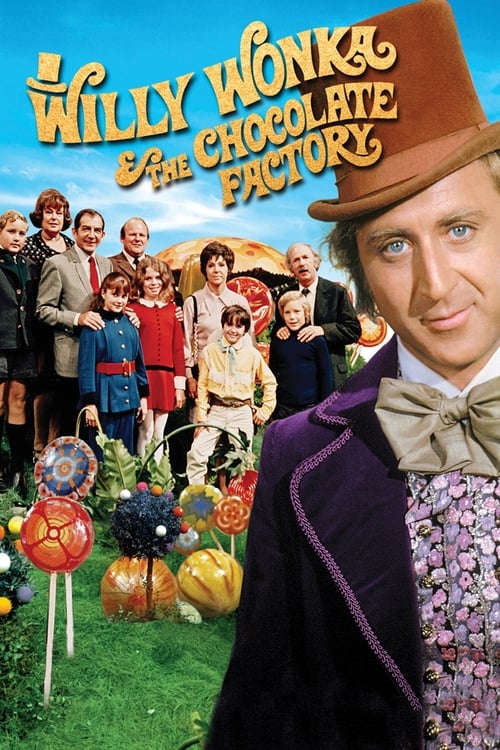
The enchanting world of "Willy Wonka & the Chocolate Factory" has captivated audiences since its release. Centered around Willy Wonka, the eccentric candy maker, and the journey of five children in pursuit of golden tickets, the film serves as a fantastical exploration of human desires, morals, and consequences. Let’s delve into the characters' motivations and the evolution they undergo throughout the story.
In this 1971 classic, Willy Wonka, portrayed by Gene Wilder, launches a contest inviting children to find golden tickets hidden in his candy bars. The reward? A lifetime supply of sweets and an exclusive tour of his magical chocolate factory. The plot unfolds primarily through the eyes of Charlie Bucket, a humble boy from a poor family, as he navigates the eccentricities and challenges presented by the other ticket holders.
At the heart of the narrative is the competition for golden tickets, symbolizing wealth and success in a consumerist society. Charlie, living in poverty with his family, serves as the moral compass of the film, contrasting sharply with the other children who, though from various backgrounds, embody greed, gluttony, and entitlement. The characters’ journeys reflect broader societal themes, making the story timeless and relevant.
Willy Wonka is as mysterious as he is charming. His whimsical nature and genius in candy making hide a deeper, almost eccentric personality. Wonka's motivations are layered; while he appears to seek delight and joy through his sweets, there’s also a quest for redemption and a desire to find a worthy heir to inherit his factory, emphasizing themes of responsibility and legacy.
The protagonist, Charlie, is portrayed as innocent, kind-hearted, and determined. His humble background motivates his quest for the golden ticket, driven not just by a wish for chocolate but by a longing for a better life for himself and his family. Charlie's character arc represents purity in contrast to the other children's selfish tendencies.
Augustus, the gluttonous child, is emblematic of excessive consumption. His insatiable appetite and disregard for moderation serve as a cautionary tale about the dangers of overindulgence, ultimately leading him to his downfall in the factory.
Veruca is spoiled and demanding, raised by wealthy parents who cater to her every desire. Her lack of discipline and excessive entitlement lead her to a consequence that mirrors her personality, illustrating the pitfalls of privilege without responsibility.
Violet is competitive and ambitious, seeking constant recognition. Her fixation with becoming the best reinforces the message of how obsession can cloud judgment. Her character arc reflects the risks of prioritizing success and accolades over humility and respect.
Lastly, Mike, the young boy obsessed with television and technology, represents a commentary on the effects of media on children. His fixation leads to a diminished appreciation for reality and genuine experiences, further emphasizing the film’s critique of modern distractions.
As the story progresses, each child’s vice leads to their respective consequences, ultimately leaving Charlie as the last one standing. His victory not only secures him a lifetime of sweets but also signifies a profound lesson about the virtues of humility, kindness, and family over greed and selfishness. Willy Wonka’s eventual choice to give Charlie the factory underscores the notion that true worth lies in character rather than wealth.
While there is no canonical continuation of this story, fans love to speculate about Charlie’s future as the new owner of the factory. Would he approach it with the same whimsical creativity as Wonka, or would he implement changes, perhaps focusing on ethical practices in candy manufacturing? The possibilities for imaginative storytelling are endless.
The enduring popularity of "Willy Wonka & the Chocolate Factory" can be attributed to its rich storytelling, memorable characters, and timeless moral lessons. New generations continue to discover this classic, fueling discussions around its themes and characters. Recent adaptations and merchandise releases have also brought renewed attention, making the film a beloved staple in pop culture.
The characters of "Willy Wonka & the Chocolate Factory" serve as more than just archetypes—they embody a range of human emotions and behaviors that resonate with audiences. Through their journeys, viewers are invited to reflect on their own motivations and the consequences of their actions. The film remains a poignant exploration of morality woven into an enchanting narrative that continues to inspire and entertain.
Q: What are the main themes of the film?
A: Major themes include the dangers of excess, the importance of family, and the value of humility.
Q: Who is the true hero of the story?
A: Charlie Bucket is often seen as the true hero, representing innocence, kindness, and moral integrity in contrast to the other children.
Q: Why do the children face consequences in the factory?
A: Their individual flaws manifest in the factory, serving as moral lessons about the effects of their vices.
Character guide
EpisodeBreakdown may use automated tools to assist research, drafting, and formatting. Published pages are governed by our editorial and corrections policies, and source links are shown when they are available in the article record.
Discovery source: TMDB. The source identifies where the topic was discovered; EpisodeBreakdown is responsible for the commentary published on this page.
Reader response
Reactions and poll results are based on real reader responses. No account is required.