test
asdasd
Dive deep into the whimsical world of Willy Wonka & the Chocolate Factory as we elucidate the film's ending and its implications.
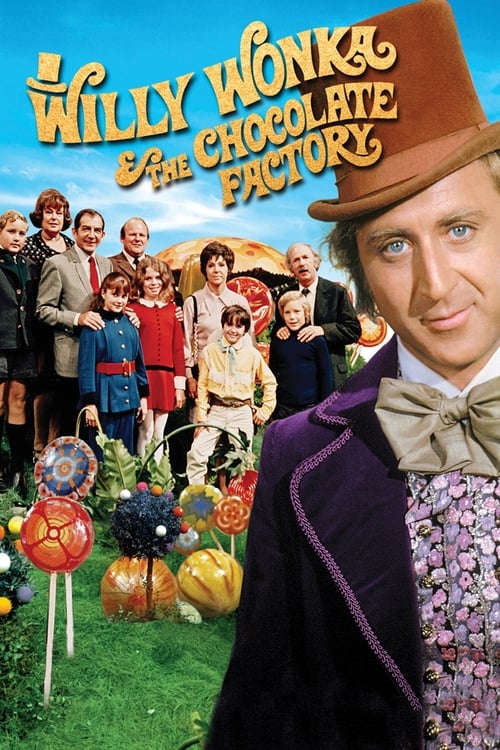
The beloved classic, "Willy Wonka & the Chocolate Factory," invites audiences into a fantastical journey where the eccentric candy maker Willy Wonka offers a once-in-a-lifetime opportunity for five lucky children. With Charlie Bucket determined to change his fate through a golden ticket, viewers are taken on a thrilling adventure dotted with moral lessons and unexpected twists. In this breakdown, we explore the conclusion of this cherished film and delve into the outcomes for each character.
At its core, this film is a blend of fantasy and moral storytelling. Charlie Bucket, a poor yet kind-hearted boy, secures a golden ticket to access Willy Wonka’s magical chocolate factory. Throughout the tour, four other children, emblematic of various flaws, are eliminated in absurd yet cautionary scenarios, leading to a dramatic finale that redefines Charlie's existence.
Released on June 30, 1971, "Willy Wonka & the Chocolate Factory" has remained a staple in cinema. The film's fantastical elements, combined with themes of greed, pride, and kindness, provide layers that resonate across generations. Willy Wonka, portrayed by Gene Wilder, is a mysterious character whose factory becomes a microcosm of life lessons, reflected in the behavior and outcomes of the children who join Charlie on his adventure.
As the factory tour progresses, we see the downfall of the four other children, each facing consequences tied to their character flaws. In a climax of despair amid fantastical chaos, Charlie emerges as the last child standing. Willy Wonka rewards Charlie not merely with chocolate but with an invitation to take over the factory, signaling a shift of legacy. This resolution not only fulfills Charlie’s dreams but also encapsulates the film’s message: integrity and kindness ultimately lead to reward, while flaws can lead to downfall.
The offbeat humor and imaginative visuals throughout the film serve to enhance its moral underpinning, delivering a powerful conclusion that emphasizes virtues over vices. Charlie’s victory symbolizes hope and redemption for those who tread the path of righteousness.
While the film concludes with Charlie inheriting the factory, it leaves audiences pondering about the future adventures and challenges that await him. The setup invites imagination about how he might run the factory, engage with the Oompa Loompas, and possibly face new rivals or unexpected situations. The rich world of Wonka's factory opens doors to endless narratives focusing on newfound responsibilities and adventures that challenge Charlie's values.
With the continued adaptation of literary classics into film and series, "Willy Wonka & the Chocolate Factory" remains relevant. Current discussions around moral storytelling resonate in today’s society, making the film's lessons about character and consequences a topic of conversation. Furthermore, the nostalgia attached to this iconic movie draws new and seasoned audiences alike, sparking interest in both the original film and potential remakes or sequels.
"Willy Wonka & the Chocolate Factory" remains a timeless classic, offering more than just entertainment. Its whimsical journey is layered with life lessons that leave a lasting imprint on viewers. The bittersweet conclusion serves as a celebration of goodness prevailing, making it a narrative that continues to resonate with audiences across the globe, decades after its premiere.
What are the main themes of Willy Wonka & the Chocolate Factory? The film explores themes such as the consequences of greed, the importance of kindness, and the pitfalls of poor character.
Is there a sequel to Willy Wonka & the Chocolate Factory? While there have been adaptations and reimaginings, the original film stands as a unique entity within its own narrative.
What makes Willy Wonka a compelling character? His complexities, blending eccentricity with wisdom, make him an incredibly engaging character, reflecting both the charms and challenges of human nature.
Movie explanation
EpisodeBreakdown may use automated tools to assist research, drafting, and formatting. Published pages are governed by our editorial and corrections policies, and source links are shown when they are available in the article record.
Discovery source: TMDB. The source identifies where the topic was discovered; EpisodeBreakdown is responsible for the commentary published on this page.
Reader response
Reactions and poll results are based on real reader responses. No account is required.