‘Paper Tiger’ and ‘Musk’ Documentary Featured at 2026 SFIFF
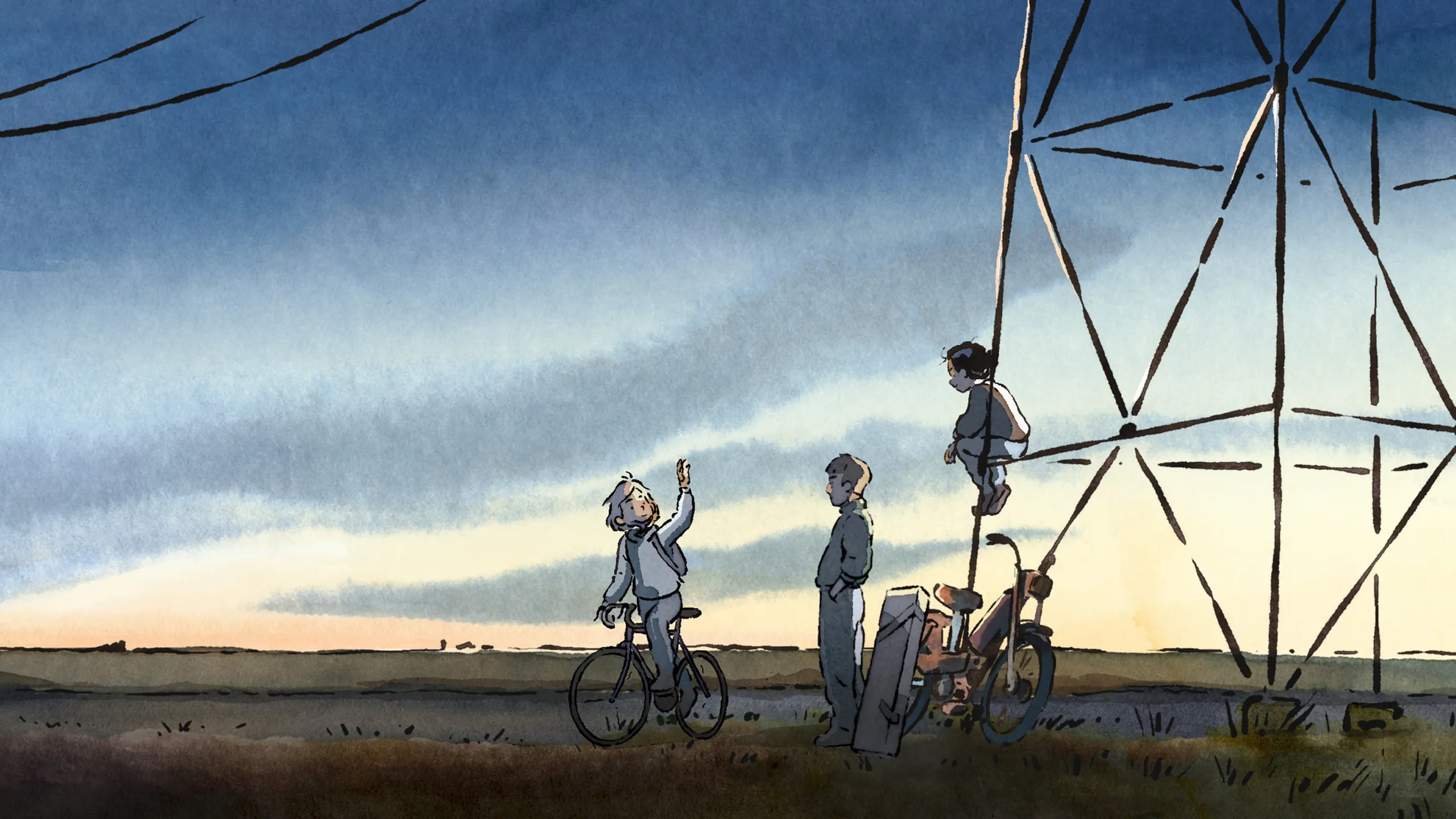
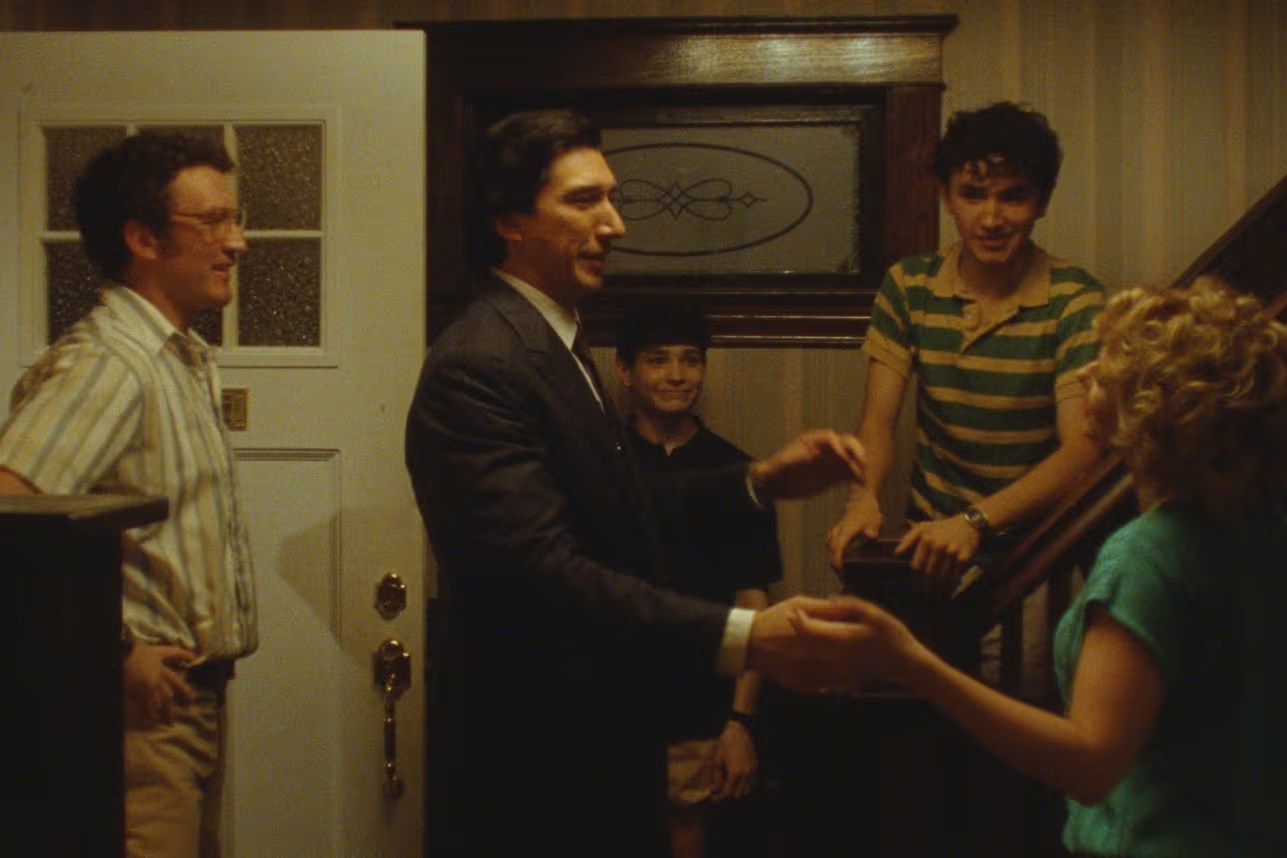
The 2026 Santa Fe International Film Festival showcases key titles including 'Paper Tiger' and 'Musk', marking an exciting lineup for this year.
Wim Wenders addressed his controversial remarks on the role of filmmakers in politics during a recent press conference at the Venice Film Festival, clarifying earlier statements from the Berlin Film Festival this year.
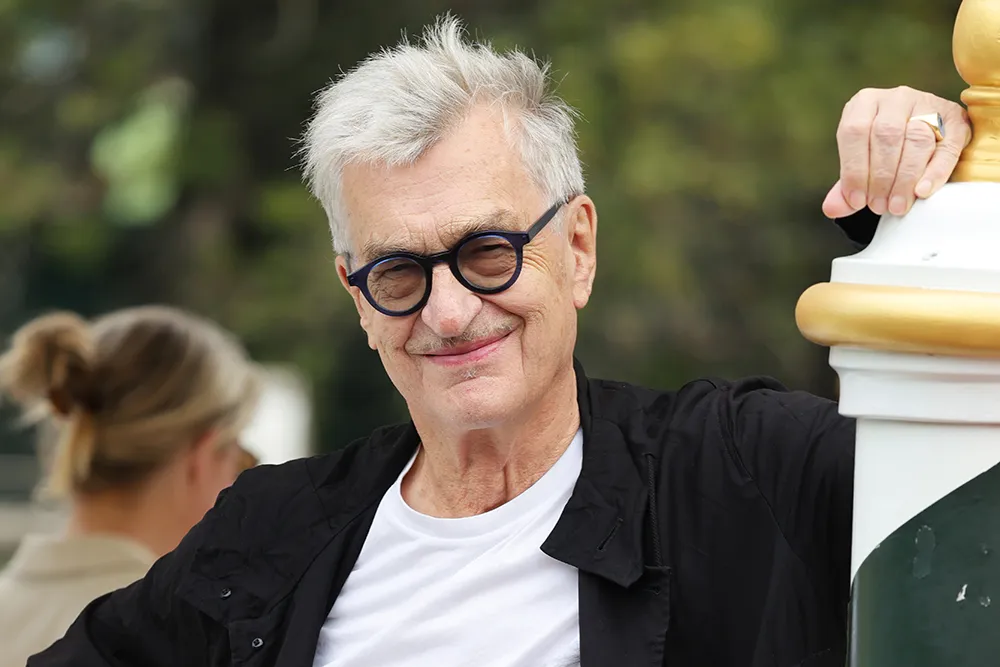
Wim Wenders, the renowned German filmmaker, clarified his controversial statements regarding the role of filmmakers in politics during a press conference at the Venice Film Festival on September 6, 2026. Earlier this year, Wenders, serving as jury president at the Berlin Film Festival, sparked significant debate after asserting that filmmakers should remain separate from political agendas. He stated, "We have to stay out of politics because if we make movies that are dedicatedly political, we enter the field of politics."
Wenders’ comments during the opening press conference at Berlinale led to immediate backlash. His assertion that filmmakers are "the opposite of politicians" and serve as "the antidote" to political influences became a focal point of discussion among festival attendees. The controversy extended beyond Wenders, as nearly every filmmaker and actor at the festival was queried about politics in relation to their work, especially concerning pressing global issues such as the ongoing conflict in Gaza and immigration policies in the U.S. The fallout was significant enough that author Arundhati Roy withdrew her participation in protest, and festival director Tricia Tuttle had to issue a statement addressing the intense discourse surrounding the topic.
During the Venice Film Festival, where he presented his documentary, From Inside Out – The Architecture of Peter Zumthor, Wenders reiterated his stance. He indicated that while his words may have been misinterpreted, his core message regarding the empathetic nature of filmmaking versus the often non-empathetic nature of politics remained unchanged. Wenders emphasized, "What I said then was, as filmmakers, we are the opposite of politicians. We have empathy. Politics work without empathy; that's all I said."
He further explained the distinction between filmmakers and politicians, asserting that the mindset with which filmmakers approach their work differs significantly from political thinking. He insisted his comments were misquoted, stating, "...I hope you're not misquoting me and say we have to stay out of politics, because we do the opposite."
Wenders' statements hold weight not only due to his stature in the film industry but also because of the larger conversation regarding the role of art in political discourse. As the global landscape evolves, many artists grapple with how to engage with political themes in their work without becoming overtly partisan. Wenders’ clarification may impact how filmmakers consider their responsibilities in addressing societal issues through their art.
As debates about the intersection of film and politics continue, Wenders' perspective may influence how emerging filmmakers approach their narratives. The discussions at both the Berlin and Venice festivals highlight the importance of understanding the role of empathy in storytelling and artistic expression.
Wim Wenders’ recent clarification regarding his stance on filmmakers and politics underlines a significant dialogue within the film community and beyond. Engaging with political issues through art could foster greater empathy among audiences while highlighting the implications of apolitical filmmaking. As conversations unfold, filmmakers may navigate the complexities of remaining true to their artistic vision while addressing pressing societal issues through their work.
Entertainment news
EpisodeBreakdown may use automated tools to assist research, drafting, and formatting. Published pages are governed by our editorial and corrections policies, and source links are shown when they are available in the article record.
Discovery source: Variety. The source identifies where the topic was discovered; EpisodeBreakdown is responsible for the commentary published on this page.
Reader response
Reactions and poll results are based on real reader responses. No account is required.