‘Paper Tiger’ and ‘Musk’ Documentary Featured at 2026 SFIFF
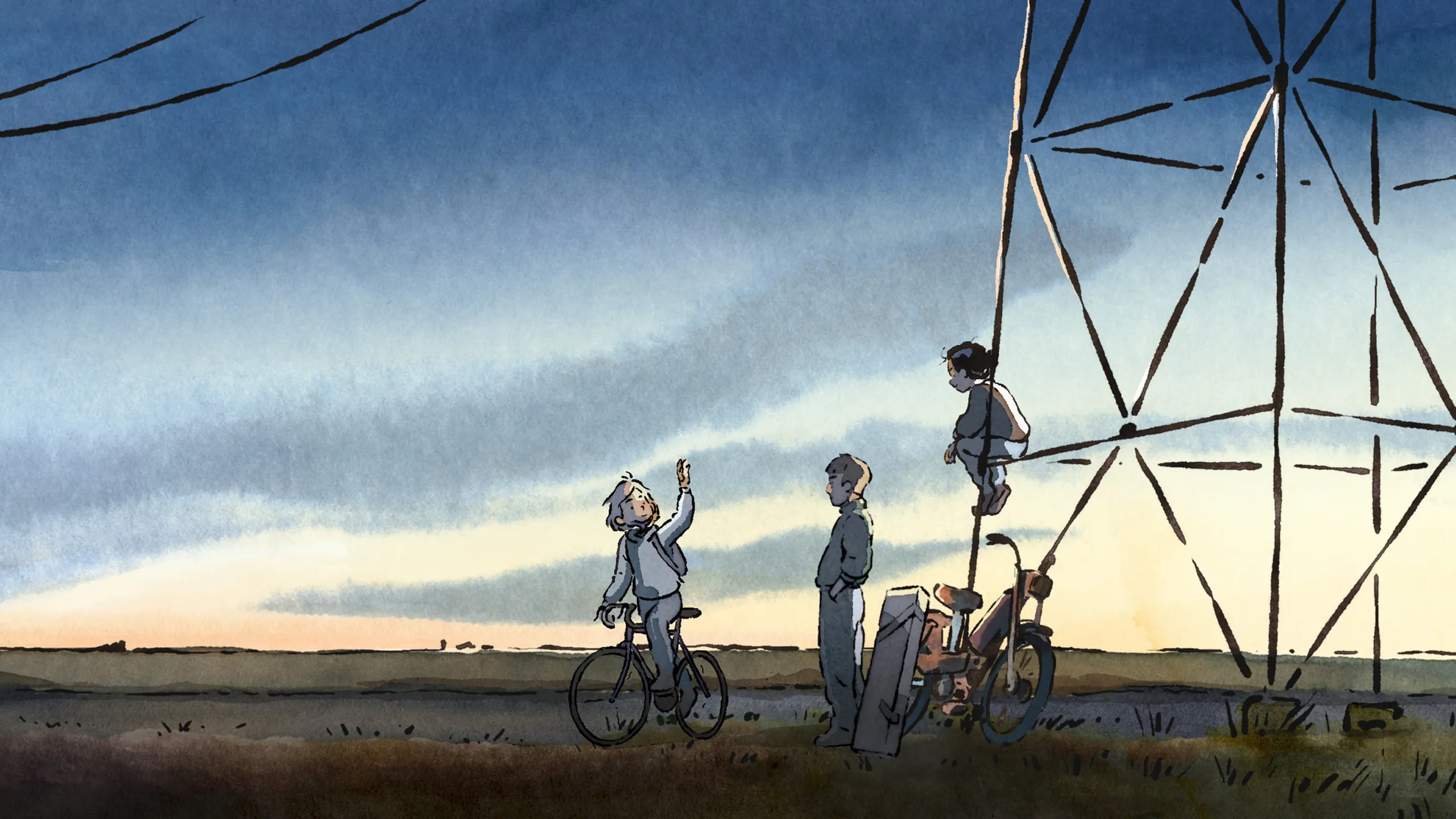
The 2026 Santa Fe International Film Festival showcases key titles including 'Paper Tiger' and 'Musk', marking an exciting lineup for this year.
Wim Wenders responds to his controversial statements about filmmakers and politics at the Venice Film Festival, clarifying his stance amidst media scrutiny.
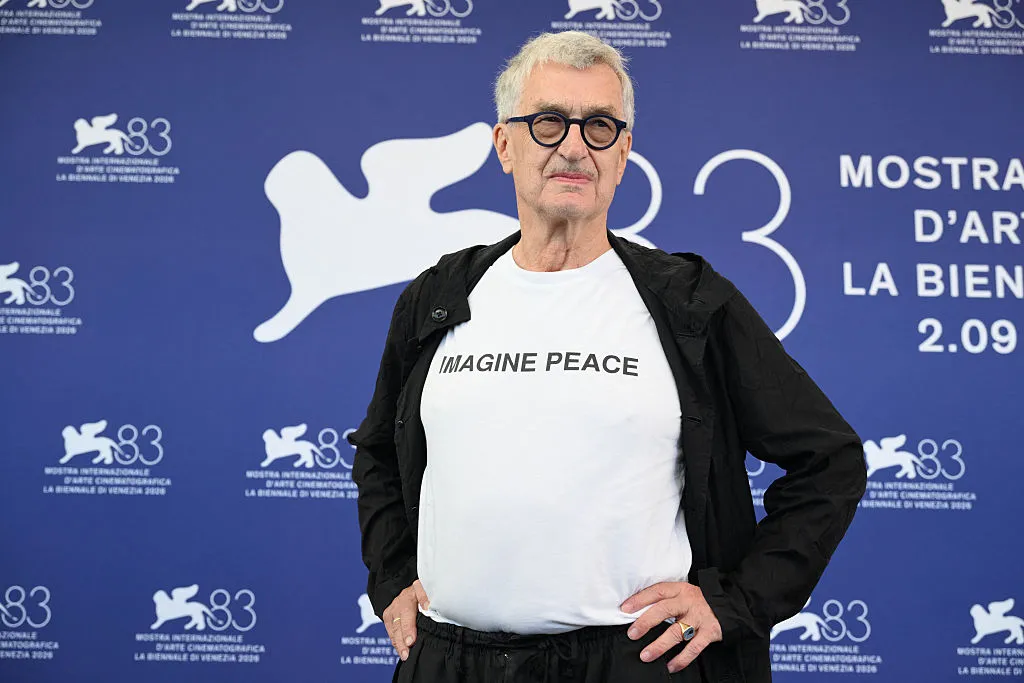
During a press conference at the Venice Film Festival, veteran filmmaker Wim Wenders discussed his earlier remarks at the Berlin Film Festival that sparked significant controversy. These comments pertained to the relationship between filmmakers and politics, where Wenders suggested that filmmakers should maintain a distance from political engagement.
At the Venice event, where he was promoting his new film From Inside Out – The Architecture of Peter Zumthor, Wenders elaborated on his previous statements. He emphasized his belief that filmmakers inherently possess empathy, contrasting their role with that of politicians, who operate without it. According to Wenders, the media misinterpreted his comments as indicating that filmmakers ought to avoid political matters entirely.
Wenders' remarks made at the Berlin Film Festival this year were perceived as controversial within the context of heightened global political tensions, specifically the ongoing war in Gaza. His statement, which implied a separation from political issues, led to a major backlash and even prompted author Arundhati Roy to withdraw from the festival in protest. Following his comments, the festival released several statements addressing the charged atmosphere that arose during the event.
Wenders remarked at the time, "We have to stay out of politics because if we make movies that are dedicatedly political, we enter the field of politics. But we are the counterweight of politics; we are the opposite of politics. We have to do the work of people, not the work of politicians." These statements ignited discussions about the responsibilities of filmmakers in relation to social and political issues, a subject that is often deeply interconnected with the art of cinema.
In his recent comments in Venice, Wenders aimed to clarify the intent behind his Berlin statements. He asserted that the film industry operates on a fundamentally different ethos than politics. He reiterated, “We work with the mindset of empathetic people, and we are into changing things.” Wenders firmly denounced the notion that he advises filmmakers to distance themselves from political discourse, suggesting instead that the role of film is to serve as a counterbalance to the nature of politics.
By readdressing his comments, Wenders attempts to reshape the narrative that developed around his original statements. He wants to reaffirm his belief that filmmakers have a crucial role in fostering empathy and providing a voice for social change, rather than simply a platform for political commentary.
The fallout from Wenders' controversial remarks at Berlin reflects a broader dialogue about the intersections of art and activism. As filmmakers increasingly grapple with the political landscapes that inform their work, Wenders’ comments raise critical questions about the responsibilities and challenges faced by artists in today’s volatile environment.
The conversation surrounding Wenders’ statements is likely to resonate with filmmakers and audiences alike, highlighting the tension between artistic expression and political engagement. As film festivals serve as platforms for both cinematic and cultural discourse, Wenders’ call for empathy over political alignment may encourage filmmakers to explore their roles in addressing pressing global issues through their art.
Wim Wenders' clarification of his Berlin comments underscores the ongoing complexities that artists face in navigating the political landscape. His remarks invite a reconsideration of how film can operate as both a medium of entertainment and a vehicle for empathy and social commentary. As Wenders continues to engage with these themes, the impact on contemporary cinema could be significant, particularly as more filmmakers seek to define their roles amid ongoing global crises.
Entertainment news
EpisodeBreakdown may use automated tools to assist research, drafting, and formatting. Published pages are governed by our editorial and corrections policies, and source links are shown when they are available in the article record.
Discovery source: Deadline. The source identifies where the topic was discovered; EpisodeBreakdown is responsible for the commentary published on this page.
Reader response
Reactions and poll results are based on real reader responses. No account is required.