Understanding the Box Office Success of 'Hadestown'
This article analyzes Bleecker Street's strategic success with 'Hadestown' through audience data-driven decisions.
Dive into the realm of cinematic catastrophes as we explore some of the most infamous movie quotes that have left audiences cringing and bewildered.
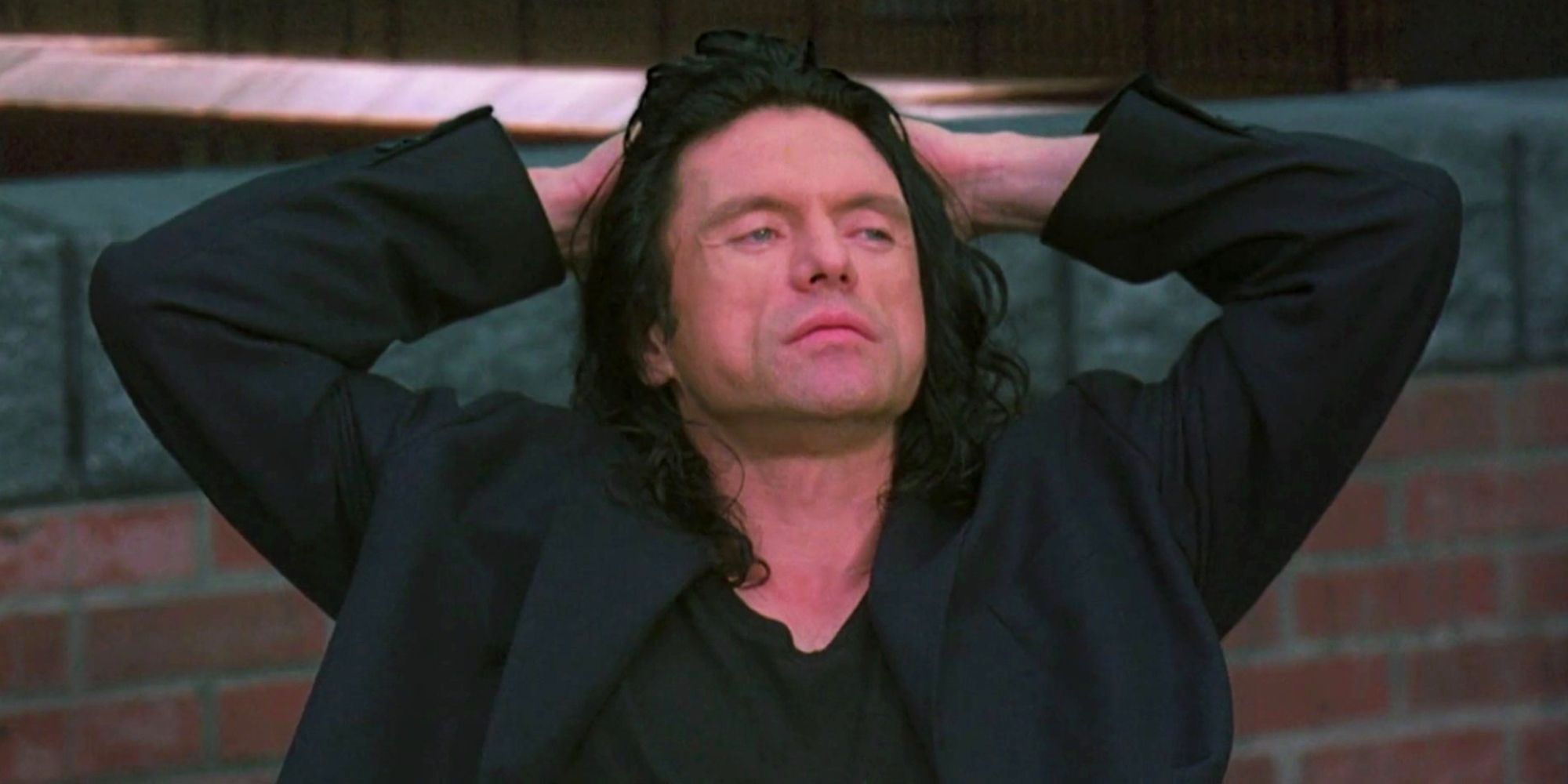
When it comes to film, memorable quotes have the power to evoke emotions, inspire, and even elevate a movie to legendary status. Conversely, some quotes are so poorly written or delivered that they become infamous for all the wrong reasons. From cult classics to box office flops, this breakdown explores some of the worst movie quotes of all time, shedding light on their origin and what makes them endure in pop culture.
This article reviews the most notorious movie quotes that have gained notoriety for their cringeworthy nature. Films like The Room, Star Wars: The Rise of Skywalker, and The Happening are highlighted as prime examples, each contributing to a collection of lines that are often repeated, quoted, and, ironically, cherished for their failures.
The concept of “worst quotes” often stems from movies that are otherwise regarded as failed productions. The Room, often labeled as the epitome of so-bad-it’s-good cinema, features numerous dialogues that have perplexed and entertained audiences alike. Lines like “You’re tearing me apart, Lisa!” represent a passionate delivery, but the context and script have made such moments infamous rather than legendary. Similarly, Star Wars: The Rise of Skywalker, despite being part of a beloved franchise, introduced lines that many fans felt detracted from the emotional depth traditionally associated with the series.
In The Happening, the environmental thriller directed by M. Night Shyamalan, lines that were meant to heighten tension often fell flat, causing viewers to laugh instead of cringe. The absurdity of wind as an antagonist was encapsulated in dialogue that promptly became fodder for comedic reviews across various platforms. This dissonance between intention and execution highlights how certain lines can transition from serious attempts at dialogue to laughing stocks in the film community.
While the focus here is not just on characters, it’s essential to discuss the contexts in which these poorly-phrased quotes are delivered. Each movie typically features a cast trying to navigate through convoluted scripts, misguided storytelling, and occasionally, their inept performances.
In The Room, Tommy Wiseau plays Johnny, whose sincerity clashes with the bizarre dialogue he’s given. The character’s over-the-top emotional arcs juxtaposed with his delivery have solidified his position in the cinematic embarrassment hall of fame.
In contrast, the characters in Star Wars: The Rise of Skywalker, like Rey, Kylo Ren, and Finn, are drawn from an established legacy, yet the phrases they utter occasionally lack the weight expected from such iconic figures. Fans anticipated powerful quotes from these characters, only to be met with lines that fell short of expectations.
Likewise, in The Happening, the delivery by actors like Mark Wahlberg and Zooey Deschanel creates a compelling juxtaposition with the cringe-worthy dialogue about societal collapse and the mysterious force behind it. These characters become unwitting hosts to lines that are often revisited for their failure rather than their intended depth.
As we transition to conclusions, it's interesting to speculate on how these movies might have fared with different scripts. A better dialogue could have transformed characters into memorable icons rather than leaving them riddled with embarrassment.
As The Happening culminates with a perplexing resolution regarding the environmental crisis, the dialogue remains stagnant, with lines that echo through time as bad jokes rather than epic narratives. If the quotes instead reflected innovative ideas or sharp wit, audiences may have walked away with a different impression of the film.
Similarly, Star Wars: The Rise of Skywalker ends within a familiar structure, yet its lack of impactful quotes leaves a lingering disappointment for long-term fans. The films often reflect the difficulty of delivering groundbreaking inspiration through words, especially when audiences have high expectations based on decades of well-crafted dialogue. Any future endeavors in the Star Wars universe must learn from past missteps to regain the familiarity of great dialogue.
Looking ahead, it’s plausible that the industry will continue to flirt with both extraordinary quotes as well as those that miss the mark. Filmmakers can either embrace the charm of bad dialogue, turning it into a running gag (as seen in The Room), or focus on crafting memorable lines that resonate. There's a risk and reward in both approaches; a carefully designed quote can become iconic, while a failed attempt may sometimes become a cult favorite of its own.
As audiences increasingly harness the power of social media to commemorate and meme unfortunate lines, the trend suggests that “bad” quotes may achieve a life beyond the films themselves. Future movies could witness filmmakers purposely integrating lines that straddle the line between sincerity and absurdity, knowing that the internet will immortalize them, for better or worse.
The phenomenon surrounding the worst movie quotes has been a hot topic among cinema buffs, particularly as platforms like Twitter and TikTok allow users to highlight these moments further. Just the mere mention of a particular quote can ignite discussions, memes, and revisits to the original films, driving interest and fostering community interaction over shared experiences in watching these films.
Furthermore, nostalgia plays a significant role. As older films face a resurgence in popularity through streaming services, audiences are eager to relive the moments that made their favorites memorable—whether through written sentiment or hilariously bad dialogue. The trend also showcases an evolving understanding of film critique, recognizing that not all art must be perfect to resonate with audiences.
In the landscape of film, quotes either have the capability to soar or plummet. The worst movie quotes of all time serve as a testament to that duality, illustrating how poorly crafted lines or performances can carve themselves a niche in cinematic lore far removed from their intended impact. These moments may disappoint at first glance, but they unveil an almost affectionate relationship between audiences and the films they cherish, flaws and all. As we dive deeper into the world of cinema, it will be fascinating to witness how filmmakers respond to the legacy of these underwhelming yet memorable lines, aspiring to create future hits—or future cult classics.
Movie explanation
EpisodeBreakdown may use automated tools to assist research, drafting, and formatting. Published pages are governed by our editorial and corrections policies, and source links are shown when they are available in the article record.
Discovery source: Collider. The source identifies where the topic was discovered; EpisodeBreakdown is responsible for the commentary published on this page.
Reader response
Reactions and poll results are based on real reader responses. No account is required.