test
asdasd
Explore Season 2's shocking developments as it introduces a new villain who may outmatch Apocalypse and resurrects Gambit in a pivotal role.
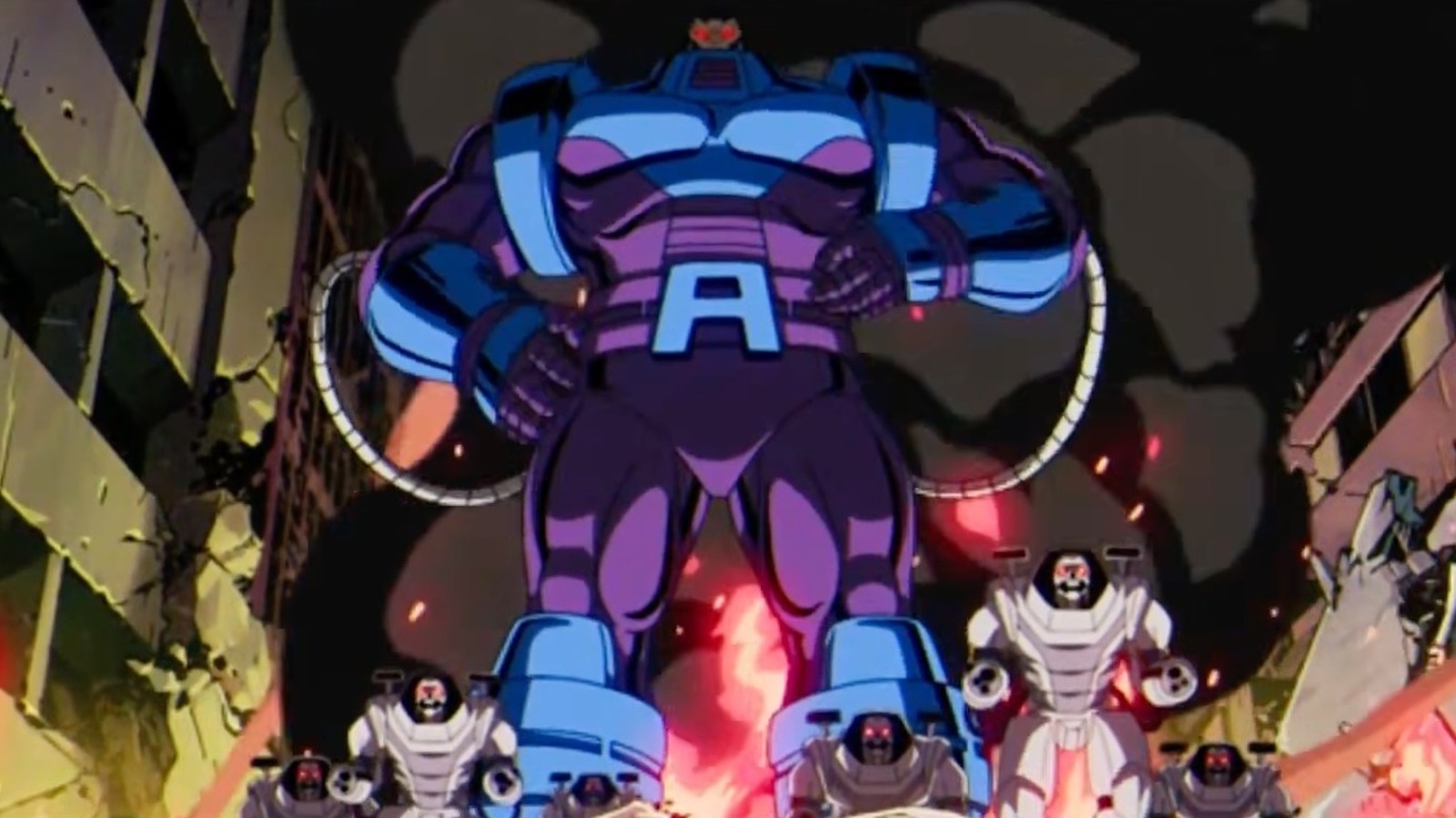
In simple terms, Season 2 of X-Men '97 has unveiled a significant new villain who appears to be even more formidable than Apocalypse. As the story unfolds, unexpected twists challenge the status quo, particularly with the resurgence of the beloved character Gambit, who has undergone a troubling transformation. This article delves into who this new antagonist could be and the implications surrounding Gambit’s metamorphosis.
What happened is Gambit, originally a fan favorite known for his charm and agility, met a tragic end in Season 1 Episode 5, titled "Remember It." However, strategic storytelling sets the stage for Remy LeBeau's revival. The events culminate in Season 2, Episode 6, where Gambit is resurrected by Apocalypse through dark, Frankenstein-like methods. This resurrection not only shifts Gambit’s role but also invokes ominous connections to his future as Apocalypse's Horseman, Death.
In the comics, Gambit’s alignment with Apocalypse came when he became a Horseman, wielding a lethal power known as the "Death Charge"—which allowed him to disintegrate living beings. This troubling transformation is evident in the animated series as well, signifying a dark fate for our returning hero.
While Gambit’s resurrection is one focal point, the shocking revelation about Apocalypse complicates matters dramatically. As explored in Season 2 Episode 7, titled "Strange Land, Savage Heart," the X-Force discovers Apocalypse in a rather grave state. Instead of the commanding, powerful figure they anticipated, they find the decayed remains of his corpse. This new development raises tantalizing questions: who truly killed Apocalypse?
The narrative hints at a deeper mystery; with Apocalypse’s technology and mutation origins, as well as his dependency on a Lazarus Chamber for survival—his eventual downfall may not be as straightforward as it seems. Did Gambit, as Death, turn against his master? Or is something even more sinister at play, involving mind transfer or manipulation?
Understanding Apocalypse’s character is essential to unraveling the suspense surrounding his mysterious demise. His origin story reveals that he is no typical mutant; Apocalypse has incorporated celestial technology, enhancing his powers but also adding layers of vulnerability. Repeatedly resting in a Lazarus Chamber underscores that even he must dodge the weaknesses that afflict all flesh.
This intertwining of advanced technology with mutant abilities provides fertile ground for future story arcs. Could it be that instead of Gambit killing him, a mind transfer occurred during the resurrection process, implying that Apocalypse still lives on within Gambit, manipulating events from the shadows?
The implications of Gambit adopting the title of Death are profound for the X-Men '97 narrative. Remy is not an upper-tier mutant like Jean Grey or Professor X; yet, his aggressive exploits leave a lasting impact. If remains tied to Apocalypse, it hints at a psychological warfare strategy wherein Apocalypse utilizes a familiar face to affect the psyche of the X-Men. This angle creates a new emotional depth and conflict as the team grapples with confronting the resurrection of someone they once regarded as a friend.
Moreover, the merchandising linked to Season 2 hints further at Gambit's pivotal role in the unfolding saga, emphasizing the intricate connection between death, rebirth, and loyalty within the X-Men universe.
The duality of Gambit’s new identity poses existential questions for both him and his allies. If Gambit faces internal struggles for autonomy against the twisted motivations of Apocalypse, it opens pathways for storytelling rife with tension and emotional stakes. Can the X-Men save Gambit from his dark fate, or will they unwittingly face a more powerful adversary than they’ve ever encountered?
This storyline’s complexity sets up a compelling battle not just against a formidable villain but also against the haunted memories of a lost friend. With this interaction, the writers seem to be making a statement about the power of friendship and rivalry, deepening the emotional consequences of the conflict.
What this means for the future of X-Men '97 is a rich tapestry of narrative threads ripe for exploration. The introduction of a potential new villain, deeper connections between Gambit and Apocalypse, and the overarching theme of sacrifice create an incredibly engaging storyline that invites both seasoned fans and newcomers alike to dive deeper into the lore of the X-Men universe. The uncertainties surrounding Gambit’s motivations and the true nature of Apocalypse’s demise ensure that viewers will remain on the edge of their seats.
For further insights into the world of X-Men '97 as well as key character arcs, be sure to check out our guides on Chicago Fire’s exit of Joe Miñoso and Robert Kirkman’s insights on Invincible Season 5. This dynamic animated series continues to evolve, and each episode brings us closer to understanding the full extent of its characters and themes.
Story breakdown
EpisodeBreakdown may use automated tools to assist research, drafting, and formatting. Published pages are governed by our editorial and corrections policies, and source links are shown when they are available in the article record.
Discovery source: Slashfilm. The source identifies where the topic was discovered; EpisodeBreakdown is responsible for the commentary published on this page.
Reader response
Reactions and poll results are based on real reader responses. No account is required.