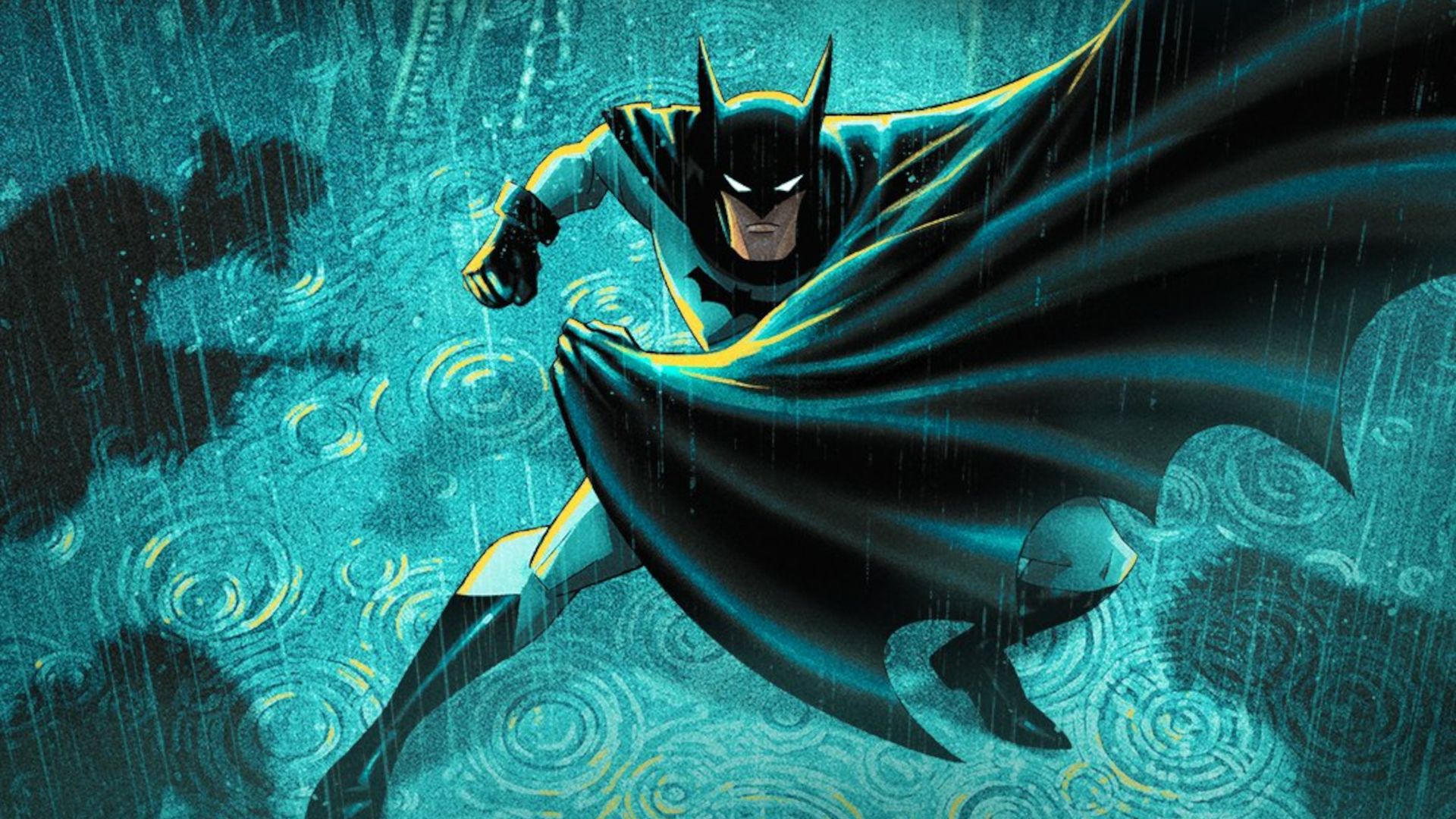
Matt Reeves’ Bold Reimagining of the Riddler in Batman: Caped Crusader
Season 2 of Batman: Caped Crusader provides a fascinating take on the Riddler, recasting him as a chaotic force in Gotham rather than a mere puzzle maker.
Delve into X-Men characters and discover their surprising alignment with the D&D chart, uncovering motivations and significance.
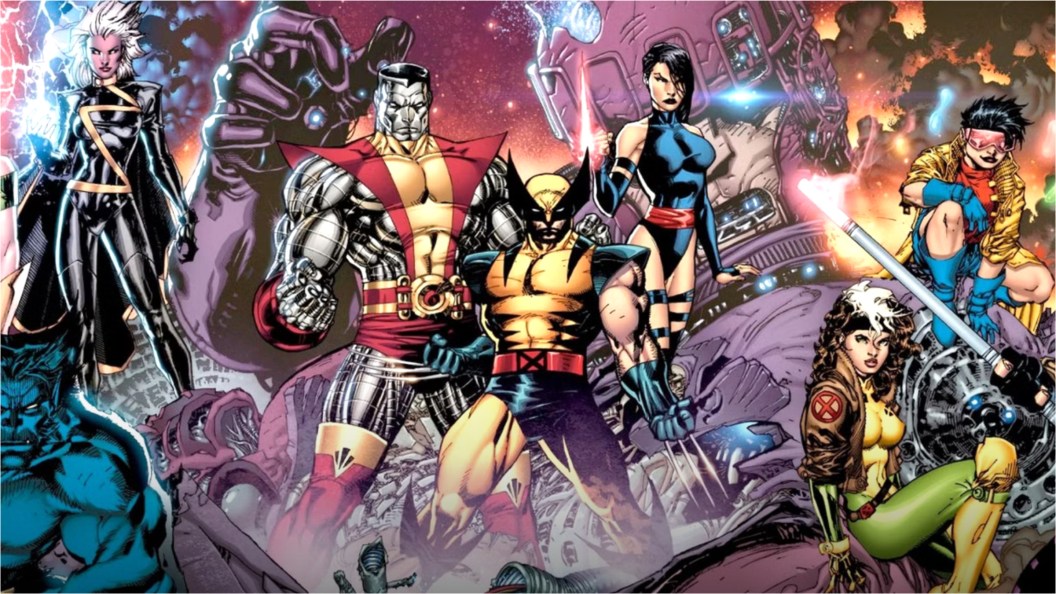
In simple terms, the relationship between X-Men characters and the D&D alignment chart reveals unique insights into their complexities. These characters operate within a spectrum of moralities, from chaotic forces to those with lawful tendencies, shedding light on their motivations and actions throughout the franchise. This article explores the intricacies of select X-Men, illustrating why their alignment matters to their character arcs and the overarching narrative.
Sabretooth, known as Victor Creed, epitomizes the chaotic evil alignment. With a traumatic past that involved his gruesome escape after his mutant powers emerged, his character is driven by an insatiable desire for violence. Unlike others who occasionally grapple with their tendencies, Sabretooth revels in chaos. His motivations are often self-serving, prioritizing the thrill of the kill over any ideological beliefs. Although he has shown occasional moments of heroism, these instances stem more from self-interest than genuine altruism, underscoring his chaotic nature.
Mister Sinister represents a more ambiguous alignment: neutral evil. This character, born from a lineage obsessed with genetic manipulation, utilizes his abilities solely for personal gain rather than a larger agenda. Sinister's fascination with mutants fuels his actions, allowing him to collaborate with both heroes and villains, provided it serves his goals. Over time, Sinister has become more chaotic, particularly during the Krakoa era, indicating a shift in his motivations. His manipulative nature and unpredictability highlight the complexity of his character, cementing his significance in the X-Men saga.
Irene Adler, or Destiny, embodies a unique form of neutrality grounded in pragmatism. Equipped with precognitive powers, she operates in a morally grey area, acting in ways that can be seen as both good and evil based on the circumstances. Her love for Mystique and her commitment to ensuring the survival of the mutant race shape her choices, often leading Destiny to take actions considered morally ambiguous. While some fans argue she should embody evil due to her willingness to collaborate with varied factions, her motivations stem from divine foresight and a deep attachment to the ones she cares about.
As the archetype of lawful good, Cyclops has undergone significant evolution throughout his tenure in the X-Men universe. Born into tragedy, his formative experiences shaped him into a disciplined leader committed to advocating for mutant rights. Cyclops often struggles with the legal implications of his decisions, particularly as his approach shifts towards a more revolutionary stance in recent storylines. His unwavering moral compass positions him as a paragon of justice, though it also places him at odds with other characters and the broader mutant cause, complicating his journey.
Wolverine, known for his ferocity and raw instincts, navigates the chaotic path of altruism. His character arc reflects struggles against a violent past that deeply influences his actions. While he often operates outside conventional moral boundaries, Wolverine's core motivation rests on protecting those he loves. His unpredictable nature can lead to unexpected outcomes in battles, making him a wild card among the X-Men. This complex interplay between his chaotic tendencies and his desire to do good significantly shapes the narratives he is part of.
What this exploration illustrates is that aligning X-Men characters with the D&D morality framework enriches our understanding of their motivations and arcs. Characters like Sabretooth and Mister Sinister exemplify the darker sides of morality, while figures like Cyclops and Wolverine serve as more virtuous figures within the complex landscape of mutant-kind. This nuanced perspective helps fans engage more deeply with the stories, reminding us that heroism and villainy often coexist in shades of grey.
For fans interested in the broader implications of character alignments, examining how these motivations play out against the backdrop of the X-Men's ongoing struggles fosters a deeper appreciation for the franchise. Delve deeper into the themes of morality and loyalty exemplified in characters like Wolverine and Cyclops, or explore the motivations of anti-heroes in other franchises like DC's iconic characters.
For further reading, check out these related articles: DC Universe Characters According to the D&D Alignment Chart and Diving Deep into Game of Thrones: The Mad King Characters.
Character guide
EpisodeBreakdown may use automated tools to assist research, drafting, and formatting. Published pages are governed by our editorial and corrections policies, and source links are shown when they are available in the article record.
Discovery source: ComicBook.com. The source identifies where the topic was discovered; EpisodeBreakdown is responsible for the commentary published on this page.
Reader response
Reactions and poll results are based on real reader responses. No account is required.