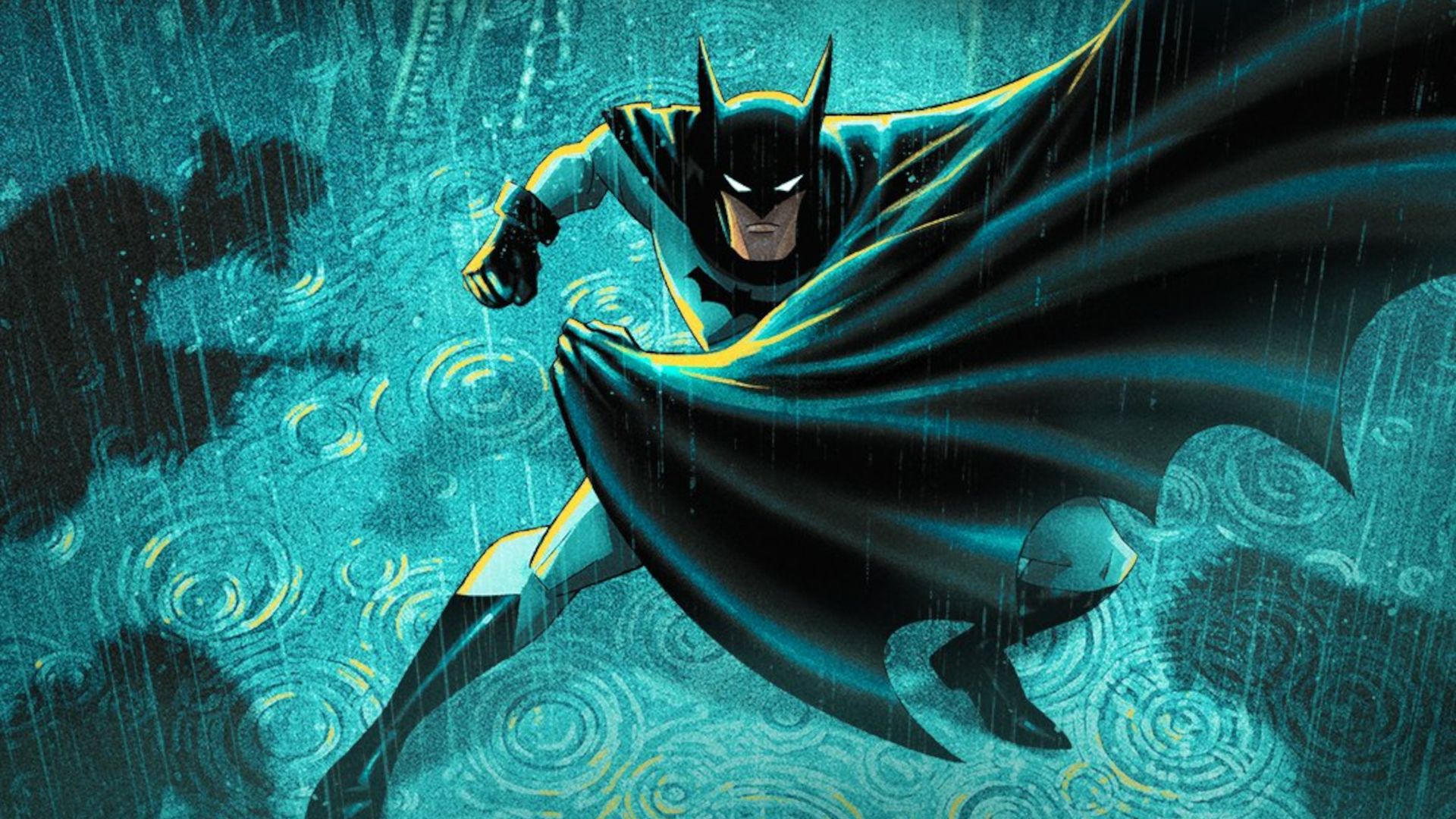
Matt Reeves’ Bold Reimagining of the Riddler in Batman: Caped Crusader
Season 2 of Batman: Caped Crusader provides a fascinating take on the Riddler, recasting him as a chaotic force in Gotham rather than a mere puzzle maker.
Explore how various X-Men characters fit into the D&D alignment chart and their significance in the larger narrative.
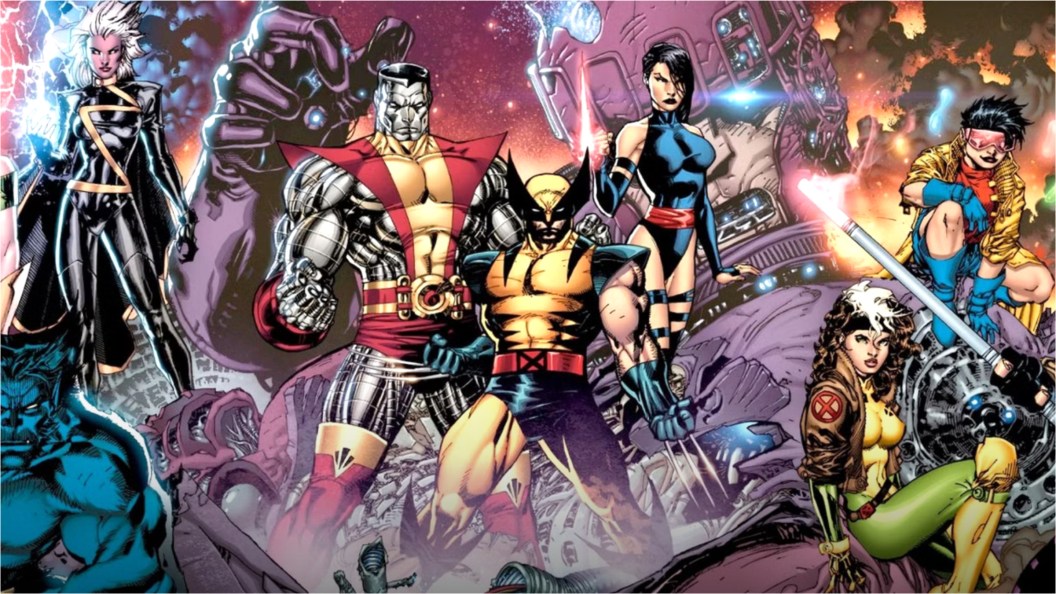
In simple terms, the X-Men characters are not only iconic superheroes but also complex figures whose moral alignments can be neatly mapped onto the Dungeons & Dragons (D&D) alignment chart. This chart, which features eight categories ranging from lawful good to chaotic evil, helps to understand each character's motivations, relationships, and moral dilemmas. Their roles in the X-Men universe reflect deeper themes of identity, acceptance, and the struggle between good and evil.
For example, Wolverine, known as Logan, embodies the chaotic good archetype. His tumultuous history, filled with tragedy and loss, has shaped him into a hero willing to confront evil with extreme measures. On the contrary, characters like Mister Sinister and Nimrod represent the darker spectrum of morality. Their actions, often devoid of empathy, challenge the heroes and create significant conflicts within the narrative.
Character motivations play an essential role in the X-Men saga. Wolverine's desire to protect his loved ones drives him to act impulsively, showcasing both his ferocity and his heart. In contrast, Mister Sinister, although often seen as a villain, operates from a place of self-interest and ambition rather than pure malevolence; he transcends the moral divides that traditional heroes and villains occupy.
In stark contrast, the Sentinels, especially the Nimrod unit, are designed solely to hunt down mutants, making them a representation of lawful evil. They serve government interests and lack personal motivations, showcasing what happens when authority is weaponized against marginalized groups.
Relationships within the X-Men universe are as complex as the characters themselves. For example, the dynamic between Wolverine and Sabretooth is multifaceted; Sabretooth often embodies chaos and brutality but has displayed moments of loyalty. This unpredictable alliance adds layers to the characters, emphasizing how they sometimes blur the lines between heroism and villainy.
Moreover, the bond between Mystique and Destiny highlights a crucial romantic connection that threads through the narrative. Destiny's precognitive powers position her as a strategic mastermind who influences not just Mystique but the entire mutant landscape, solidifying her role as a neutral force primarily concerned with the future of their people. This complexity illustrates that motivations are often intertwined with personal relationships, making the characters relatable despite their larger-than-life powers.
Many X-Men characters experience significant turning points that redefine their motivations and actions. For instance, Cyclops has evolved from a strict adherent to Xavier's dream of peaceful coexistence to a more radical leader who challenges existing norms about mutant rights and survival. His journey reflects the growing tensions within the mutant community and the need to adapt in a world where threats are ever-present.
On the other hand, Gateway’s development, though subtle, reveals a consistent, unwavering commitment to doing what is right. Starting as a reluctant ally, he evolves into a beacon of support for the X-Men. His silent demeanor contrasts sharply with his pivotal role, emphasizing that heroes can emerge in the most unexpected forms.
The moral alignments of X-Men characters contribute to significant thematic undercurrents within the franchise. Each alignment informs not only individual character arcs but also the collective struggles and battles faced by the mutant community. For example, the chaos that Wolverine brings to team dynamics often leads to important growth for other characters, showcasing how even destructive forces can lead to positive change.
Conversely, characters like Nimrod remind us of the systemic evils in the world, compelling readers to confront real-world issues regarding prejudice and intolerance. The explorations of these alignments resonate with audiences, allowing for deeper connections to the characters and the messages embedded within their stories.
The intricate moral fabric of the X-Men universe demonstrates how complex characters contribute to a richer narrative experience. By mapping these beloved characters to the D&D alignment chart, fans can find new layers of understanding in their motivations and relationships. As the X-Men continue to evolve in response to new challenges, their moral alignments remain pivotal in shaping their identities and the stories they inhabit. Exploring these themes through the lens of D&D alignment not only enhances our understanding of the characters but also reflects ongoing cultural conversations about identity, morality, and belonging.
For additional insights into the relationship between comic characters and alignment systems, readers might explore DC Universe Characters According to the D&D Alignment Chart and the thematic complexities in Game of Thrones.
Character guide
EpisodeBreakdown may use automated tools to assist research, drafting, and formatting. Published pages are governed by our editorial and corrections policies, and source links are shown when they are available in the article record.
Discovery source: ComicBook.com. The source identifies where the topic was discovered; EpisodeBreakdown is responsible for the commentary published on this page.
Reader response
Reactions and poll results are based on real reader responses. No account is required.