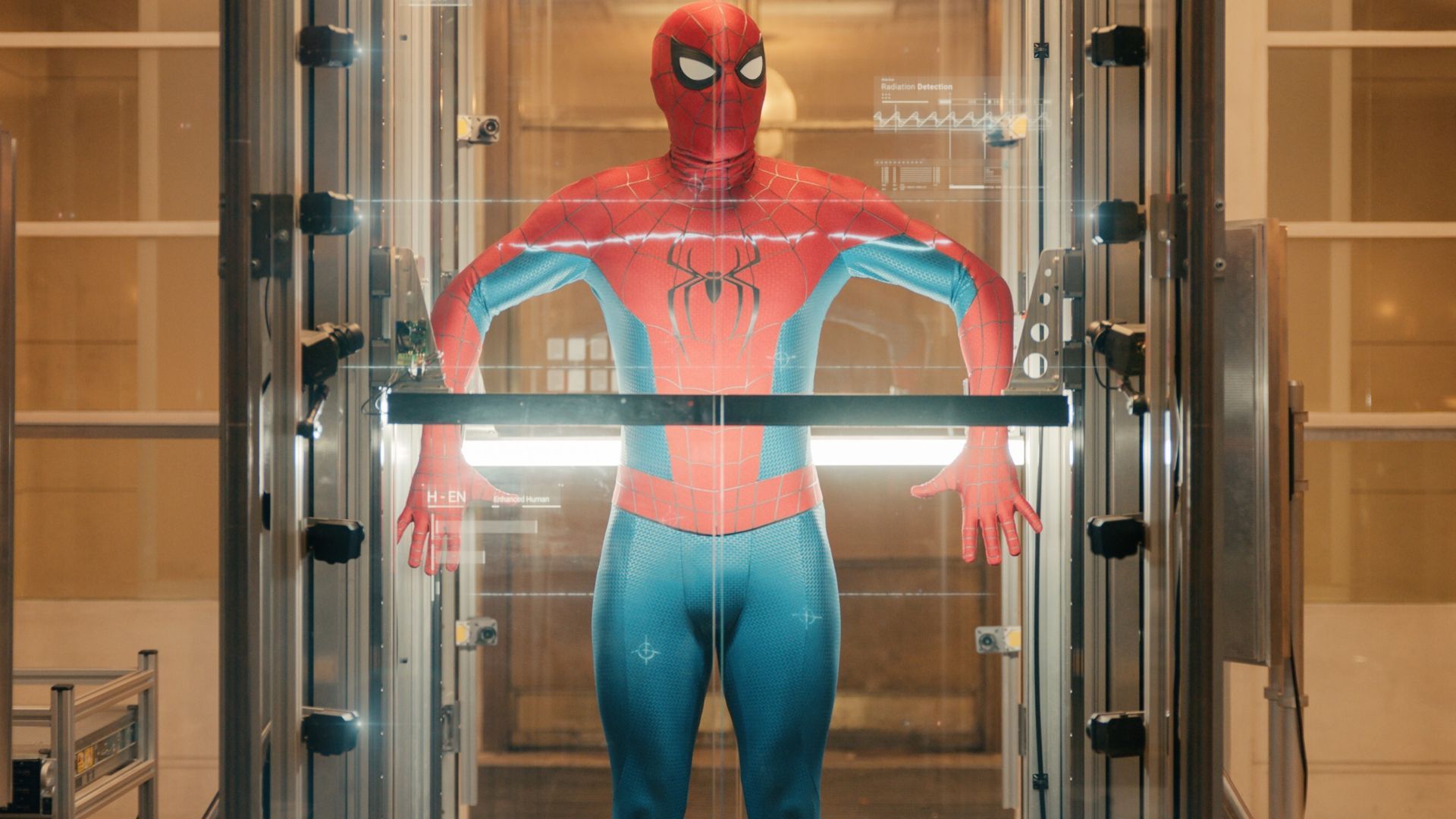
Exploring the Future of Marvel in 'Spider-Man: Brand New Day'
This analysis dives deep into 'Spider-Man: Brand New Day' and its implications for the future of the MCU, especially regarding the mutants.
Explore the themes, twists, and performances in 'The Drama', as Zendaya and Pattinson tackle love amidst chaos.

In simple terms, The Drama challenges audiences to grapple with the nature of love, trust, and identity within a crumbling relationship. The film's central question revolves around the fragility of commitment in the face of unexpected revelations. What happens is that an engaged couple, played by Zendaya and Robert Pattinson, believe their future is secured until a shocking twist disrupts their wedding week, compelling them to reassess their entire relationship.
As the story unfolds, Emma Harwood (Zendaya) and Charlie Thompson (Robert Pattinson), a couple seemingly poised for marital bliss, must confront unsettling truths. The film operates as a dark comedy, peeling back the veneer of romantic idealism to reveal deeper issues within their relationship. The marketing surrounding the film cleverly obscures these darker themes, presenting it initially as a lighthearted wedding comedy. This misdirection has led to varied audience interpretations, with some viewers frustrated by the tonal dissonance.
The movie's underlying themes of insecurity and emotional turmoil resonate strongly. Critics have pointed out how the film tackles issues of existential dread within romantic commitments, exemplified by public reaction to its controversial twist. These aspects elevate The Drama beyond a mere romantic comedy into a complex exploration of modern relationships.
The pivotal moment in The Drama occurs when the couple is confronted with the revelation that not everyone in their lives is who they seem to be. This twist serves as the catalyst for their emotional unraveling. Throughout the first half, the film builds a sense of normalcy which is then shattered, forcing both characters into a confrontation with their insecurities and doubts. The revelation acts as a metaphor for the often-hidden complexities in relationships, suggesting that what seems picture-perfect may hide deeper uncertainties and fears.
This moment is crucial as it frames the remainder of the film, transforming it into a psychological study of love under strain. It emphasizes that joy and despair often coexist, challenging characters and viewers alike to reconsider what they expect from love and partnership.
Both Zendaya and Pattinson deliver some of their most compelling performances in The Drama. Critics widely agree that they bring emotional depth to their roles, grounding the narrative despite its increasingly surreal turn. According to Julian Roman from MovieWeb, their performances imbue the film’s moral ambiguity with weight, allowing viewers to empathize with both characters, even as they grapple with their flawed decisions.
Zendaya’s portrayal of Emma captures a range of emotions, from joy and hope to confusion and despair. Similarly, Pattinson's Charlie embodies the challenges of navigating vulnerability and the fear of emotional exposure. The supporting cast, including Alana Haim and Mamoudou Athie, adds richness to the narrative, enhancing its exploration of interpersonal dynamics.
The audience response to The Drama is undeniably mixed, with a 76% rating on Rotten Tomatoes and an engaging discussion surrounding its surprising plot twists. While some viewers praise the film’s audacity in tackling uncomfortable truths, others—like critic Robert Daniels—argue it fails to fulfill its initial narrative promises. This schism highlights the film's complexity, inviting extensive discourse about how marketing shapes viewer expectations and perceptions.
Despite these varied reactions, the film has found commercial success, grossing over $132 million at the box office. Audience engagement suggests a deeper cultural resonance, particularly in discussions of relationship dynamics during turbulent times. For those intrigued by the potential discomfort in romantic narratives, The Drama invites exploration rather than dismissal.
The film concludes with a tone that invites reflection rather than resolution. The ambiguous ending encourages viewers to ponder the future of Emma and Charlie's relationship, leaving their ultimate fate open to interpretation. This choice aligns with the film's exploration of uncertainty in love—simply resolving their issues would undermine the emotional journey they've undertaken. Instead, the conclusion serves as a poignant reminder that relationships are dynamic, and while hope exists, recognizing underlying issues is essential for growth.
In essence, the ending resonates with the earlier thematic explorations, leading to a nuanced dialogue about love and commitment's complexities in contemporary society.
The Drama stands as a conversation starter, encouraging viewers to reflect on their own perceptions of love and trust. As the film streams on HBO Max, audiences can engage with its provocative themes and performances anew. It remains a testament to the risks taken by its creators and the complexity inherent in relationships. Zendaya and Pattinson’s portrayal of love amid chaos provides a rich landscape for ongoing conversation about the intricacies and challenges of modern relationships. For further interpretations and views, consider exploring other analyses like Exploring the Layers of 'The Drama': A Zendaya and Pattinson Showcase and Robert De Niro's Cop Land Returns to Streaming Today.
Movie explanation
EpisodeBreakdown may use automated tools to assist research, drafting, and formatting. Published pages are governed by our editorial and corrections policies, and source links are shown when they are available in the article record.
Discovery source: MovieWeb. The source identifies where the topic was discovered; EpisodeBreakdown is responsible for the commentary published on this page.
Reader response
Reactions and poll results are based on real reader responses. No account is required.