Mysterious Skin
10 Surprising DC Characters Who Became Lanterns
Explore the unexpected DC characters who have wielded Lantern rings, their emotional journeys, and how these arcs shape their identities within the DC Universe.
Explore the unexpected DC characters who have wielded Lantern rings, their emotional journeys, and how these arcs shape their identities within the DC Universe.
Explore the franchise
The Emotional Spectrum is central to the lore of Lanterns in the DC Universe, comprising various colors that represent different emotions. This spectrum allows a variety of characters to wield Lantern rings based on their emotional resonance. Characters can fluctuate between different colors of the Lantern Corps—each representing a unique facet of their emotional experiences.
Superman is notable for wearing multiple Lantern rings throughout DC's extensive lore. Notably, he wore a yellow ring of fear during events like Injustice: Gods Among Us, illustrating how even the most powerful heroes can be influenced by fear. He has also wielded a Green Lantern ring, embodying willpower and the courage to overcome challenges, representing his constant battle against inner turmoil.
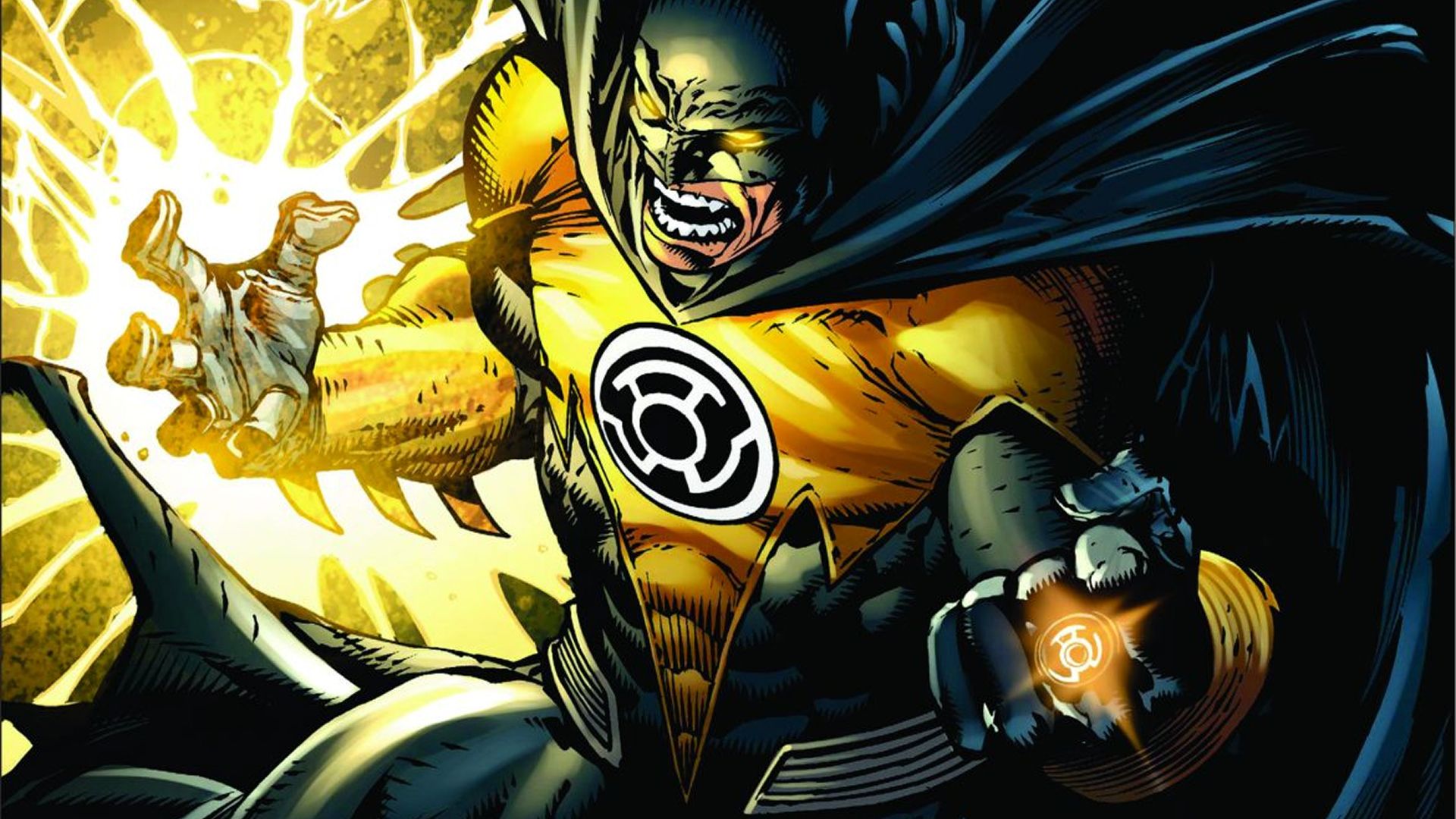
Batman has an intricate relationship with the emotional spectrum, having donned various Lantern rings. His time as a Green Lantern occurred in Green Lantern: Rebirth, where he used the ring to confront his parents' death, revealing his struggle with grief. Additionally, he has been a Black Lantern, experiencing resurrection and a confrontation with mortality, and a Yellow Lantern, showcasing his deep-seated fear.
Wonder Woman’s encounters with Lantern rings span her transformation from a Black Lantern during Blackest Night to wielding a Green Lantern ring. Throughout her journey, she symbolizes strength and love, particularly when she seizes John Stewart’s Green Lantern ring to defeat Matriarch, showcasing her readiness to fight for her principles.
Mera’s transformation into a Red Lantern is fueled by profound emotional conflict, primarily following the loss of her son. During Blackest Night, she exhibits immense rage which leads her to become a formidable force as a Red Lantern. This arc highlights the perils of unchecked emotions but brings moments of redemption through interactions with other ring bearers, guiding her toward a path of recovery.
Unique among his peers, Barry Allen, the Flash, wielded a blue ring during Blackest Night. This ring symbolizes hope, allowing him to work alongside fellow Lanterns against the evil forces threatening the universe. Barry’s journey showcases the importance of hope in the battle against despair, demonstrating that even amidst darkness, light can prevail.
Lex Luthor's time as an Orange Lantern during Blackest Night underscores his insatiable greed. His actions emphasize the destructive nature of avarice as he attempts to acquire other rings, demonstrating how even the most villainous characters can temporarily wield significant power through the Emotional Spectrum, albeit with dire consequences.
The Lantern Corps is not limited to traditional superheroes; a diversity of characters has proven their worth across the emotional spectrum. From living planets like Mogo to characters like Scarecrow, whose fear powers attract the Yellow Lantern ring, the variety emphasizes that emotional strength can come from unexpected places.
These characters collectively reveal that the path to becoming a Lantern in the DC Universe is paved with emotional depth and complexity. Their journeys emphasize the importance of emotions in shaping not only their identities but also their roles within the larger narrative. What this means is that in the DC Universe, anyone can embody the power of a Lantern, reflecting their inner struggles and triumphs.
Character guide
EpisodeBreakdown may use automated tools to assist research, drafting, and formatting. Published pages are governed by our editorial and corrections policies, and source links are shown when they are available in the article record.
Discovery source: ScreenRant. The source identifies where the topic was discovered; EpisodeBreakdown is responsible for the commentary published on this page.
Reader response
Reactions and poll results are based on real reader responses. No account is required.
Brady Corbet revisits 'Mysterious Skin,' discussing its themes, character dynamics, and enduring impact on cinema and his own filmmaking.