Marvel Movies That Surpass Their Comic Book Origins
Exploring 5 Marvel films that have enhanced their comic book origins with deeper themes and character development.
Explore key Marvel characters that embody emotions central to DC's Lantern Corps, revealing their significance within the universes.
Explore the franchise
Marvel and DC often draw from similar themes and character archetypes, exemplified by the motivations and emotional journeys of their heroes and villains. In simple terms, certain Marvel characters are particularly representative of the various emotions that fuel DC's Lantern Corps. This article explores these characters, detailing their motivations, arcs, and the emotional spectrum they embody within their respective narratives.
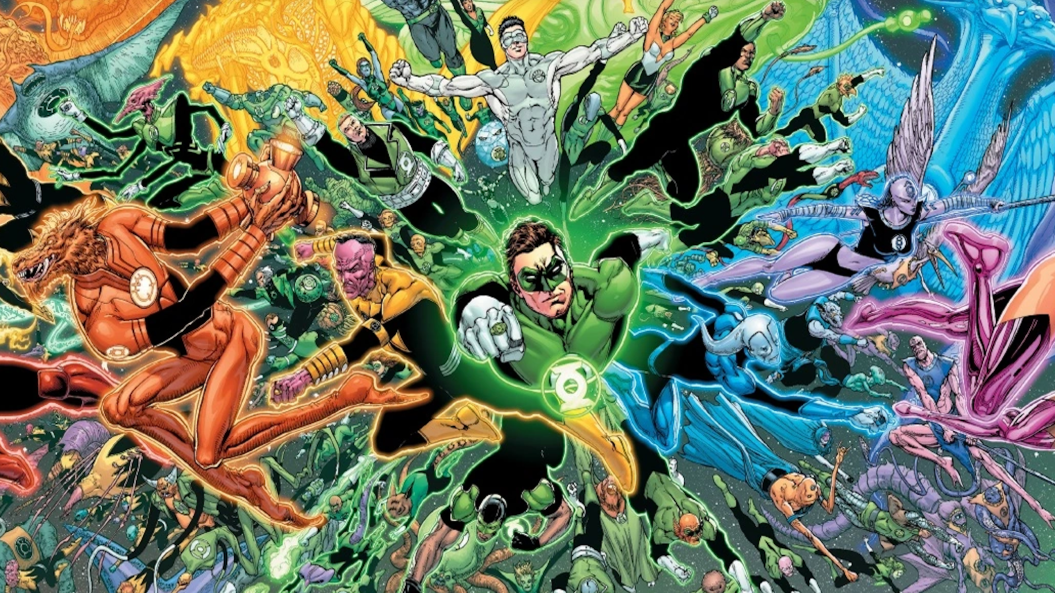
The Emotional Spectrum from DC Comics comprises nine colors, each representing fundamental emotions: red for rage, orange for greed, yellow for fear, green for will, blue for hope, indigo for compassion, violet for love, black for death, and white for life. Each color powers a corresponding Lantern Corps that recruits individuals who exemplify these emotions. Notably, this concept resonates across universes, making some Marvel characters ideal candidates for such roles.
The Hulk embodies endless rage, making him an ideal candidate for the Red Lantern Corps. Born as a result of Bruce Banner's traumatic childhood and later transformed in a gamma bomb explosion, the Hulk symbolizes unrestrained fury. His physical strength amplifies as anger surges, allowing him to become an unstoppable force. This rage not only defines his character but also creates conflict both internally—between Banner's intellect and Hulk's primal nature—and externally with other heroes and villains who misunderstand or fear him. Understanding Hulk's journey highlights the darker aspects of anger and its repercussions in storytelling.
A prime example of greed in Marvel is the Collector, whose obsession drives him to amass unique and valuable items from across the universe. This character is tailored for the Orange Lantern Corps, where avarice governs the power dynamics. Unlike many collectibles in the superhero realm, the Collector views living beings as mere objects, reflecting a darker motivation. His journey underscores the dangers of unchecked greed, allowing readers to explore the emotional landscape of desire and attachment within his arc.
As the embodiment of fear, the Red Skull is an excellent representation of DC's Yellow Lantern Corps. Known for his ruthlessness, he instills terror in those opposing him, utilizing propaganda and fear tactics to gather power. His motivations extend beyond mere villainy; they are rooted in a desire to control and dominate through fear, mirroring how fear shapes behaviors and decisions. Analyzing the Red Skull reveals complex layers of his character that go beyond villainy, showcasing how fear can manipulate societal dynamics.
Spider-Man stands out as an archetypal hero whose struggle to embody willpower reflects the ideals of the Green Lantern Corps. His unwavering resolve amid personal loss and adversity illustrates the essence of overcoming fear and hardship. Each battle he faces serves as a testament to his commitment to protecting others, driven by the belief that great power entails great responsibility. This heroic journey not only highlights his determination but also shows how personal sacrifices can resonate with larger themes of heroism and integrity.
No character embodies hope quite like Captain America, making him a worthy inhabitant of the Blue Lantern Corps. His unwavering optimism amid despair, particularly during World War II, signifies a larger moral compass. Captain America's leadership exemplifies the idea of inspiring others to act towards a brighter future, showcasing the transformative power of hope. By examining his evolution, we can understand how hope serves as a catalyst for change in superhero narratives.
Thanos's fascination with death aligns him with the Black Lantern Corps. His motivations derive from his quest to impress Lady Death, leading to actions that enforce the cycle of life and death throughout the multiverse. His complex character arc invites a deeper analysis of mortality and obsession and how these traits can drive a character to commit acts of cosmic-scale destruction. Thanos offers readers a moral reflection on the embrace of death as a concept, revealing the duality of his existence.
Finally, Jean Grey's relationship with the Phoenix Force makes her an exemplary candidate for the White Lantern Corps. Her journey through the trials of life, death, and rebirth encapsulates the emotional balance required to wield the ring. By demonstrating her understanding of life across different spectrums, her character becomes integral to exploring themes of resurrection and the interconnectedness of all beings. Jean Grey’s experience showcases the complexities of power and responsibility, resonating with readers’ beliefs about life’s fragility.
What we see with these Marvel characters is a rich tapestry of emotion that parallels the emotional spectrum defined by DC's Lantern Corps. Each character embodies specific motivations and conflicts that enrich their arcs, making them not only engaging in their respective narratives but also reflective of universal themes. Marvel's diverse lineup not only entertains but serves as a commentary on human emotion, making them compelling figures for the Lantern Corps.
In merging elements from both universes, we gain insights into how emotions shape narrative arcs, emphasizing the complexities of character development. This analysis broadens our understanding of both Marvel and DC, proving that despite their competitive nature, the exploration of emotional depth makes for richer storytelling across comic book narratives.
For further reading, you can explore the themes surrounding Cyclops in the upcoming Marvel X-Men Reboot and investigate how X-Men Characters relate to D&D Alignments. Additionally, check out DC Characters That Deserve Their Own Solo Video Games for a deeper dive into character potential beyond typical storytelling.
Character guide
EpisodeBreakdown may use automated tools to assist research, drafting, and formatting. Published pages are governed by our editorial and corrections policies, and source links are shown when they are available in the article record.
Discovery source: ComicBook.com. The source identifies where the topic was discovered; EpisodeBreakdown is responsible for the commentary published on this page.
Reader response
Reactions and poll results are based on real reader responses. No account is required.