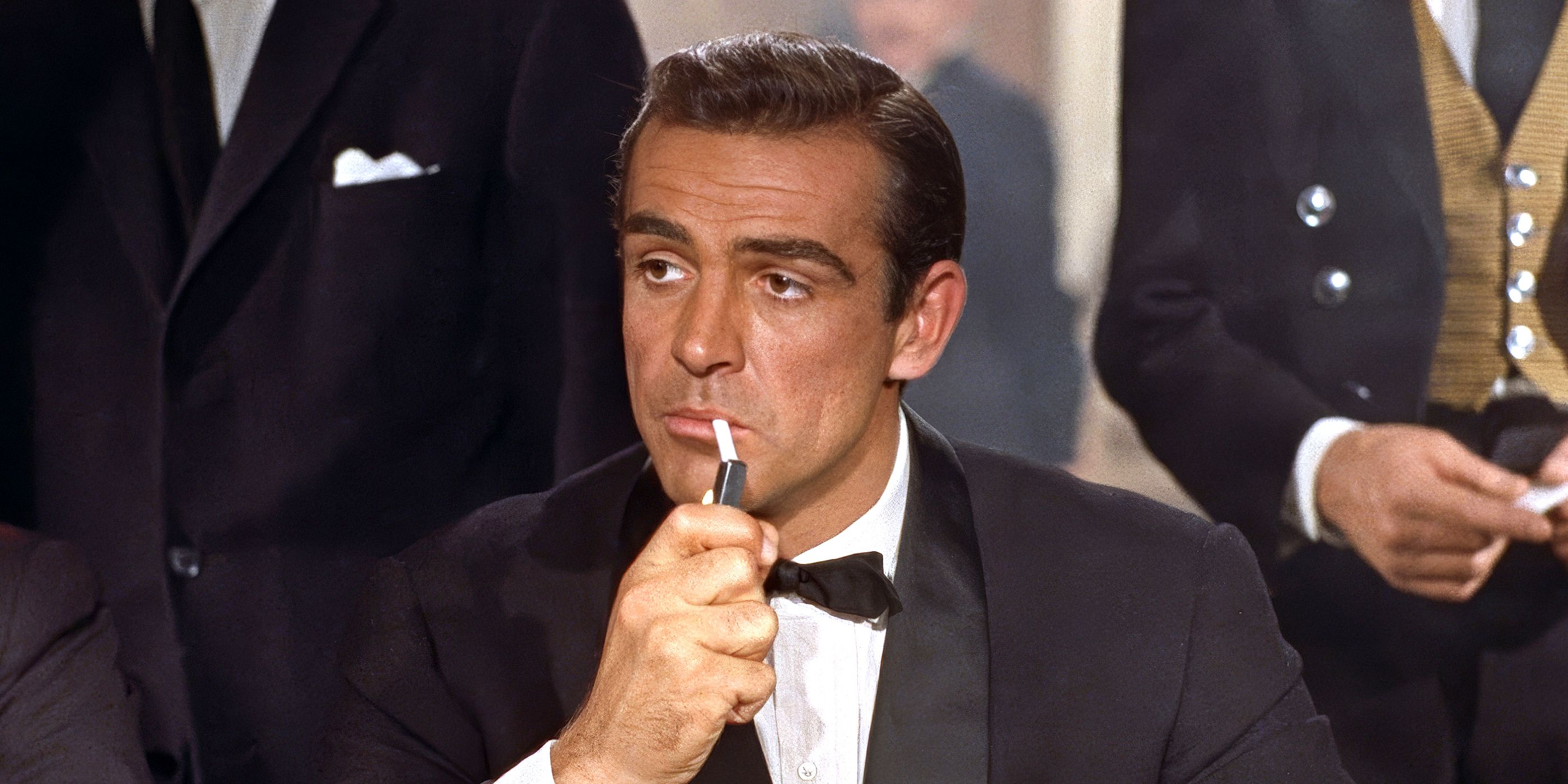
Exploring the Best Spy Movies of the 1960s
A deep dive into the finest spy films of the 1960s, showcasing themes, character choices, and cinematic innovations.
Discover the powerful DC characters who triumphed over Superman without Kryptonite, showcasing their unique abilities and epic confrontations.
In simple terms, several formidable characters in the DC Universe have managed to defeat Superman without resorting to Kryptonite, his well-known weakness. These characters embody a blend of extraordinary abilities, strategic cunning, and emotional complexity, all of which serve to elevate their significance within the storyline and showcase different facets of Superman’s character.
This guide will delve into these characters, outlining their unique motivations and the specific circumstances under which they overcame the iconic Man of Steel. Understanding these moments not only highlights Superman's vulnerabilities but also enriches the narratives in which these characters operate.
Martian Manhunter, also known as J’onn J’onzz, stands out as one of the most powerful telepaths in DC Comics. His vast array of abilities—including phasing through solid objects and energy projection—make him a terrifying adversary. His arc notably changes during the "Trial by Fire" storyline in JLA, where he confronts his fear of fire and becomes possessed by Fernus, a malevolent persona. In this state, he not only overpowers Superman but also rivals other Justice League heavyweights like Wonder Woman and Batman. This transformation underscores the internal and external battles faced by Martian Manhunter, showcasing how powerful fear can be when juxtaposed with raw strength.
Despero, originally depicted as physically weak but mentally superior, transforms into a towering juggernaut who actively seeks to conquer Earth. His ability to control minds serves as a devastating weapon against the Justice League, allowing him to incapacitate members systematically. In his fierce encounters with Superman, Despero demonstrates that sheer intellect coupled with telekinetic strength can level the playing field against even the strongest opponents. His victories against Superman affirm that strength is not solely a matter of physicality; mental prowess plays an equally crucial role in these epic showdowns.
Bizarro, Superman’s imperfect clone, presents an interesting contrast to the Man of Steel. While he typically exhibits flaws such as reduced intelligence, Bizarro possesses strength that rivals Superman’s own. His unique abilities, such as freezing breath instead of heat vision, and the fact that he is empowered by Kryptonite, make him a rare threat. In one notable storyline, Bizarro not only defeats Superman but also employs dark magic to transform an entire world into Bizarros. This suggests that while Bizarro often operates outside traditional hero models, his motivations—whether fueled by a desire for acceptance or simply chaotic nature—create a compelling narrative around identity and the quest for power.
As one of the most terrifying entities in the DC Universe, Trigon represents a dark force much larger than the human experience. He is often embroiled in dangerous theatrical confrontations with heroes, including Superman, showcasing his magical prowess and immense physical form. The stakes grow particularly high when he faces off against heroes like Superman without much competition, as Trigon’s magical abilities compromise Superman’s usual advantages. His presence serves to reflect the themes of chaos and destruction that often haunt heroic narratives, altering the course of their respective stories and challenging the very nature of what it means to be a hero.
Mongul, known for ruling the planet Warworld, epitomizes brute strength combined with tyrannical intelligence. Unlike most adversaries Superman faces, Mongul thrives in environments of violence and conquest, making him a fitting opponent in gladiatorial arenas. Numerous encounters have seen him overpower Superman, cementing his status as one of Superman's most dangerous foes. His arc often reveals the moral complexities of power, tyranny, and enslavement, raising questions about the responsibilities that come with strength.
While typically an ally to Superman, Wonder Woman is one of the few who has managed to best him in specific encounters. Her extensive combat training on Themyscira, combined with her superhuman strength and the iconic Lasso of Truth, positions her uniquely both as a friend and a formidable foe. Their physical clashes often delve into themes of redemption, loyalty, and the moral gray areas between good and evil. This duality in their relationship accentuates how personal connections can complicate heroic narratives.
Shazam, often an ally of Superman, showcases the vulnerability superheroes face due to differing sources of power. With his magical origins, he can easily exploit Superman’s vulnerabilities, making their confrontations particularly tense. Notably, Shazam's abilities were recently highlighted in the storyline where he defeated Superman by leveraging the chaos inflicted upon him by The Batman Who Laughs. Shazam’s youthful exuberance contrasts with the weight of responsibility embodied by Superman, raising questions about maturity, accountability, and the nature of heroism itself.
Lobo, the self-proclaimed Main Man of the DC Universe, is an immortal bounty hunter with a penchant for defiance and chaos. Although he often comes up short against Superman, he consistently delivers memorable confrontations. Their brawls highlight not only Lobo's tenacity but also the complexities of anti-heroism in a superheroic landscape. The frenetic energy of their battles forces both characters to reconsider their own strengths and weaknesses, as they navigate the fine line between hero and villain.
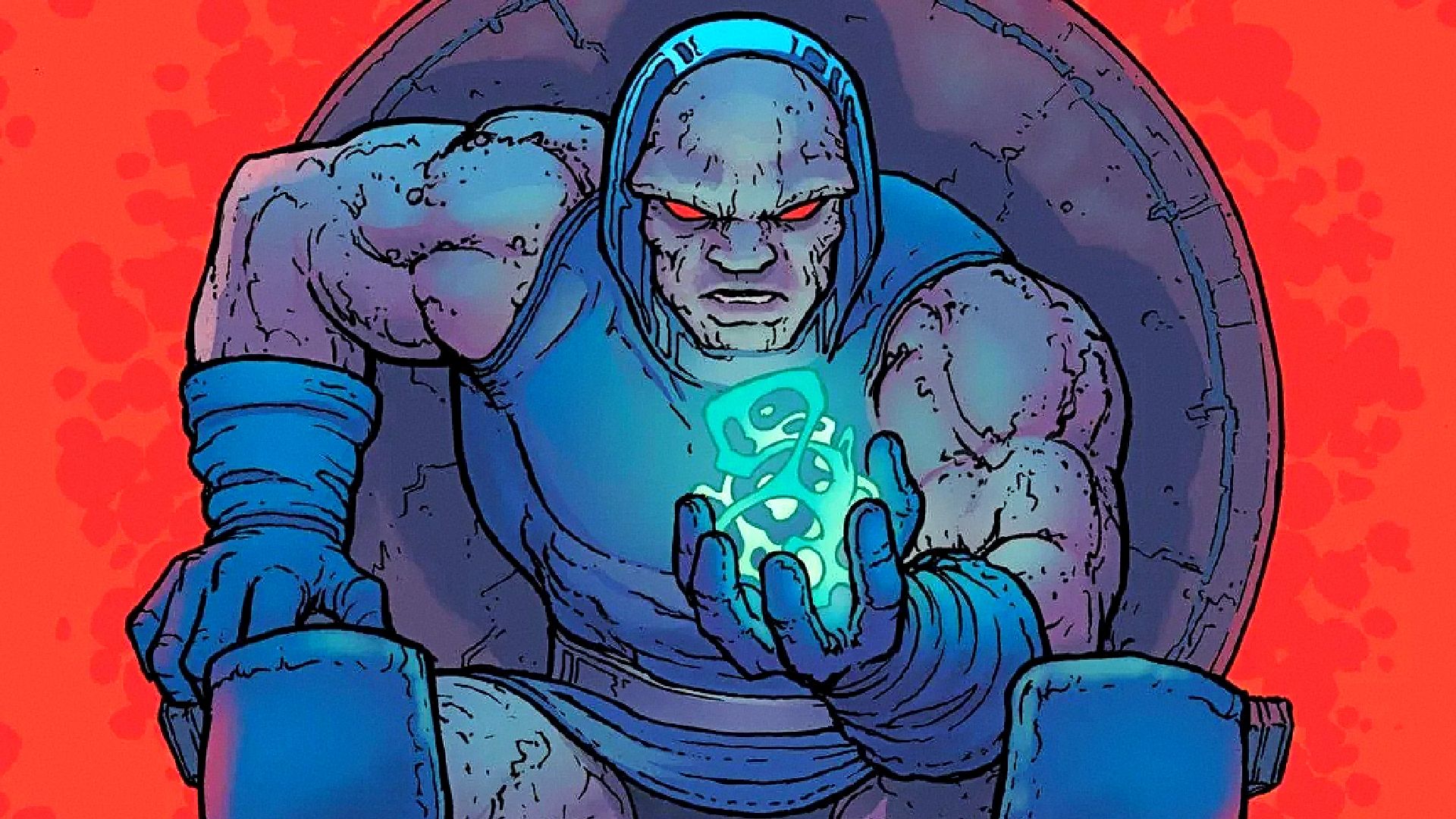
Serving as one of Superman’s most iconic foes, Darkseid was designed as an ultimate villain. Commanding the heartbreaking force of the Anti-Life Equation, his power often dwarfs that of Superman. His encounters with Superman frequently result in Darkseid turning the tide of battle with relative ease, utilizing his lethal Omega Beams to incapacitate the Man of Steel effectively. Darkseid’s presence in the narrative serves as both a challenge for Superman and a representation of evil, forcing Superman to confront the limits of his power and the broader implications of tyranny.
Doomsday, infamous for his capability to kill Superman, stands as a testament to raw power combined with evolutionary prowess. Created with the intent of perfecting destruction, his adaptability allows him to counter Superman's abilities successfully, posing an existential threat on multiple occasions. By creating a tangible link between Superman and mortality, Doomsday’s character arc reflects deep themes of life, death, and rebirth within the DC Universe.
The exploration of these characters not only highlights Superman’s capacity for vulnerability but also emphasizes how the definitions of strength, heroism, and morality can vary across the DC Universe. Each character brings a unique angle to the overarching narrative, indicating how encounters with adversaries can profoundly influence a hero's journey. From Martian Manhunter's internal struggles to Trigon's chaotic rampage, these complexities form a multifaceted web that ultimately enriches the storytelling landscape of DC Comics. Readers are encouraged to reflect on how these conflicts challenge existing notions of power and heroism within a storytelling framework that involves both triumph and failure.
Character guide
EpisodeBreakdown may use automated tools to assist research, drafting, and formatting. Published pages are governed by our editorial and corrections policies, and source links are shown when they are available in the article record.
Discovery source: ScreenRant. The source identifies where the topic was discovered; EpisodeBreakdown is responsible for the commentary published on this page.
Reader response
Reactions and poll results are based on real reader responses. No account is required.