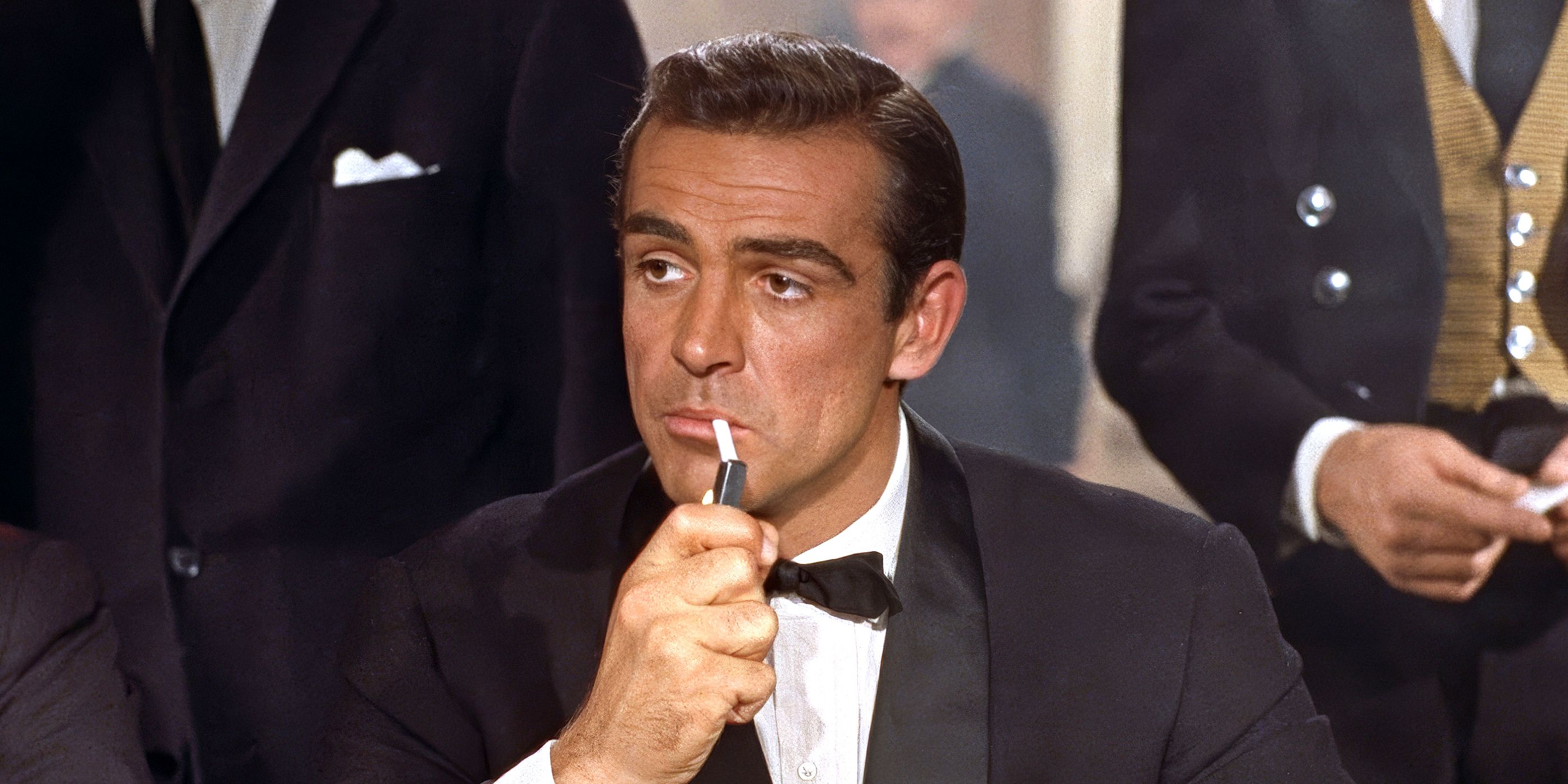
Exploring the Best Spy Movies of the 1960s
A deep dive into the finest spy films of the 1960s, showcasing themes, character choices, and cinematic innovations.
Explore the evolution, motivations, and cultural significance of Kamala Khan, Marvel's Ms. Marvel, and her prospective role in the X-Men reboot.

Explore the franchise
In simple terms, Kamala Khan, portrayed by Iman Vellani, is Marvel's Ms. Marvel and a pivotal character in the Marvel Cinematic Universe (MCU). Her unique story blends adolescent growth with the thrill of superhero adventures, and she provides a fresh perspective by merging her Muslim identity with her superhero journey. This intersection of culture and heroism allows her to resonate with a diverse audience while exploring themes of belonging and self-acceptance.
What makes Kamala particularly important is her function as a bridge between human experiences and the fantastical elements of the superhero genre. As the potential first mutant introduced in the MCU, she has a significant role in the evolving narrative landscape of Marvel's X-Men reboot, hinting at deeper explorations of identity, community, and societal acceptance.
At her core, Kamala is driven by a desire to find her place in the world while grappling with her extraordinary abilities. This internal conflict is exacerbated by her cultural background, wherein her Muslim heritage plays a significant role in shaping her values and beliefs. Throughout her journey, Kamala seeks not only to master her powers but also to connect her dual identity as a superhero and a young Muslim woman, a struggle that grants depth to her character.
Her aspirations often center around the idea of heroism, influenced by her admiration for established heroes like Captain Marvel. This admiration transforms into a mission to prove herself worthy of being part of their ranks, adding layers to her motivations as a character.
Kamala’s relationships with other characters are a critical component of her development. Her bond with friends like Bruno and Kamala's family offers a balance between her superhero life and her everyday challenges, frequently reflecting her ongoing struggle for acceptance. As the narrative progresses, these relationships deepen her understanding of friendship, loyalty, and sacrifice.
Moreover, her connection with other heroes, including Captain Marvel and Monica Rambeau, provides a template for future team dynamics as she ventures into broader superhero universes. As the character evolves, her interactions with the X-Men can explore themes of trust and collaboration, especially in a world where heroes are often misunderstood and feared.
Kamala’s original powers, which center on the manipulation of cosmic energy through a family heirloom, evolve significantly in the series. In the series finale, she learns she possesses a genetic mutation, making her the MCU's first mutant. This pivotal revelation aligns her with the broader themes of identity and acceptance that run through the X-Men narratives.
Her ability to shape-shift and enhance her physical form conveys a metaphor for teenage insecurities and the quest for self-definition. As she develops her powers, her growth symbolizes a coming-of-age journey that resonates deeply with young audiences, portraying not just the excitement of powers, but also their accompanying burdens.
Kamala faces various internal and external conflicts throughout her journey. Balancing her superhero duties with familial expectations poses a challenge that adds depth to her character arc. These struggles are reflective of broader societal issues, particularly the complexities of cultural identity.
Additionally, her emergence as the first mutant in the MCU brings forth the challenge of navigating the mutant metaphor in a world that often fears and misunderstands them. This duality not only enriches her character but also sets the stage for critical narrative developments as she possibly interacts with the X-Men.
Kamala Khan's character is significant not only within the narrative but also across the larger Marvel framework. As a Muslim superhero, she brings diversity to the forefront, serving as a role model for many young viewers. The exploration of her faith and the conflicts it presents in her life reflect real-world issues of identity and belonging, resonating with various audiences.
By having Kamala as part of the impending X-Men reboot, the Marvel Cinematic Universe has a unique opportunity to delve into themes of acceptance and the challenges faced by marginalized groups. Her journey can provide essential commentary on the metaphorical aspects of being a mutant, making her an integral part of the narrative alongside timeless characters like Nightcrawler and Wolverine, who similarly grapple with acceptance.
The ongoing developments surrounding Kamala Khan are exciting, especially with her anticipated return in the X-Men reboot. As the casting process for new heroes unfolds alongside her character's evolution, fans eagerly speculate on how she will fit into this new narrative landscape. The complexities of her identity and experiences could deepen the exploration of the mutant metaphor, potentially making Kamala a central figure in connecting diverse characters and experiences.
As we await further reveals about her character arc, the combination of Kamala's struggles and triumphs confirms her essential role as both a superhero and a voice for cultural identity in the evolving Marvel Cinematic Universe.
Kamala Khan’s evolving narrative serves as a powerful lens through which we can explore broader themes of identity, acceptance, and the challenges of growing up as a superhero and as a member of a minority group. With the X-Men reboot on the horizon, her potential involvement promises to not only enrich her character but also provide vital commentary on societal issues. Fans can expect Kamala to be a significant force in shaping the future of the MCU and offering a deeper connection between humanity and the extraordinary world of mutants.
Character guide
EpisodeBreakdown may use automated tools to assist research, drafting, and formatting. Published pages are governed by our editorial and corrections policies, and source links are shown when they are available in the article record.
Discovery source: Collider. The source identifies where the topic was discovered; EpisodeBreakdown is responsible for the commentary published on this page.
Reader response
Reactions and poll results are based on real reader responses. No account is required.