Bonus Freebies for PlayStation Plus Subscribers in August 2026
PlayStation Plus subscribers will receive exciting new digital items in August 2026, including free Marvel-themed content and new games.
A look back at 'Sherlock's' attempt to replace the iconic villain Moriarty and how that choice has not stood the test of time.
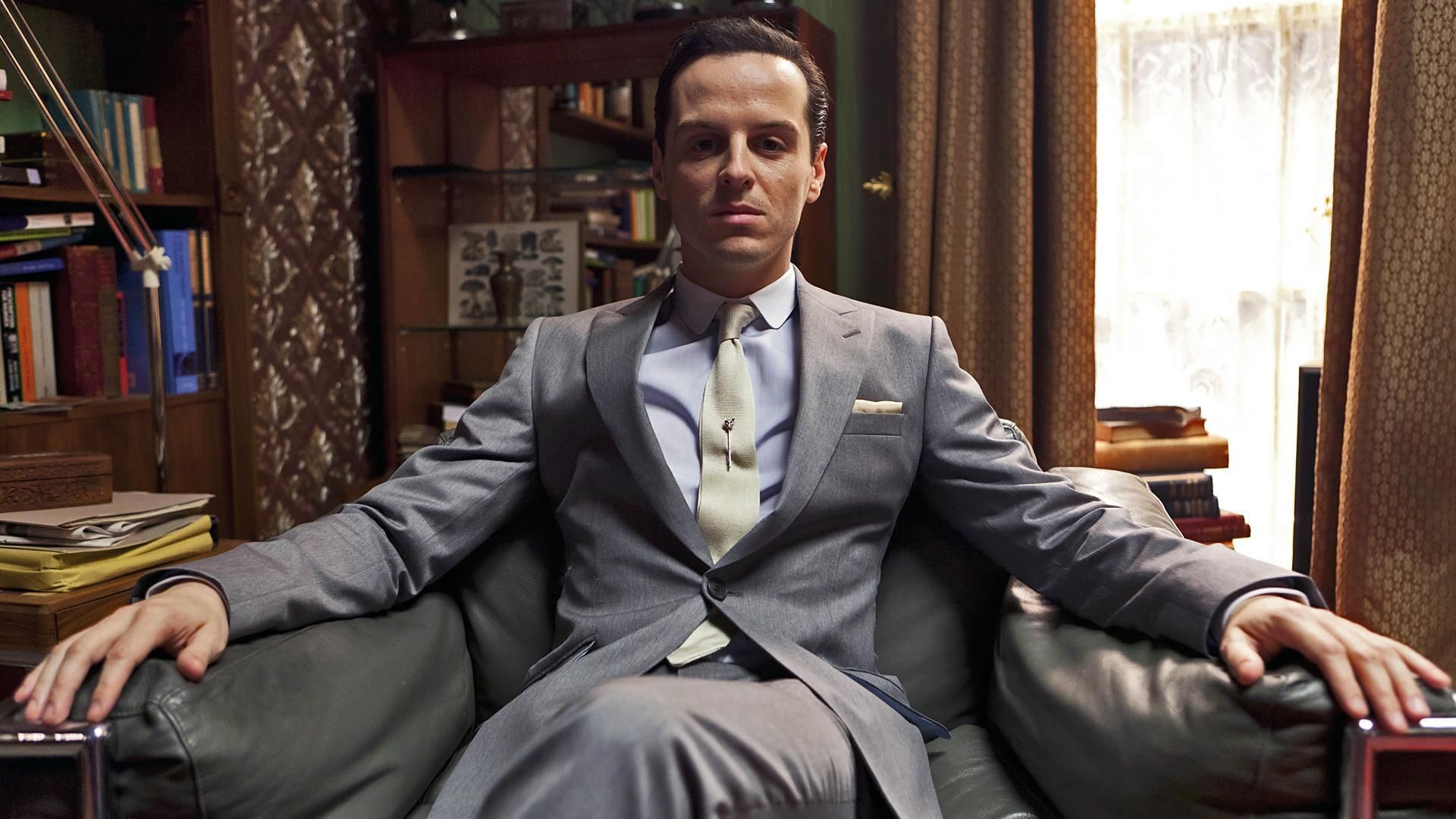
In the realm of contemporary television, few shows have captured audiences quite like BBC's "Sherlock." Its masterful blend of modernity with classic Arthur Conan Doyle tales brought old characters to life in fascinating ways. However, after the brilliant Jim Moriarty, portrayed by Andrew Scott, departed the series, the introduction of his replacement felt like an attempt to recapture lightning in a bottle—and audiences have been less than impressed. Looking back 12 years later, it seems that this replacement has truly "aged like milk."
This article delves into the replacement of Moriarty in "Sherlock," exploring why the character, Charles Augustus Magnussen, did not resonate with viewers and how this misstep has left a lasting impression on the series' legacy. We will explore the initial hype surrounding the character, the fan reactions post-introduction, and why many believe that Magnussen has not stood the test of time.
When Jim Moriarty first appeared on screen, he captivated audiences with his dark charisma and unpredictable nature. His final confrontation with Sherlock Holmes was deemed iconic, culminating in a thrilling cliffhanger that left fans clamoring for more. His climactic exit created a daunting challenge for showrunners: finding a replacement who could match Moriarty's magnetic presence.
Enter Charles Augustus Magnussen, played by Lars Mikkelsen, introduced in the third season. The hype surrounding Magnussen was significant; he was billed as a formidable new enemy with immense intelligence and resources. However, rather than being viewed as a worthy successor to Moriarty, many fans saw him as a pale imitation. The narrative surrounding Magnussen took a different direction, focusing on his status as a media mogul with a penchant for blackmail and manipulation, but this portrayal lacked the multifaceted menace Moriarty offered.
The titular character, Sherlock Holmes is a consulting detective with a razor-sharp intellect. His relationship with Moriarty was complex and intense, bringing out the very best and worst in him. As he faces off against Magnussen, the stakes feel different; how he reacts reveals more about him than his new rival.
Sherlock’s loyal friend and confidant, John Watson provides the emotional core of the series. His ties to Sherlock compel viewers to engage more deeply with the narrative, especially during confrontations with Magnussen.
Portrayed as the new antagonist, Magnussen represents a shift in villainy. Unlike Moriarty’s physical threat, Magnussen's weapon is information and influence. Yet, while he is portrayed as cunning and manipulative, his sinister undertones fail to strike the same fear that Moriarty instilled.
In the finale of the third season, Magnussen’s ultimate downfall is surprisingly anticlimactic. His confrontation with Sherlock lacks the intensity and stakes previously established in the Moriarty arcs. In the end, it’s not Sherlock’s intellect or cunning strategy that brings an end to Magnussen, but rather an unexpected decision that feels more like an easy resolution than a satisfying conclusion. This disappointment has triggered retrospective discussions among fans, arguing that the character did not adequately fill the void left by Moriarty.
Given that Sherlock has wrapped up its series, further exploration of Magnussen appears unlikely. However, if the show's creators were to revisit this universe—something many fans hope for—there would be significant potential to rectify this oversight. Perhaps a more nuanced and complex portrayal of villains could provide the richness the series deserves. Additionally, the show could explore how Sherlock and John have grown in response to another formidable adversary, helping them evolve rather than merely serving as narrative devices. This could also include comments about the evolving nature of villainy in the digital age, reflecting how modern threats may be less physical and more psychological or corporate.
The discussion surrounding Magnussen’s character and the reception he received has resurfaced due to fans engaging in nostalgia for the series. Platforms like social media allow for retrospective analyses of beloved shows, and with the passing years, many fans take this opportunity to reflect. The contrast between Moriarty and Magnussen has become a talking point in discussions about character development, villain dynamics, and narrative strength in mystery series. The hashtag #MoriartyVsMagnussen has trended more than once, further highlighting how dearly audiences hold onto the impactful moments of the series.
In the end, the decision to replace Moriarty with Magnussen may have been well-intentioned, but it clearly fell short of capturing the same magic. "Sherlock" remains a beloved series, but the introduction of an antagonist like Magnussen has become a focal point of critique. As time goes on, it serves as a reminder of the complexity of character dynamics in storytelling—especially in a series that has become a benchmark for quality television. The legacy of Moriarty endures, while Magnussen seems destined to linger in the shadows, a reminder that sometimes, the original simply cannot be replicated.
Entertainment news
EpisodeBreakdown may use automated tools to assist research, drafting, and formatting. Published pages are governed by our editorial and corrections policies, and source links are shown when they are available in the article record.
Discovery source: ScreenRant. The source identifies where the topic was discovered; EpisodeBreakdown is responsible for the commentary published on this page.
Reader response
Reactions and poll results are based on real reader responses. No account is required.