Spider Man
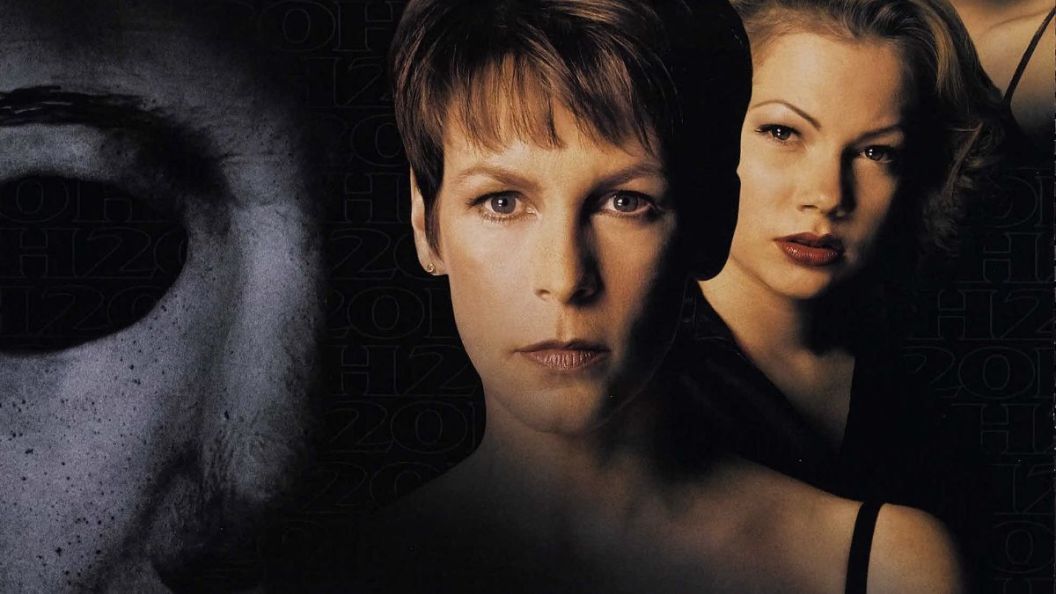
Halloween Franchise: A Cycle of Reboots and Diminished Returns
The Halloween franchise's obsession with reboots has created a cycle of diminishing returns, frustrating fans and complicating its legacy.
Explore the significance of 120 films that highlight the Black experience, tracing impactful stories from Oscar Micheaux to modern hits like 'Black Panther'.
The cinematic landscape has profoundly captured and reflected the Black experience throughout history. From early silent films to contemporary blockbusters, movies have provided a medium to narrate stories, advocate for justice, and celebrate culture. In this breakdown, we explore 120 significant films that encapsulate the diverse aspects of Black life, identity, and struggles, highlighting their storytelling resonance and cultural implications.
This article looks at a curated list of 120 essential films focusing on the Black experience. Covering a wide timeline—from pioneers like Oscar Micheaux to ground-breaking entries like 'Black Panther'—these films explore themes of resilience, identity, and social justice. The richness and complexity of these narratives offer audiences not only entertainment but crucial insights into historical and contemporary realities.
The journey through these films opens with early cinematic efforts, like those by Oscar Micheaux, whose works were some of the first to portray Black narratives in a predominantly white film industry. His stories lay the groundwork for a legacy of representation that continues today. As cinema evolved, the 1960s and 1970s brought about films that addressed not just the personal but also the political struggles faced by African Americans. Titles such as 'Sweetback's Badasssss Song' and 'Shaft' introduced new archetypes and genres, symbolizing a creative resistance against societal norms and injustices.
As we moved into the late 20th century and beyond, films like 'Do the Right Thing' showcased the nuanced narratives of urban life and the complexities of racial tensions, pushing audiences to confront uncomfortable realities. These films bridged generations and highlighted significant cultural shifts, paving the way for transformative works in recent years that continue to resonate deeply.
With 120 films comes a wealth of characters that mirror the diversity of the Black experience. Each character brings their unique story, joys, struggles, and triumphs:
As varied as these characters are, they all embody fundamental aspects of life, culture, and society, making connections that affirm, challenge, and provoke thought.
While the specific details on the endings of these films vary widely, many share thematic resolutions that reflect the times in which they were created. For instance, films from the 90s often displayed a sense of hope amidst struggle, culminating in moments of realization or community solidarity. Conversely, contemporary films may not shy away from open endings or unresolved issues, reflecting ongoing societal debates.
As we analyze multiple films, it's evident that endings often serve as reflections of broader narratives—whether that be embracing hope, confronting harsh realities, or inspiring change.
As storytelling continues to evolve, the future of film depicting the Black experience points towards greater complexity and interconnectivity. One can anticipate more nuanced portrayals expanding beyond stereotypical narratives to include diverse voices within the Black community itself, such as LGBTQ+ stories and international perspectives.
With advancements in technology and platforms like streaming services allowing independent filmmakers an avenue for expression, viewers can expect a richer blend of experiences. Furthermore, as discussions around social justice continue to grow, films are likely to play a pivotal role in shaping public awareness and inspiring activism.
The ongoing relevance of these films correlates with a heightened awareness of racial issues in society today. Recent societal movements have reignited dialogues around race, identity, and justice—factors well reflected in the rich archive of films focusing on the Black experience. For audiences, now more than ever, engaging with such narratives offers both entertainment and an opportunity for reflection on the social dynamics that shape our world.
Moreover, with festivals celebrating Black cinema and important anniversaries of landmark films approaching, interest surges among younger generations eager to understand the historical context and the evolution of Black narratives in film. This not only helps to cultivate a richer cultural understanding but also fosters a dialogue that spans generations.
The landscape of films highlighting the Black experience is expansive and significant. From foundational works to modern masterpieces, these 120 films serve not only as a reflection of a nuanced history but as crucial commentary on today’s societal dynamics. They inspire audiences to think critically about identity, representation, and the importance of storytelling in fostering empathy. As discussions around race and culture continue to evolve, the relevance of these films will undoubtedly remain vital, ensuring that the Black experience is celebrated and understood in all its complexity.
Movie explanation
EpisodeBreakdown may use automated tools to assist research, drafting, and formatting. Published pages are governed by our editorial and corrections policies, and source links are shown when they are available in the article record.
Discovery source: Rotten Tomatoes News. The source identifies where the topic was discovered; EpisodeBreakdown is responsible for the commentary published on this page.
Reader response
Reactions and poll results are based on real reader responses. No account is required.
Explore the dynamics behind the soaring success of the highest-grossing films, revealing trends and standout moments in cinematic history.