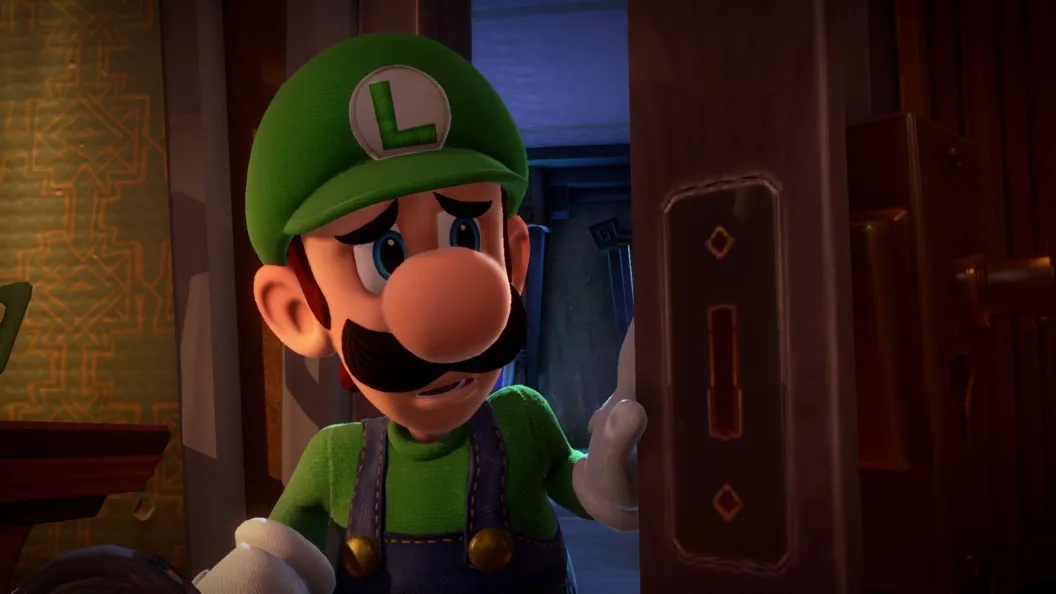
25 years ago, Nintendo's Luigi's Mansion game transformed the Mario brother from a palette swap into a distinct character with a cowardly yet courageous personality, cementing his role in the franchise.
Luigi’s Mansion, released in Japan on September 14, 2001, and later in North America in November of that year, marked a pivotal moment in Nintendo’s character development history. The GameCube launch title redefined the Mario franchise’s oldest character by transforming him from a simple palette swap into a fully realized personality. This shift occurred over 17 years after Luigi’s debut in the 1983 game Mario Bros., where he was initially a visual distinction for Mario’s red counterpart.
The game’s success—selling over 3.3 million copies and becoming the fifth-best-selling GameCube title—cemented Luigi’s evolution as a distinct character within Nintendo’s ecosystem. Unlike previous iterations, where Luigi functioned more as a costume change than a character, Luigi’s Mansion established him as a lovable coward with a unique personality that resonated with players.
Luigi’s Evolution from Palette Swap to Personality
Luigi’s original design in Mario Bros. featured green overalls to differentiate him from Mario’s red aesthetic. However, he remained largely a functional counterpart, with minimal personality beyond his visual distinction. This changed significantly in Super Mario Bros. 2 (released in North America as The Lost Levels), where Luigi gained a higher jump and minor visual refinements like a skinnier frame and taller height. Yet, he still served the same role as Mario’s brother without distinct character traits.
It wasn’t until Luigi’s Mansion that Nintendo took a bold step. The game recast Luigi as a fearful figure who reluctantly ventures into a haunted mansion to rescue his brother from spirits. This narrative shift introduced a personality that contrasted with Mario’s more confident demeanor. Luigi’s character became defined by his courage in the face of fear—shaking in his boots but persistently searching for his brother.
Why Luigi’s Mansion Was a Strategic Win for Nintendo
The game’s success was not accidental. Nintendo strategically leveraged Luigi’s Mansion to create a family-friendly horror series that aligned with their broader brand. Unlike other horror titles like Eternal Darkness, which were too intense for the GameCube audience, Luigi’s Mansion maintained a playful tone with subtle scares. This approach allowed Nintendo to explore the horror genre without compromising the cartoony, lighthearted essence of the Mario franchise.
The game’s mechanics—such as using Professor E. Gadd’s inventions to track and contain spirits—further reinforced Luigi’s role as a proactive hero. This design choice not only made the game stand out but also established a template for future Nintendo horror titles. By focusing on Luigi’s personality, Nintendo created a character that could be referenced across multiple games and media, solidifying his place in the franchise.
The Long-Term Impact on Nintendo’s Character Ecosystem
Luigi’s Mansion’s influence extended beyond the game itself. The character’s evolution helped Nintendo refine Mario’s personality in contrast, creating a more nuanced dynamic between the brothers. This shift also paved the way for future Nintendo horror titles, including Luigi’s Mansion: Dark Moon and Luigi’s Mansion: Party Panic, which have maintained Luigi’s core traits while expanding his story.
The game’s legacy is evident in its continued relevance. Even 25 years later, Luigi’s Mansion remains a cultural touchstone for Nintendo fans, with its blend of horror and humor still resonating with players. This success demonstrates how a single game can redefine a character’s role in a franchise while delivering commercial and creative value.
How This Development Fits into Nintendo’s History
For Nintendo, Luigi’s Mansion was a strategic move that addressed long-standing challenges in character development. Prior to this game, Luigi had been a visual placeholder rather than a character with depth. By giving him a distinct personality, Nintendo created a more engaging narrative for players while expanding their horror portfolio without alienating their core audience.
The game’s success also highlighted Nintendo’s ability to innovate within established franchises. While other companies might have struggled with character evolution, Nintendo’s approach to Luigi’s Mansion demonstrated how a single title could redefine a character’s role while maintaining the franchise’s core identity.
This development remains significant today, as it shows how Nintendo has consistently prioritized character depth alongside gameplay innovation. The game’s legacy continues to influence modern Nintendo titles, proving that even a character as simple as Luigi could become a cornerstone of the company’s creative strategy.
Nintendo's Luigi Got His Breakthrough in 2001Luigi’s Evolution from Palette Swap to PersonalityWhy Luigi’s Mansion Was a Strategic Win for NintendoThe Long-Term Impact on Nintendo’s Character Ecosystem
EpisodeBreakdown may use automated tools to assist research, drafting, and formatting. Published pages are governed by our editorial and corrections policies, and source links are shown when they are available in the article record.
Discovery source:ComicBook.com. The source identifies where the topic was discovered; EpisodeBreakdown is responsible for the commentary published on this page.
Reader response
What did you think?
Be the first to react
Reactions and poll results are based on real reader responses. No account is required.
Continue the story
news
Captain America, Iron Man, and Thor Don’t Define the Avengers, These 5 Heroes Do
ComicBook.com reports that while Captain America, Iron Man, and Thor are often considered the core Avengers, the team’s true identity is defined by five key members who have shaped its legacy.Read next →