In 2000, Brian Michael Bendis and Michael Avon Oeming released Powers, a comic that became the blueprint for modern indie comics. This article explores how Bendis’s early work with Image Comics reshaped the industry.
In 2000, Brian Michael Bendis and Michael Avon Oeming launched Powers, a comic that would become the cornerstone of the modern indie comic industry. The publication marked a pivotal shift in how creators approached the market, proving that a Marvel or DC writer could successfully launch a creator-owned title without sacrificing quality or audience appeal.
The comic emerged during a period when the indie market was struggling. By 2000, Image Comics had lost much of its early momentum, and most creators were shifting to Vertigo for creator-owned projects. Dark Horse Comics was surviving primarily through licensed content, and the indie space was largely dead. Bendis’s Powers stood out as a rare exception, offering a street-level crime narrative set in a world where superheroes were real.
Bendis’s Rise Through the Industry
Bendis began his career at Caliber Comics in the early 1990s, gaining recognition with Torso, a true crime book about an Elliot Ness case published through Image Comics. He later worked on Sam and Twitch, a Spawn spin-off. His reputation as a crime comic specialist led to his move to Daredevil and eventually Ultimate Spider-Man at Marvel. However, his early work with Image Comics laid the groundwork for his later success.
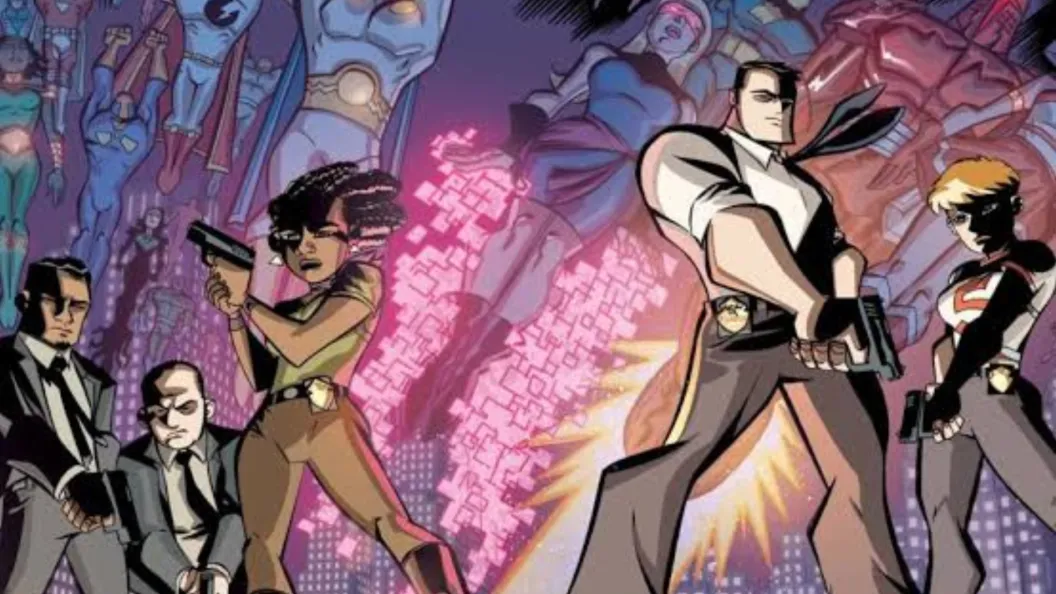
The Powers series followed Bendis’s signature style: intricate character dynamics, mystery-driven plots, and pop culture references. The story centered on detective Christian Walker and Deena Pilgrim, two characters with mysterious pasts who navigated a world where superpowers were common. The comic’s retro aesthetic, influenced by Bruce Timm’s DC Animated Universe art, complemented its themes and resonated with readers.
Why Powers Was Revolutionary
Prior to Powers, the indie market was viewed as a secondary career path for creators. Only established names like Frank Miller, Alan Moore, and Todd McFarlane could sustain indie careers. Bendis’s success with Powers changed this dynamic by demonstrating that a creator could earn a living through indie work while maintaining high-quality storytelling.
The comic’s impact extended beyond its time. It became the standard for indie comics, influencing creators like Robert Kirkman, who later launched The Walking Dead and Invincible. Bendis’s relationship with the comic press, particularly Wizard Magazine, helped Powers gain traction and set a precedent for how indie comics could thrive.
The Legacy of Powers
Today, the indie comic market is thriving with companies like Image Comics, BOOM! Studios, and Dark Horse Comics. Powers remains a touchstone for creators who began their careers in mainstream comics. Its legacy is clear: it showed that a Marvel or DC writer could successfully transition to indie work without losing audience engagement.
The comic’s influence is still felt today. Many modern creators follow Bendis’s path, starting with mainstream titles before launching creator-owned projects. Powers remains a testament to the power of storytelling that bridges the gap between superhero comics and street-level narratives.
How the Industry Evolved
The Powers era marked a turning point in the comic industry. Before its release, indie comics were often seen as a stepping stone to Marvel and DC. After Powers, creators could pursue indie work as a viable career path, leading to the modern indie boom. This shift has allowed for greater creative freedom and financial sustainability for creators.
The comic’s success also highlighted the importance of writer-driven storytelling. While Image Comics had previously focused on artists, Powers emphasized Bendis’s narrative vision, setting a new standard for the industry. This approach has since become the norm for indie comics, with writers now taking center stage.
Why This Matters Now
For comic fans, Powers remains a reminder of how the industry has evolved. Its legacy is particularly relevant today, as the indie market continues to grow and diversify. The comic’s influence on modern creators underscores the importance of early career choices in shaping the industry’s future.
The story of Powers is not just about one comic—it’s about the broader shift in how creators approach the industry. By proving that indie work could be both financially sustainable and artistically rewarding, Powers helped birth the modern indie comic landscape.
How Powers Defined the Indie Comic EraBendis’s Rise Through the IndustryWhy Powers Was RevolutionaryThe Legacy of Powers
EpisodeBreakdown may use automated tools to assist research, drafting, and formatting. Published pages are governed by our editorial and corrections policies, and source links are shown when they are available in the article record.
Discovery source:ComicBook.com. The source identifies where the topic was discovered; EpisodeBreakdown is responsible for the commentary published on this page.
Reader response
What did you think?
Be the first to react
Reactions and poll results are based on real reader responses. No account is required.
Continue the story
news
2013 Time-Travel Rom-Com 'About Time' Features Future MCU and DC Stars
A 2013 British time-travel romance film written and directed by Richard Curtis contains future Marvel and DC stars in minor roles, including Harley Quinn, Sue Storm, and Christine Palmer. The movie, now streaming on Netflix, has been overlooked for its casting connections to both universes.Read next →