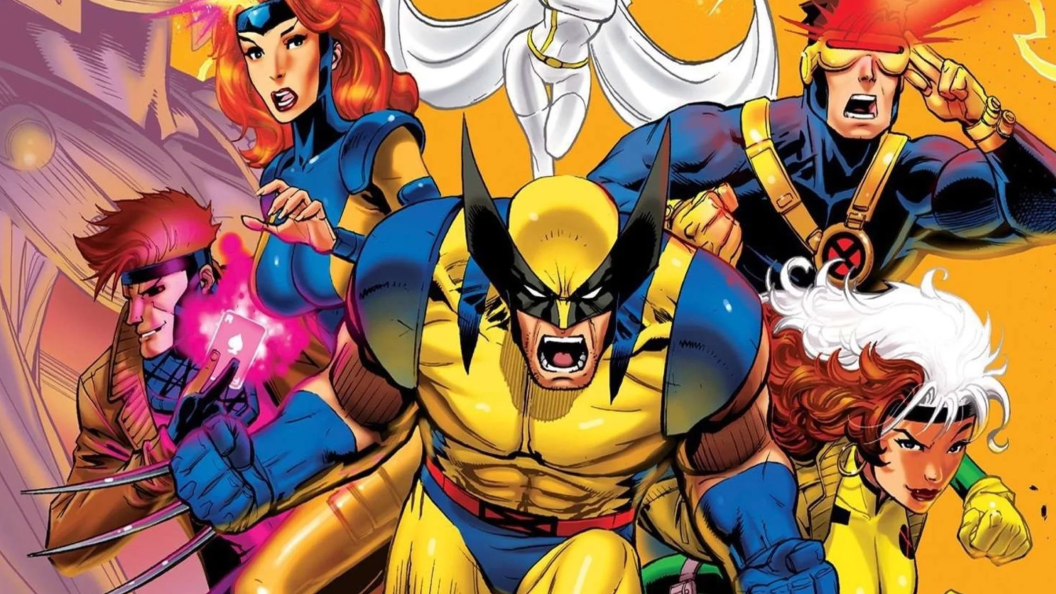
X-Men: The Animated Series ended with a shocking cliffhanger in its 1997 finale that left Professor Charles Xavier’s fate uncertain, a plot thread that would not be resolved until the 2024 revival series X-Men '97.
X-Men: The Animated Series’ 1997 Finale Left Professor Xavier’s Fate Uncertain
ComicBook.com reports that the 1997 finale of X-Men: The Animated Series—titled Graduation Day—ended with a shocking cliffhanger that left Professor Charles Xavier’s fate uncertain, a plot thread that would not be resolved for over 20 years. The episode, which served as the series’ final installment after Fox ordered additional episodes following its initial run, saw Xavier attacked by NSA agent Henry Peter Gyrich during a mutant-human relations summit. The specialized energy weapon used in the attack did not kill Xavier outright but left him in critical condition, with conventional medicine unable to heal his wounds. The episode concluded with Xavier and his lover, Lilandra Neramani (Empress of the Shi’ar empire), departing Earth in a spaceship for her home world, while the X-Men and Magneto watched from the sidelines.
The series’ creators had initially planned for Season 4 to be the show’s last, but its popularity led Fox to order a fifth season with a different animation style. Graduation Day was the tenth and final episode of that season, and its open-ended conclusion became one of the most memorable storytelling decisions in superhero animation history. The episode’s emotional weight came from its nuanced exploration of themes like prejudice, mutant-human relations, and the moral complexities of Xavier’s leadership—issues that resonated deeply with both the show’s audience and modern viewers.
The Cliffhanger’s Impact on X-Men’s Legacy
The unresolved fate of Professor Xavier became a defining element of X-Men: The Animated Series’ legacy. Despite its short run, the show was praised for its sophisticated storytelling and its ability to tackle adult themes in a way that felt appropriate for its target audience. The series’ finale set up a narrative that would not be fully resolved until the 2024 revival series X-Men '97, which premiered to critical acclaim and a dedicated fanbase. X-Men '97 began a year after Graduation Day and initially portrayed Xavier as presumed dead, with Magneto stepping into his role as both headmaster of the X-Men and leader of the mutant community.
The revival series confirmed that Xavier had survived the attack but was recovering in Shi’ar space. His return in X-Men '97’s sixth episode was a pivotal moment, as he chose to remain with Lilandra while also grappling with the political tensions of his Shi’ar heritage and the threat of a genocidal attack on Genosha—a mutant nation that had recently gained independence. This storyline directly tied back to the cliffhanger established in Graduation Day, demonstrating how the original series’ unresolved plot had become a cornerstone of the franchise’s long-term narrative.
Why the Cliffhanger Was Significant
The Graduation Day cliffhanger was significant because it defied the typical conventions of superhero animation at the time. Most shows of the era prioritized action over emotional depth, but X-Men: The Animated Series used its finale to explore themes of prejudice, sacrifice, and the consequences of systemic discrimination. The episode’s decision to leave Xavier’s fate uncertain—rather than providing a clear resolution—was a bold move that reflected the show’s commitment to mature storytelling. This approach resonated with audiences and critics alike, earning the series a reputation as one of the most influential superhero cartoons of the 1990s.
The show’s creators had long intended for the cliffhanger to be a deliberate narrative choice, not a technical oversight. As noted in the X-Men: The Animated Series production notes, the decision to end the series with Xavier’s uncertain fate was meant to mirror real-world struggles with prejudice and the ongoing fight for equality. The episode’s emotional impact was amplified by its use of the Shi’ar empire’s advanced technology to address Xavier’s condition, a detail that would later become central to the X-Men '97 storyline.
How the Cliffhanger Shaped Modern X-Men Storytelling
The unresolved fate of Professor Xavier in Graduation Day has had a lasting impact on X-Men storytelling. The revival series X-Men '97 directly addressed the cliffhanger by reintroducing Xavier in its sixth episode, with the character navigating the complexities of his Shi’ar identity and the threat of a genocidal attack on Genosha. This storyline not only honored the original series’ legacy but also demonstrated how the cliffhanger had become a catalyst for future narratives.
The X-Men '97 revival has been praised for its faithfulness to the original series’ themes while expanding on the lore established in Graduation Day. By resolving Xavier’s fate in a way that respected the original cliffhanger, the revival series has cemented the 1997 finale as a pivotal moment in X-Men history. The episode’s influence extends beyond the franchise, as it has inspired modern storytelling in superhero animation and beyond.
Why This Matters Now
For fans of the X-Men franchise, the Graduation Day cliffhanger remains a powerful reminder of how storytelling choices in the 1990s can have lasting impacts. The original series’ decision to leave Xavier’s fate uncertain was a bold move that reflected the era’s cultural shifts and the show’s commitment to mature themes. Today, the revival series X-Men '97 has not only resolved the cliffhanger but has also reinvigorated interest in the X-Men franchise, proving that well-crafted storytelling can transcend time and remain relevant decades later.
X-Men: The Animated Series’ 1997 Finale Left Professor Xavier’s Fate UncertainThe Cliffhanger’s Impact on X-Men’s LegacyWhy the Cliffhanger Was SignificantHow the Cliffhanger Shaped Modern X-Men Storytelling
EpisodeBreakdown may use automated tools to assist research, drafting, and formatting. Published pages are governed by our editorial and corrections policies, and source links are shown when they are available in the article record.
Discovery source:ComicBook.com. The source identifies where the topic was discovered; EpisodeBreakdown is responsible for the commentary published on this page.
Reader response
What did you think?
Be the first to react
Reactions and poll results are based on real reader responses. No account is required.
Continue the story
news
This Near-Mint 1940 Batman #9 Is One of Just Three Like It in the World
A Near-Mint 1940 Batman #9 comic book, graded 9.0 by CGC, is up for auction at Heritage with a current bid of over $14,000 — more than $2,000 above its 2026 Overstreet Price Guide value.Read next →