Spider Man
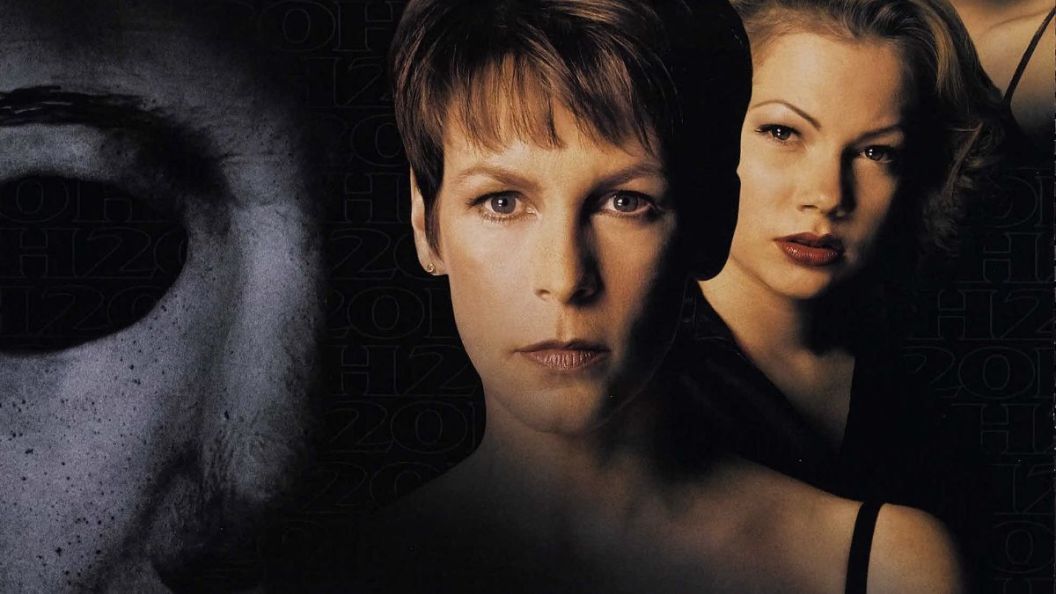
Halloween Franchise: A Cycle of Reboots and Diminished Returns
The Halloween franchise's obsession with reboots has created a cycle of diminishing returns, frustrating fans and complicating its legacy.
Discover the intersection of LGBTQ+ stories and horror with these 45 essential films, spanning classic thrillers and modern takes on the genre.
The horror genre has long served as a canvas for expressing the complexities of identity, fear, and societal norms. Among these tales, LGBTQ+ horror movies have carved out a significant niche, blending elements of fear with narratives that explore the richness of queer experiences. From the early days of cinema to recent releases, this article delves into 45 essential LGBTQ+ horror films, offering insight into their stories, significance, and what they reveal about the evolving landscape of both horror and LGBTQ+ representation.
Whether you are a seasoned horror fan or new to the genre, understanding the essential LGBTQ+ horror films enriches the viewing experience by shedding light on cultural contexts and the evolution of storytelling. This breakdown not only reviews classic staples like Dracula's Daughter but also brings attention to modern gems such as Leviticus, painting a comprehensive picture of this fascinating crossover between fear and identity.
The stories told in LGBTQ+ horror films often resonate deeply with personal struggles, societal fears, and triumphs against adversity. Films like Dracula's Daughter, released in the early 1930s, serve as early explorations of queer identity masked under horror tropes. The film's portrayal of a vampiric woman grappling with her desires and identity acts as a poignant allegory for the struggles of queer individuals in a predominantly heteronormative society.
Modern films like Leviticus introduce fresh narratives that reflect current societal issues. Set against a backdrop of stigma, identity, and survival, it tells the story of marginalized individuals confronting not only their external fears but also their internal demons, making it a powerful piece in the contemporary horror landscape.
As you delve deeper into this list, you'll uncover contributions from various filmmakers who utilize horror not just to scare but to advocate for visibility and understanding. Each film selected represents a unique point of view or specific experience that adds depth and diversity to the genre.
LGBTQ+ horror movies are often defined by their compelling characters who navigate a world rife with danger and intolerance. Characters frequently embody the tensions between identity and society, facilitating poignant storytelling. For example, in Dracula's Daughter, the titular character grapples with her supernatural predilections and her attraction to women, creating a narrative that reflects repressed desires and societal judgment.
In contrast, films like Leviticus feature a cast that might represent a broader spectrum of LGBTQ+ identities. Here, representation expands with diverse characters, including trans individuals and non-binary protagonists, showcasing a range of sexualities and experiences that resonate with many viewers. Each character's journey often mirrors larger themes of self-acceptance, resilience, and the fight against systemic oppression, leaving a lasting impact on audiences.
While specific details about the endings of the films in the 45 essential list may vary, they often share a common thread: the resolution of tension surrounding identity. Many films conclude with a cathartic moment of acceptance or, alternatively, a chilling twist that leaves viewers questioning societal norms.
For instance, a film may conclude with a dramatic revelation that forces characters—and by extension, viewers—to confront their fears about societal acceptance and self-identity. These endings serve not only as thrilling conclusions but also as potent reflections on the realities of being LGBTQ+ in a world that can often be hostile and unwelcoming.
The latest releases like Leviticus are particularly noteworthy for their engagement with contemporary themes, leaving room for discussion about the ongoing struggles of LGBTQ+ individuals. They often end on a note that encourages viewers to reflect, not solely on the horrors depicted, but on the societal constructs contributing to such fears.
As the horror genre continues to evolve, the outlook for LGBTQ+ horror movies is increasingly promising. With a growing recognition of the need for diverse representation, more filmmakers from the LGBTQ+ community are taking matters into their own hands. Audiences can anticipate upcoming titles that break free from traditional horror formulas while weaving in themes of identity, love, and survival.
Additionally, as more creators tell stories centered around queer experiences, it's likely that filmmakers will explore untapped narratives that merge horror with personal and social issues. This trend not only enhances the genre but also fosters deeper conversations around LGBTQ+ representation in media. The success of past titles could pave the way for new releases that push boundaries and redefine what horror can achieve in terms of emotional impact and relatability.
The resurgence of interest in LGBTQ+ horror films can be attributed to several factors. The ongoing conversation surrounding representation in media has sparked a movement among filmmakers and audiences alike. As the horror genre provides a lens through which societal fears can be examined, LGBTQ+ narratives within this context resonate more strongly than ever. Critics and fans are actively seeking out stories that reflect their experiences, making the exploration of these themes essential.
Moreover, the increasing visibility of LGBTQ+ individuals in the film industry means that authentic stories are being told by those who have lived them. This lends an air of credibility and originality to the films being produced, elevating the genre's overall quality and appeal.
Finally, events such as film festivals dedicated to showcasing LGBTQ+ talent further grassroots support, leading to the rise of underrepresented voices. These developments not only amplify awareness but drive the broader conversation about inclusion and representation in the entertainment industry.
As audiences delve into the shadows of horror, the representation of LGBTQ+ experiences shines a light on the complexities of identity, fear, and societal norms. The 45 essential LGBTQ+ horror movies serve as a testament to how horror can provoke thought while simultaneously captivating audiences.
Though some of these films originate from earlier periods characterized by societal restrictions and stereotypes, modern entries illustrate a refreshing approach to storytelling that embraces diversity and progress. This evolving landscape invites both new and seasoned viewers to explore the frightful yet empowering tales that have shaped LGBTQ+ representation in the horror genre.
By examining these films, film buffs and casual viewers alike gain a deeper understanding of their cultural significance, encouraging conversation and connection. As this genre continues to grow, it opens the door to new possibilities, reminding us that in horror, there is not just fear, but the strength found in confronting who we truly are.
Movie explanation
EpisodeBreakdown may use automated tools to assist research, drafting, and formatting. Published pages are governed by our editorial and corrections policies, and source links are shown when they are available in the article record.
Discovery source: Rotten Tomatoes News. The source identifies where the topic was discovered; EpisodeBreakdown is responsible for the commentary published on this page.
Reader response
Reactions and poll results are based on real reader responses. No account is required.
Explore the dynamics behind the soaring success of the highest-grossing films, revealing trends and standout moments in cinematic history.