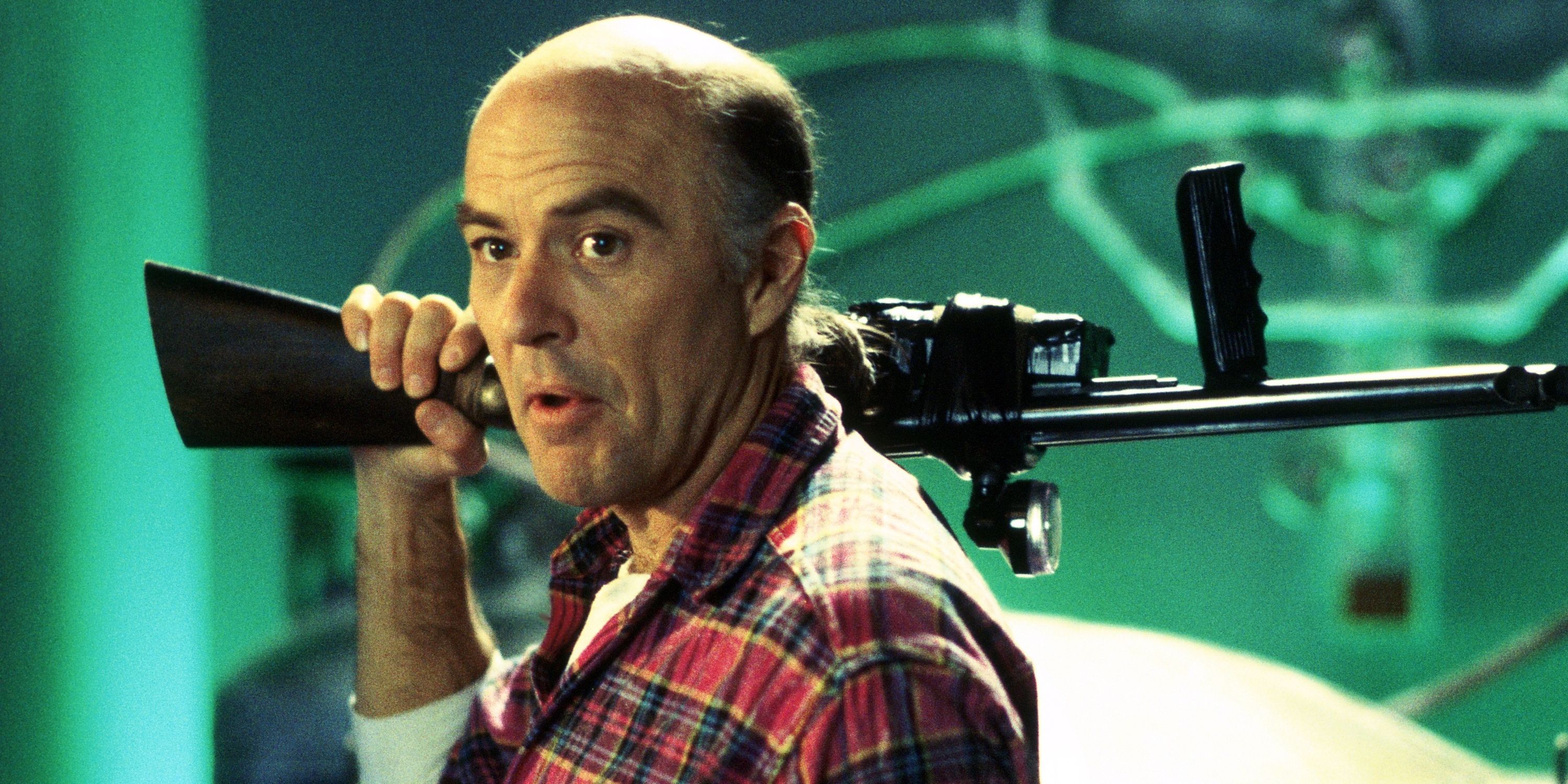
47 Ronin Director Convicted: A Deep Dive into the Scandal
The world of cinema is no stranger to controversy, but recent developments surrounding the director of 47 Ronin have sent shockwaves through Hollywood. Carl Rinsch, the man behind the visually stunning but commercially underperforming film, has been convicted for scamming Netflix out of a staggering $11 million. This incident not only raises questions about the integrity of creative professionals but also highlights the potential pitfalls within the streaming industry.
The Story Behind the Scam
Rinsch's conviction stems from a series of fraudulent activities that misled Netflix into believing that 47 Ronin was a project worth the hefty investment. The film, which starred Keanu Reeves, was originally marketed as a grand cinematic experience blending action and myth. However, the reality of its production costs and the resultant financial outcomes were vastly different.
As details of the scam emerged, it was revealed that Rinsch had inflated production costs and falsified documents to secure the funding from Netflix. This kind of deception not only undermines the trust between filmmakers and streaming platforms but also casts a shadow over the entire film industry.
Keanu Reeves' Plea for Leniency
In an unexpected twist, Keanu Reeves, the film's lead actor, made headlines by pleading for leniency on Rinsch’s behalf. Known for his kindness and humility, Reeves emphasized the importance of understanding the pressures filmmakers face. He argued that while Rinsch's actions were wrong, it is crucial to consider the broader context of the entertainment industry, where financial pressures can lead even the most creative minds astray.
Despite Reeves' heartfelt plea, the court did not take a lenient stance. Rinsch was sentenced to prison time, which could serve as a cautionary tale for other filmmakers about the consequences of unethical behavior in the pursuit of funding and success.
What This Means for the Industry
The conviction of Carl Rinsch shines a light on the ongoing challenges facing filmmakers in today's highly competitive and financially driven film landscape. As streaming services like Netflix continue to invest heavily in original content, the risk of fraud and mismanagement increases. This case could prompt platforms to re-evaluate their vetting processes for projects, ensuring that filmmakers are held accountable for their financial practices.
Moreover, this scandal could affect the relationship between filmmakers and streaming platforms. With trust being a crucial element in these partnerships, incidents like this could lead to more stringent contracts and oversight, potentially stifling creativity in the long run.
The Legacy of 47 Ronin
While 47 Ronin was not a critical darling, it did offer audiences a unique blend of action and fantasy, and its production was visually rich. However, the cloud of scandal now hangs over its legacy. Fans and critics alike may struggle to separate the film’s artistic merits from the unethical actions of its director.
This case serves as a reminder that the world of filmmaking is not just about creativity; it is also about accountability and integrity. As the industry continues to evolve, the hope is that such incidents become rare, allowing genuine talent and innovation to thrive without the shadow of deceit.
Conclusion
The fallout from Carl Rinsch's conviction for scamming Netflix is far-reaching, impacting not only his career but also the broader film industry. The plea from Keanu Reeves highlights the need for empathy in understanding the pressures of filmmaking, yet the legal repercussions underscore the necessity for ethical conduct. As the landscape of cinema continues to shift with the rise of streaming platforms, this incident serves as a crucial lesson for filmmakers and investors alike.
As audiences, we must remain vigilant and support projects that uphold integrity and creativity. The future of cinema depends on it.
47 Ronin Director Convicted: A Deep Dive into the ScandalThe Story Behind the ScamKeanu Reeves' Plea for LeniencyWhat This Means for the Industry
EpisodeBreakdown may use automated tools to assist research, drafting, and formatting. Published pages are governed by our editorial and corrections policies, and source links are shown when they are available in the article record.
Discovery source:CBR Movies. The source identifies where the topic was discovered; EpisodeBreakdown is responsible for the commentary published on this page.
Reader response
What did you think?
Be the first to react
Reactions and poll results are based on real reader responses. No account is required.
Continue the story
movies
Box Office Titans: An Analysis of the Top Grossing Films
Explore the dynamics behind the soaring success of the highest-grossing films, revealing trends and standout moments in cinematic history.Read next →