Spider Man
5 Clint Eastwood Western Movies That Are Still 10/10 Masterpieces
Explore five Clint Eastwood Western films that have earned their place as 10/10 masterpieces, showcasing the legend's iconic contributions to the genre.
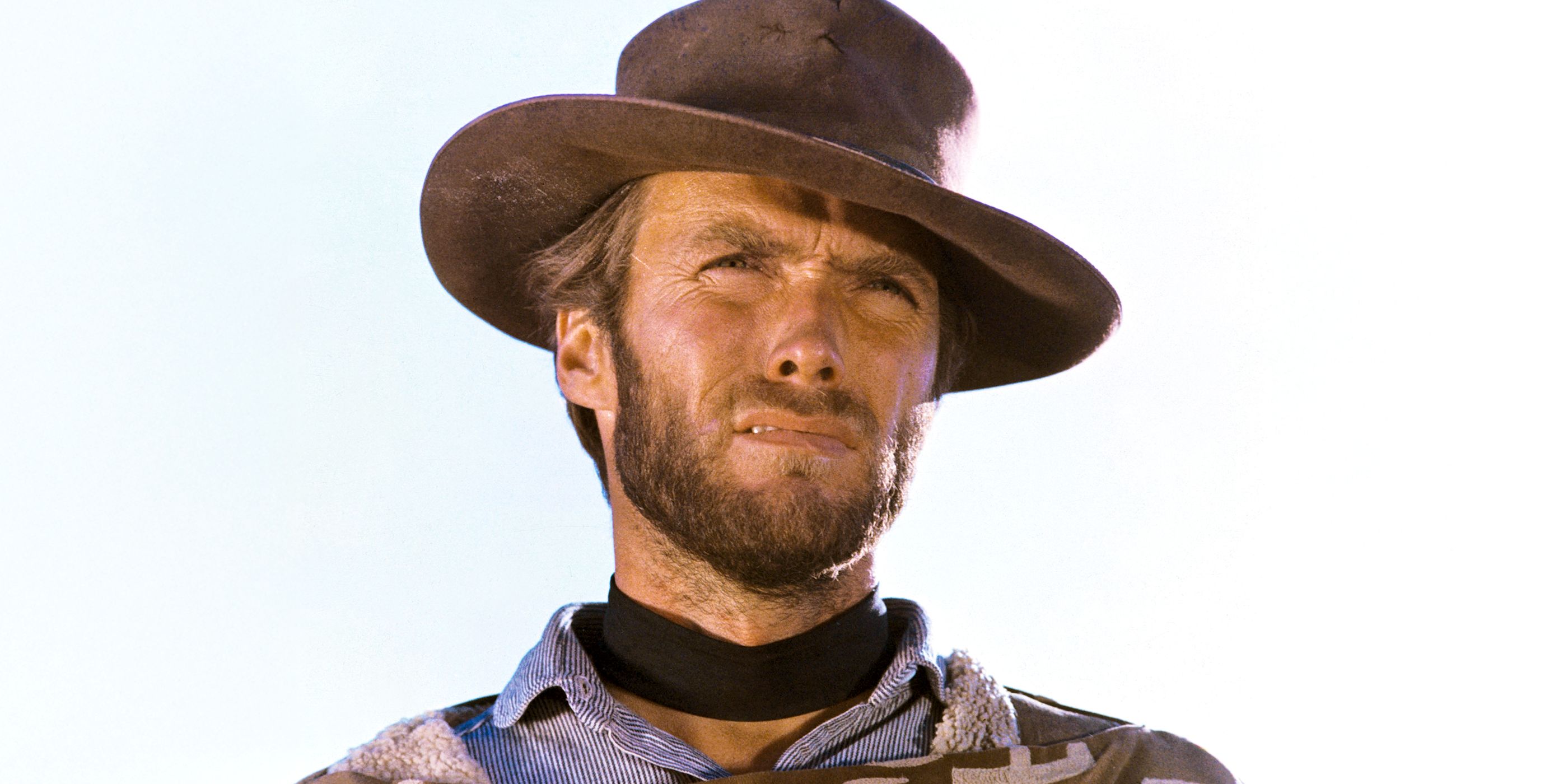
Explore five Clint Eastwood Western films that have earned their place as 10/10 masterpieces, showcasing the legend's iconic contributions to the genre.
Clint Eastwood’s touch on the Western genre has left an indelible mark on cinema, crafting films that not only defined the Western but elevated it to an art form. With a cinematic career spanning decades, Eastwood's ability to craft compelling narratives and memorable characters has solidified his status as a film icon. In this breakdown, we explore five Clint Eastwood Western movies that remain 10/10 masterpieces, warranting a closer look at their stories, characters, and legacies.
From the gritty landscapes of the Old West to profound explorations of morality, these films demonstrate Eastwood's exceptional storytelling capabilities. Key highlights include his distinctive character portrayals and the themes that resonate deeply, making these Westerns timeless classics. Whether it’s the tale of redemption or the harrowing choices of gunmen, these masterpieces create a lasting impact.
A Fistful of Dollars (1964)
As the inaugural film in Sergio Leone's 'Dollars Trilogy,' A Fistful of Dollars sees Eastwood as the enigmatic Man with No Name. Set in a town ravaged by two feuding families, this film sets a new standard for Westerns, blending action and intrigue. It introduces viewers to a morally ambiguous world where Eastwood’s character plays both sides to turn the conflict to his advantage.
For a Few Dollars More (1965)
The sequel to A Fistful of Dollars, this film further develops Eastwood’s character and examines themes of revenge and justice. Eastwood teams up with a bounty hunter portrayed by Lee Van Cleef, leading to a thrilling showdown against a notorious criminal. The story deepens with complex relationships and intense standoffs, setting a new bar for narrative depth in Westerns.
The Good, the Bad, and the Ugly (1966)
Perhaps the most iconic of the trilogy, this film showcases a pivotal showdown during the American Civil War. Eastwood plays Blondie, who, alongside Tuco and Angel Eyes, embarks on a treasure hunt. The intricate interplay of the characters highlights themes of morality, greed, and betrayal, all set against an expansive Western backdrop. The film’s cinematography and Ennio Morricone's haunting score add to its legendary status.
Unforgiven (1992)
With Unforgiven, Eastwood not only stars but also directs, offering a more reflective take on the Western genre. The story revolves around William Munny, a retired gunman drawn back into violent ways by a bounty placed on a group of cowboys. The film tackles the myths of the Old West, confronting the harsh realities of violence and redemption. It subverts traditional tropes, making it a profound exploration of humanity and moral ambiguity. After winning multiple Academy Awards, it is celebrated as one of the greatest Westerns of all time.
High Plains Drifter (1973)
In this haunting film, Eastwood plays a mysterious drifter who arrives in a lawless town. Tasked with protecting the town against vengeful outlaws, the film's eerie atmosphere and impactful storytelling provide a twist on classic Western motifs. The narrative unfolds with the drifter revealing the dark history of the town, culminating in a tale of vengeance and moral questioning.
Each film is anchored by strong characterizations, especially Eastwood's iconic roles:
Alongside Eastwood, these films feature a diverse cast of characters, from fellow bounty hunters to ruthless villains, each adding depth and tension to the story arcs.
The endings of these films align closely with their overarching themes:
Clint Eastwood continues to be a significant figure in modern cinema, with audiences often yearning for remakes, reboots, or spiritual successors to classic films. As discussions around legacy and impact grow, there is potential for Eastwood’s style to influence a new generation of filmmakers. Future projects may delve deeper into the themes explored in his classic Westerns, resonating with contemporary audiences while retaining the essence of what made these films quintessential.
The resurgence of interest in Western films aligns with a broader cultural fascination with classic cinema and the crafting of authentic narratives. As filmmakers and audiences seek to explore themes of morality, redemption, and the human condition, Eastwood’s works serve as pivotal reference points. The ongoing discussions surrounding his filmography highlight both the artistic value and cultural importance of the Western genre, prompting new evaluations of these timeless masterpieces.
Clint Eastwood's Western films represent a bridge between the traditional depiction of the Old West and deeper explorations of human experience. Each film is distinct, yet together they create a cohesive narrative about morality, vengeance, and redemption. These masterpieces have earned their place in cinematic history, not just as genre-defining works, but as profound studies of humanity that remain relevant across generations. As we celebrate Eastwood's legacy, we encourage both seasoned enthusiasts and newcomers to delve into these iconic films that continue to inspire and captivate.
Movie explanation
EpisodeBreakdown may use automated tools to assist research, drafting, and formatting. Published pages are governed by our editorial and corrections policies, and source links are shown when they are available in the article record.
Discovery source: Collider. The source identifies where the topic was discovered; EpisodeBreakdown is responsible for the commentary published on this page.
Reader response
Reactions and poll results are based on real reader responses. No account is required.
Explore the dynamics behind the soaring success of the highest-grossing films, revealing trends and standout moments in cinematic history.