Rediscovering 2000s Psychological Thrillers: Hidden Gems
Explore overlooked psychological thrillers from the 2000s, analyzing their themes and character choices.
A closer look at five iconic spies who surpass James Bond's capabilities.
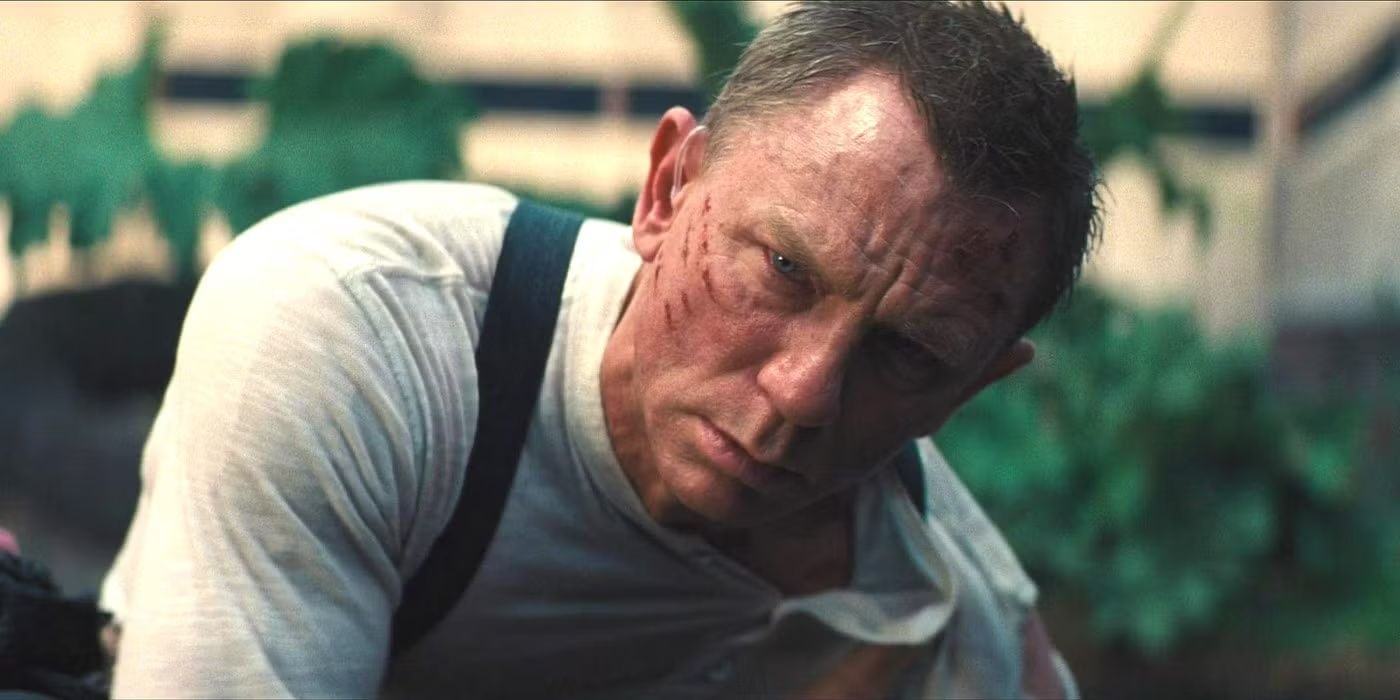
In simple terms, the central question posited by the discussion of spy cinema is whether any spies are genuinely more capable than James Bond, the archetype of the suave and prepared secret agent. Indeed, the consensus leans toward an affirmative answer, as there are compelling examples of five heroes who showcase extreme adaptability, resourcefulness, and depth in their espionage skills compared to Bond.
What happened is a reflective exploration of spies like Ethan Hunt, Jason Bourne, George Smiley, Lorraine Broughton, and Harry Hart reveals qualities that elevate them above the classic 007. These characters bring unique perspectives and skills to their missions, often favoring cunning over sheer physical prowess and gadgetry.
Ethan Hunt from the Mission: Impossible series exemplifies relentless determination and adaptability. Unlike Bond, who often relies on gadgets and luxury, Hunt's primary strength lies in his resourcefulness and ability to improvise in dire circumstances. His mindset—taking calculated risks even when the odds seem overwhelmingly against him—sets him apart as a formidable agent. The Mission: Impossible films illustrate his credibility as a skilled operative who is unwilling to back down from any challenge, whether it involves a devastating virus or thwarting a nuclear threat. Hunt's unwavering faith in his team lends credibility to his character, highlighting the importance of trust and teamwork in the world of espionage.
Another significant example is Jason Bourne, portrayed by Matt Damon. Bourne presents a darker take on the spy genre, emphasizing survival and the consequences of espionage. Known for his exceptional training and expertise, he finds himself grappling with identity crises and government conspiracies. In a world where operatives are often disposable, Bourne's exceptional abilities make him an enduring force, capable of outsmarting and outmaneuvering his enemies. His capacity to vanish and evade danger unparalleledly illustrates survival as a dual theme—both physical and psychological. This duality makes Bourne's character not only tough but also incredibly complex, setting him apart from Bond, who often remains unflappable despite the chaos around him.
On the opposite end of the spectrum, George Smiley epitomizes the power of subtlety and intellect as showcased in Tinker Tailor Soldier Spy. Smiley's character diverges from the action-packed antics typical of spy flicks and emphasizes psychological warfare. He operates beneath the radar, often leading enemies to underestimate him. His understated demeanor allows him to gather intelligence not through pugilism but rather through understanding human behavior and manipulation. The stark contrast between his methodical approach and Bond's flashy style highlights an essential theme in espionage: sometimes, the most effective way to defeat an adversary is through sheer intellect.
Through Atomic Blonde, Lorraine Broughton, portrayed by Charlize Theron, brings a new dimension to spy casting. Broughton’s narrative centers on trust and betrayal, set against the complex backdrop of the Cold War. Unafraid to engage in brutal combat, her character embodies the characteristics of a spy who is not only acutely aware of her environment but also combative when necessary. Unlike Bond's more straightforward allegiances, Broughton navigates tenuous alliances with finesse. Her multifaceted personality and approach to conflict accentuate the complexities affiliated with double agents and the moral ambiguities of espionage, adding to the depth of her character.
Lastly, Harry Hart from Kingsman: The Secret Service introduces a unique blend of comedy and action. Colin Firth's portrayal of Hart emphasizes a gentlemanly aspect of the spy genre often lacking in the portrayal of figures like Bond. While maintaining a level of sophistication and suave charm, Hart’s character excels because of his composure, using emotional intelligence to propel his missions. He seamlessly combines high-stakes action with emotional reasoning, making him an effective operative. This layered personality enhances the film's meta-commentary on spy tropes, allowing Hart to access victory without resorting to over-the-top violence or melodrama.
The contrasting capabilities of these spies underscore themes of emotional intelligence, moral ambiguity, resourcefulness, and subtlety over mere bravado. While Bond often embodies the archetype of the bespoke agent equipped with anything from gadgets to fast cars, these five spies demonstrate that true capability often lies in adaptability and intelligence.
The varied methodologies of these heroes allow for a deeper exploration of what it truly means to be 'capable' in the world of espionage. Whether it’s Hunt’s teamwork, Bourne’s survival instinct, Smiley’s intellect, Broughton's complexity, or Hart’s gentlemanly approach, each character offers something unique that expands the definition of a capable spy.
In concluding the analysis of these five spies, it is clear that while James Bond may remain the face of spy cinema, he is far from the only operative capable of navigating the high-stakes world of espionage. Each character showcases a combination of elements that add resonance to their narratives, spreading the notion that capability in espionage is far more multifaceted than what appears on the surface.
Thus, the discussion extends beyond the simple comparison of abilities and delves into the intricacies that define these unforgettable characters.
The revelations about these iconic spies suggest that audiences crave complexity and depth in their heroes. It emphasizes the continued evolution of the genre beyond the stereotypical suave spy and redefines what audiences expect from their cinematic agents. With a growing appetite for authenticity and realism, future spy films may increasingly draw on these mental and emotional strengths showcased by Hunt, Bourne, Smiley, Broughton, and Hart. The result is that the legacy of James Bond may shift as new heroes rise, each bringing their own unique traits and capabilities to the arena.
Movie explanation
EpisodeBreakdown may use automated tools to assist research, drafting, and formatting. Published pages are governed by our editorial and corrections policies, and source links are shown when they are available in the article record.
Discovery source: CBR Movies. The source identifies where the topic was discovered; EpisodeBreakdown is responsible for the commentary published on this page.
Reader response
Reactions and poll results are based on real reader responses. No account is required.