
Rediscovering 2000s Psychological Thrillers: Hidden Gems
Explore overlooked psychological thrillers from the 2000s, analyzing their themes and character choices.
The Odyssey has swiftly surpassed Oppenheimer at the box office, revealing its cultural impact as well as ongoing debates about its thematic depth.
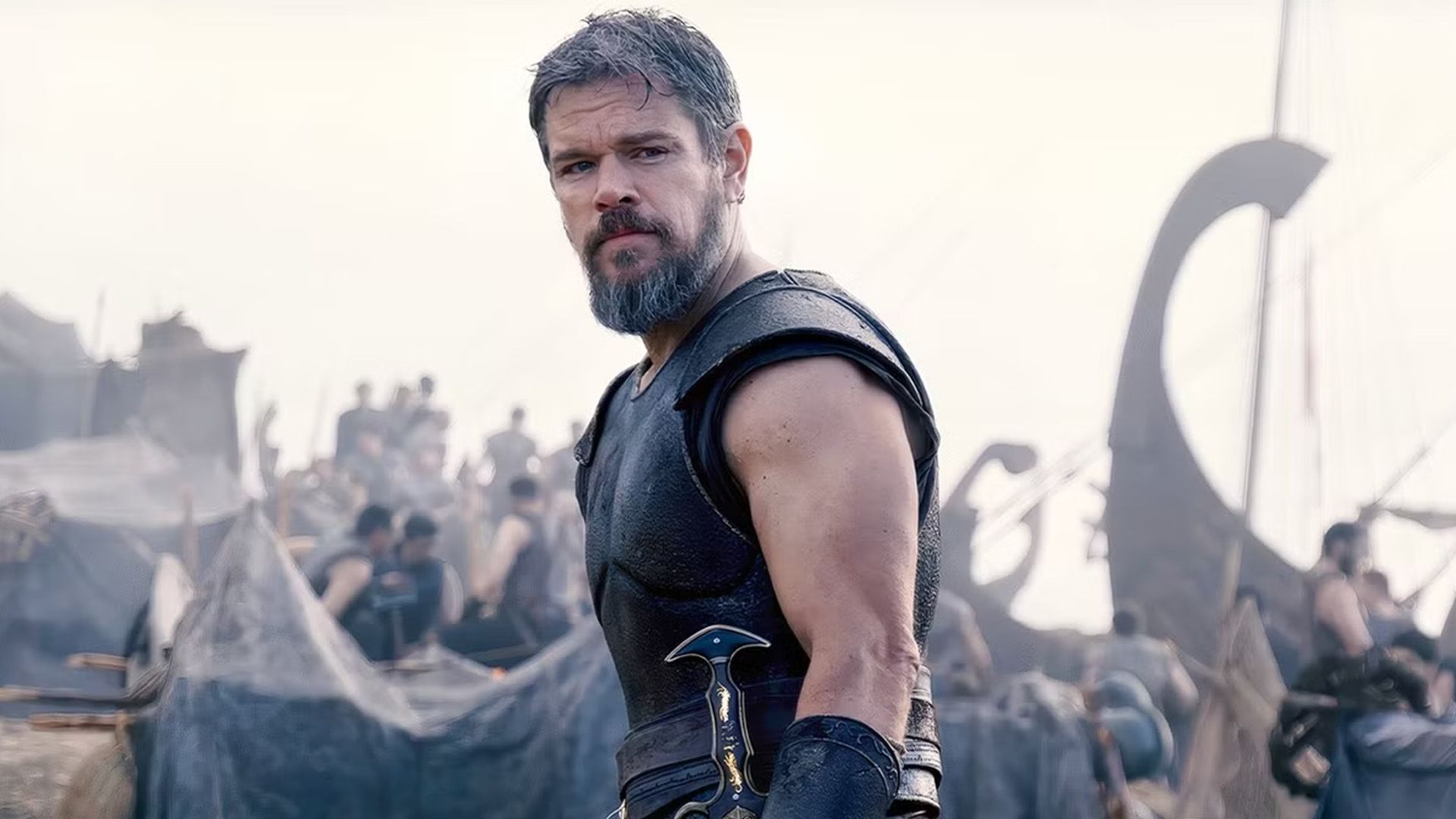
In simple terms, The Odyssey, directed by Christopher Nolan, has not only captured the imaginations of audiences but has also outperformed his acclaimed film Oppenheimer at the box office in an astonishingly short time. Within 13 days, the film grossed over $330 million domestically, eclipsing Oppenheimer's entirety run of 595 days to achieve that milestone. This rapid financial success raises an essential question: What allows The Odyssey to resonate so powerfully with viewers?
The Odyssey adapts Homer's timeless tale, bringing to life the legendary journey of Odysseus, portrayed by Matt Damon, as he battles both mortal and divine challenges to reunite with his wife, Penelope (Anne Hathaway). This adaptation updates the ancient themes of love, loyalty, and the quest for home in a contemporary cinematic setting. Despite its ancient roots, Nolan's interpretation appears to redefine heroism for a modern audience, intensifying the emotional stakes and underscoring Odysseus's vulnerabilities.
What’s confirmed from early feedback is that the casting choices have uniquely energized the narrative. Tom Holland takes on the role of Telemachus, Odysseus's son, while Robert Pattinson portrays Antinous, the suitor. Their performances contribute depth to the family dynamics that underpin the hero’s journey, highlighting the emotional turmoil that often plays out behind great adventures.
Following its soaring first weekend, the film collected $14.7 million on that Monday, with projections suggesting an ongoing trend of high earnings. While it is currently sitting atop the box office charts, the approach of other films, such as Spider-Man: Brand New Day, introduces challenges that could potentially dilute its staggering performance. Analysts predict a potential 50% softening in sales during its third weekend.
The notoriety of Oppenheimer only serves to heighten The Odyssey’s accomplishment. As Nolan's historical film had already set impressive benchmarks, The Odyssey's success becomes not just a victory for its own narrative but a statement against perceived cinematic giants.
Interestingly, while the audience's response has largely been enthusiastic, the film has not escaped scrutiny, particularly from literary critics. Emily Wilson, the translator of the original Odyssey, articulated her disappointment, claiming the adaptation lacked depth in character development and thematic clarity. Her critique emphasizes a stark contrast in perspectives: while the general audience revels in the film's visual grandeur, some experts foresee its narrative inconsistencies.
This viewpoint raises questions about the balance between artistic license and fidelity to source material, as Nolan often diverges from traditional storytelling conventions. Critics argue that while grand themes and visually stunning sequences captivate, they may come at the cost of character complexity and engagement with the source material on a deeper level. Nolan's track record for ambitious storytelling often leads to polarized opinions when adapting revered texts.
Market analysts are weighing the significant financial triumph of The Odyssey against its cultural implications. Having grossed nearly $640 million globally, it currently stands as the year’s highest-grossing R-rated film in North America. If it continues on this trajectory, it may secure its place as one of Nolan’s most financially successful projects, just behind The Dark Knight and The Dark Knight Rises.
As Nolan continues to redefine modern cinema and challenge expectations within the industry, The Odyssey reflects a broader trend where epic storytelling is sought after in blockbuster formats. It exemplifies a formula where compelling visuals, contemporary performances, and high stakes draw in crowds, allowing for exploration of classical themes in a refreshingly contemporary setting.
What makes this successful blend even more noteworthy is the ongoing conversation it prompts about cinematic interpretations of literary works, raising the stakes not just financially but also within critical domains.
As The Odyssey begins to solidify its place in box office history, its implications for Christopher Nolan cannot be overlooked. His direction leads a noticeable shift, affirming that audiences are eager for intellectually engaging narratives that maintain a pulse on popular culture. This bodes well for future adaptations and projects seeking to balance artistry with mass appeal.
The conversation about The Odyssey is just beginning, and audiences are encouraged to explore its deeper themes beyond its spectacle. As Oppenheimer has shown, the potential for complex storytelling in blockbuster films can lead to both commercial and critical success. Nolan's journey with The Odyssey may redefine his artistry while prompting viewers to reconsider their expectations of narratives drawn from ancient tales.
Looking ahead, we can expect a dynamic summer movie landscape as new releases vie for audience attention. Will The Odyssey maintain its momentum against competing blockbusters? Will its financial triumph encourage filmmakers to pursue more adaptations of classical literature? The discussion is far from over; the duality of audience admiration and expert critique ensures that Nolan's The Odyssey will continue influencing how stories are told and received.
The box office patterns and critical reception of the film will be closely monitored to see if this unprecedented success can foster a shift in mainstream cinematic priorities, perhaps favoring depth without sacrificing spectacle. The film’s sustained performance may pave the way for other visual storytelling ventures that similarly blend grandeur with elucidation.
Movie explanation
EpisodeBreakdown may use automated tools to assist research, drafting, and formatting. Published pages are governed by our editorial and corrections policies, and source links are shown when they are available in the article record.
Discovery source: CBR Movies. The source identifies where the topic was discovered; EpisodeBreakdown is responsible for the commentary published on this page.
Reader response
Reactions and poll results are based on real reader responses. No account is required.