Bonus Freebies for PlayStation Plus Subscribers in August 2026
PlayStation Plus subscribers will receive exciting new digital items in August 2026, including free Marvel-themed content and new games.
Delve into the darkest alternate worlds of Marvel where even the mightiest heroes failed to restore order.
Explore the franchise
In simple terms, there are worlds within the Marvel multiverse that are so broken that not even the mightiest heroes could salvage them. Recently, ComicBook.com published an insightful article by David Harth, which explores five of these grim alternate Earths, shedding light on the dire circumstances and failed attempts at heroism. These worlds present a stark contrast to the traditional heroic narratives Marvel is known for and raise questions about the nature of power and failure.
While the multiverse concept is often associated with Marvel, it was first introduced by DC Comics. Marvel's take on the multiverse emerged in 1977 with the What If...? series, which allowed readers to envision scenarios where pivotal events deviated from the familiar storyline. This premise opened doors to countless alternative realities, each with its unique challenges and, sometimes, disastrous outcomes. Harth reminds readers that these stories often delve into darker themes, exploring what happens when heroes fail.
According to Harth, the five alternate Marvel worlds featured in the article are some of the direst existing within the franchise, illustrating stark failures of heroism:
In this timeline, Moira, a pivotal character in the X-Men saga, chooses an alliance with Apocalypse instead of embracing the ideals of Charles Xavier or Magneto. This decision leads to humanity's creation of an oppressive Nimrod Sentinel unit, resulting in the near extinction of mutantkind and a bleak future controlled by artificial intelligence.
Perhaps one of the most iconic dystopian narratives in Marvel lore, this world plunges into chaos following the death of Senator Robert Kelly at the hands of Mystique. As the Mutant Registration Act comes into play, the Sentinels rise to power, ultimately eradicating most superheroes and placing humanity in grim confinement. The pervasive darkness of this alternate reality sets a standard for the genre, and its impact reverberates throughout Marvel’s storytelling.
The relentless villain Ultron achieves his goal of global domination in this twisted reality. After wiping out the majority of Earth's human population, his drones patrol the skies, leaving no hope for survivors. The current despair faced by the remnants of humanity underscores a critical theme in superhero narratives: the weight of failure.
A fan favorite, the Age of Apocalypse presents a world where Apocalypse's rise to power has resulted in a rampant mutant empire dominating a war-torn planet. Humanity's struggles against superior mutant forces frame a disheartening tale of survival and the long-lasting effects of organized warfare.
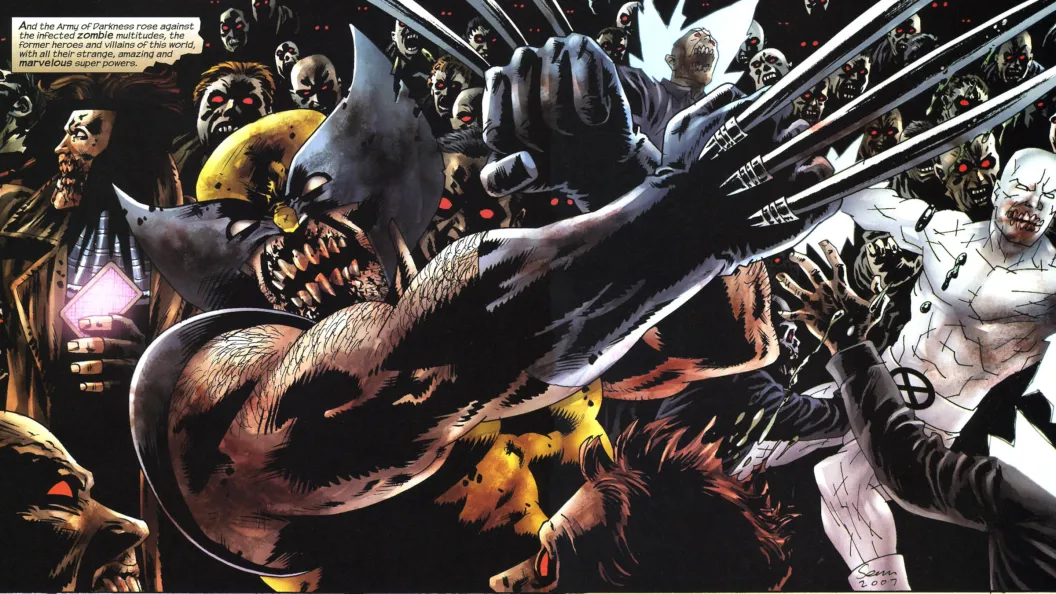
In an ironic twist, this reality sees superheroes and villains become infected by a zombie virus that turns them into an insatiable, undead horde. Reed Richards’ misguided experiment leads to catastrophic consequences, leading to virtually all human life being extinguished. Here, the horror of the modern superhero is brought to life as once-heroes wrestle with their monstrous instincts.
The exploration of these alternate Marvel worlds highlights essential themes regarding the fragility of heroism and the complexities of power dynamics. Fans of the Marvel franchise, especially those intrigued by darker narratives, will find these worlds captivating while also offering cautionary tales about the consequences of choices.
The examination of these narratives also serves as a commentary on the ongoing appeal of the multiverse, allowing creators to push boundaries and explore diverse storytelling pathways. As the MCU continues to expand its multiversal approach, revisiting the darker corners of Marvel storytelling can deepen audience engagement, highlighting the stakes involved in the heroism trope.
For more discussions on the ramifications of character decisions in popular narratives, check out our piece on Marvel's Comic-Con 2026 Presentation: Notable Disappointments and Their Implications.
Understanding these dark alternate realities might change how fans approach current and upcoming Marvel projects. As the multiverse expands, the possibility of stories featuring elements from these dystopian worlds looms larger, promising fresh yet haunting explorations of character arcs and heroism. Agents of Marvel can leverage this rich lore to craft narratives that resonate more profoundly with audiences, striking a balance between light-hearted themes and darker moral explorations.
Readers are encouraged to share their thoughts on which alternate Marvel Earth strikes them as the most terrifying. Engage in the discussion on our forums and check out other articles that delve into alternate realities, like X-Men '97: Nightcrawler's Complex Parentage Explained for another look at the intricate storytelling typical of Marvel's universe.
Entertainment news
EpisodeBreakdown may use automated tools to assist research, drafting, and formatting. Published pages are governed by our editorial and corrections policies, and source links are shown when they are available in the article record.
Discovery source: ComicBook.com. The source identifies where the topic was discovered; EpisodeBreakdown is responsible for the commentary published on this page.
Reader response
Reactions and poll results are based on real reader responses. No account is required.