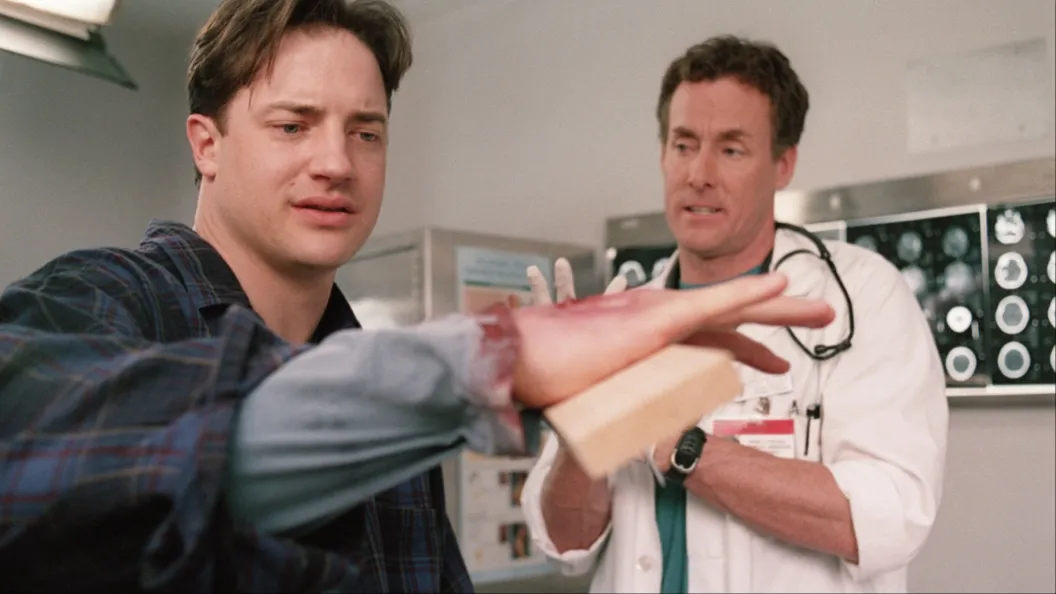
Brendan Fraser's Iconic Role in Scrubs: A Lasting Impact
Brendan Fraser's memorable guest appearances in Scrubs significantly shaped the show, showcasing his talent and creating three outstanding episodes.
The groundbreaking NBC medical drama 'Medic' shocked viewers and critics by showing footage of a real birth when it debuted on NBC back in 1954.

The groundbreaking NBC medical drama "Medic" made headlines upon its debut in 1954 for its unprecedented use of real childbirth footage. The series, which aired on September 13, showcased a vital scene that highlighted the realism that would characterize future medical dramas. According to TVLine, this innovative choice shocked viewers and critics alike, raising the bar for narrative authenticity in television dramas. In a time when medical portrayals on television were largely scripted and sanitized, "Medic" took an audacious step by including genuine footage to depict the birthing process as it truly is.
In its first episode titled "White Is the Color," the show follows a young expectant mother who discovers she has terminal leukemia, a fact not commonly portrayed in media at the time. The narrative culminates in a gripping delivery scene, during which camera crews captured real footage of a birth, including the cutting of the umbilical cord. Richard Boone's character, Dr. Konrad Styner, and his team navigate the complex emotions surrounding both life and death in a hospital setting. Such a commitment to realism was a notable departure from earlier series like "City Hospital," which, while pioneering, lacked the same level of authentic footage. James E. Moser, the creator of "Medic," previously contributed to the influential crime drama "Dragnet," bringing a similar ethos of realism to the medical field.
Upon its premiere, "Medic" not only captivated audiences but also laid the groundwork for many medical dramas that followed. Its portrayal of medical scenarios required more than just scripted dialogue, as the series aimed to depict the harsh realities of healthcare. This groundbreaking approach paved the way for subsequent shows like "ER," "St. Elsewhere," and "House," all of which drew inspiration from "Medic's" commitment to realism. Even though "Medic" was short-lived, airing just two seasons until 1956, its influence is still felt in contemporary medical narratives.
Although "Medic" may not dominate discussions about the top medical dramas of all time, its innovative approach set a precedent that modern series continue to draw from. The recent HBO Max hit "The Pitt" has been noted for its striking childbirth scene, yet it utilized puppetry to represent the scenario instead of real footage—demonstrating how far the genre has evolved since the 1950s. The stark contrast in techniques highlights the evolution of how childbirth scenes are handled in television, underlining "Medic's" role as a seminal influence in the genre.
The legacy of "Medic" exemplifies the risks television shows can take to push boundaries and explore genuine human experiences. As newer medical dramas air, they remain intrinsically tied to the groundbreaking efforts of earlier series that dared to depict sensitive subjects like childbirth authentically. Audiences today may not fully appreciate the impact of "Medic," but its willingness to shock and engage viewers continues to resonate within the landscape of medical storytelling. As future productions look back on this show, they will find both inspiration and a challenging benchmark for creating compelling content in healthcare narratives.
Entertainment news
EpisodeBreakdown may use automated tools to assist research, drafting, and formatting. Published pages are governed by our editorial and corrections policies, and source links are shown when they are available in the article record.
Discovery source: TVLine. The source identifies where the topic was discovered; EpisodeBreakdown is responsible for the commentary published on this page.
Reader response
Reactions and poll results are based on real reader responses. No account is required.