Spider Man
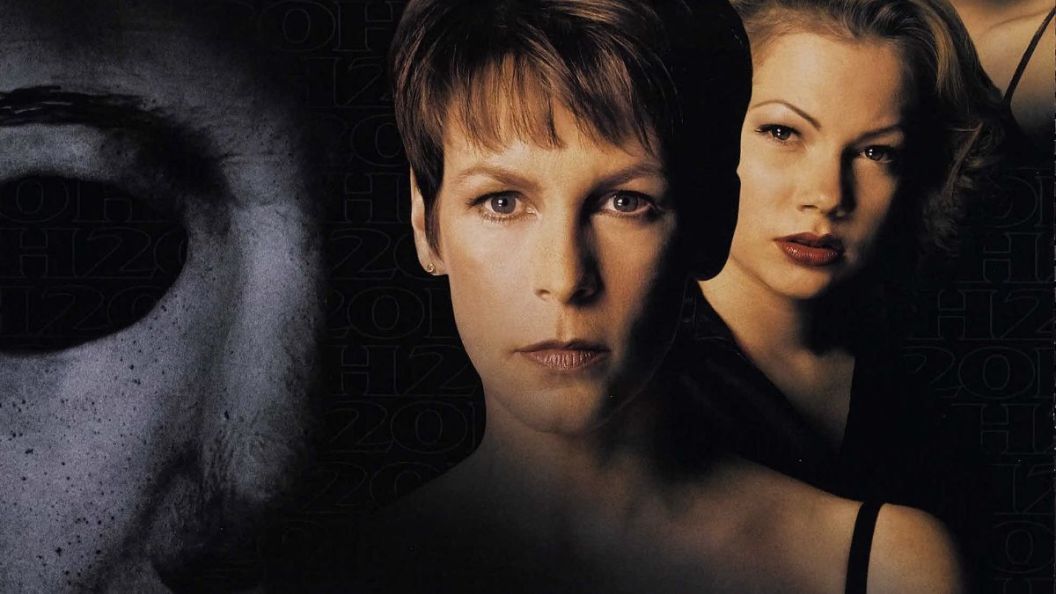
Halloween Franchise: A Cycle of Reboots and Diminished Returns
The Halloween franchise's obsession with reboots has created a cycle of diminishing returns, frustrating fans and complicating its legacy.
Explore the compelling world of Black horror cinema with a closer look at 57 essential films that highlight culture, history, and the horror genre.
Black horror movies have carved out an essential space in the film industry, offering narratives that resonate on cultural, historical, and emotional levels. This article delves into the recent Rotten Tomatoes News feature on The 57 Essential Black Horror Movies, discussing why these films matter and the powerful stories they tell.
The rundown offers a curated list of significant Black horror films, shining a light on classics like Get Out, Eve's Bayou, Candyman, and Blade. Each film not only narrates a gripping story but also provides an insightful commentary on the Black experience in America, often interweaving fantastical elements with real societal fears.
Black horror films have a unique way of addressing themes that resonate deeply with audiences, often challenging stereotypes and societal perceptions. This genre serves as a platform to confront not only supernatural elements but also the systemic horrors faced by the Black community. Films like Get Out, where social commentary and horror blend seamlessly, examine racism and cultural identity, creating a chilling yet reflective viewing experience.
Each essential film features richly developed characters that flesh out the narratives. In Get Out, the protagonist Chris Washington, played by Daniel Kaluuya, navigates the sinister undercurrents of a seemingly inviting family. In Eve's Bayou, the young protagonist Eve, portrayed by Jurnee Smollett, grapples with her understanding of family and the eerie events unfolding around her.
Likewise, Candyman's titular character, rooted in folklore, serves as a terrifying reflection of generational trauma while Blade, played by Wesley Snipes, represents resilience and the fight against dark forces. Each character embodies not just personal but collective struggles, making them relatable to audience experiences.
While the article from Rotten Tomatoes doesn't delve into specific endings or episodes, it's clear that the culmination of these films often leaves a lasting impact. For instance, the ending of Get Out delivers a powerful message about survival and the persistence of trauma, leaving viewers questioning societal norms. In Eve's Bayou, the resolution ties together the threads of mystery and family legacy, presenting a poignant reflection on coming-of-age amidst supernatural troubles.
With the success and popularity of Black horror films, we can anticipate a surge in new projects. The genre continues to evolve, with more filmmakers stepping into the spotlight to tell their stories. Upcoming films by established directors like Jordan Peele hint at innovative angles in horror that intertwine with themes relevant to today’s socio-political climate.
Additionally, the response to this article may lead to discussions about further film festivals featuring Black horror or retrospectives that explore historical contributions to the genre. It’s clear that the spotlight on these films is only growing, paving the way for new narratives to emerge.
The resurgence of interest in Black horror films can be attributed to multiple factors. First, the genre's unique ability to address sensitive cultural issues has resonated profoundly with audiences, sparking conversations around race and identity. The success of films like Get Out and Candyman has garnered widespread acclaim and has reinvigorated the market for horror films made by and for the Black community.
Moreover, the current societal landscape has fueled a hunger for stories that reflect the Black experience authentically, making these films more relevant than ever. The Rotten Tomatoes article captures this moment perfectly by highlighting films that are both entertaining and deeply significant, fueling discussions online and generating buzz in film circles.
The 57 Essential Black Horror Movies is not just a list; it’s a celebration of narratives that are often overlooked in mainstream horror. By acknowledging and analyzing these films, we contribute to the broadening of the genre and ensure that diverse voices are heard and appreciated. From supernatural thrillers to psychological explorations of fear, these films illustrate that horror goes beyond mere entertainment—it's a powerful medium for storytelling and a lens through which societal truths can be examined.
As audiences continue to embrace these iconic films, their importance in the cinematic landscape remains undeniable, promising that Black horror will play a crucial role in the future of the genre.
Whether you are a seasoned fan or new to the genre, now is the time to explore these essential narratives that blend fear with meaningful commentary.
Movie explanation
EpisodeBreakdown may use automated tools to assist research, drafting, and formatting. Published pages are governed by our editorial and corrections policies, and source links are shown when they are available in the article record.
Discovery source: Rotten Tomatoes News. The source identifies where the topic was discovered; EpisodeBreakdown is responsible for the commentary published on this page.
Reader response
Reactions and poll results are based on real reader responses. No account is required.
Explore the dynamics behind the soaring success of the highest-grossing films, revealing trends and standout moments in cinematic history.