Analyzing the Sci-Fi Greats: Hard Films Over 'Project Hail Mary'
Explore must-see hard sci-fi films that surpass 'Project Hail Mary' and highlight rich themes and character depth.
Exploring six standout performances in films where actors portrayed their own family members, shedding light on unique challenges and emotional depth.
In simple terms, the article explores how some actors have portrayed their family members on screen, yielding powerful performances that resonate deeply with audiences. These roles blur the lines between personal history and professional artistry, revealing how intimate insights can enhance portrayals in biographical films. It raises a central question: Can personal connections elevate performances, and how do they impact audience reception?
This inquiry leads us into various turning points within notable films, where familial bonds enhance the artistic narrative. Confirmed performances showcase six actors—Mario Van Peebles, Shia LaBeouf, Geraldine Chaplin, O'Shea Jackson Jr., Tom Hanks, and Jaafar Jackson—each tasked with embodying complex relationships that extend beyond mere physical resemblance. The unique perspectives they bring invite viewers to reconsider the authenticity and depth that familial ties can add to cinematic storytelling.
Mario Van Peebles gave a compelling performance as his father, Melvin Van Peebles, in the biopic "Baadasssss!" This film chronicles the making of the groundbreaking 1971 film "Sweet Sweetback's Baadasssss Song." Although both the biopic and the story it tells are underappreciated, Mario’s portrayal remains critically acclaimed. He provides a nuanced insight into Melvin’s life and work within the context of Hollywood's evolving landscape, especially regarding the blaxploitation genre. By portraying his father, Mario can critique and celebrate Melvin's legacy authentically. Critics praised the depth of emotion and understanding that shaped his performance, particularly as he also wore the hats of director, writer, and producer.
Shia LaBeouf’s performance in "Honey Boy" is strikingly personal, as he plays his father in a semi-autobiographical narrative. Developed during his time in rehab, the film recounts LaBeouf's childhood and the complicated dynamics he experienced growing up. The portrayal is intense and often uncomfortable, revealing familial strife while simultaneously expressing a deep-seated love. Critics noted that LaBeouf’s delivery felt less like acting and more like a raw exploration of his past, offering insights into the troubled journey of a former child star. This layered performance illustrates the ways in which personal trauma can fuel compelling storytelling.
Geraldine Chaplin faced a unique challenge in portraying Hannah Chaplin, her paternal grandmother, who died long before her birth. Her father, Charlie Chaplin, had a complicated relationship with Hannah, marked by both affection and turmoil. While Geraldine lacked personal memories of her grandmother, she drew on her father’s recollections to create a balanced portrayal. This nuanced understanding showcased Hannah's complexities, earning Geraldine critical acclaim, including a Golden Globe nomination. Her performance deftly navigated personal bias to deliver an emotionally resonant character within the structure of a biopic.
O'Shea Jackson Jr. took on the role of his father, Ice Cube, in the 2015 biopic about the groundbreaking rap group N.W.A. Originally, Ice Cube expressed skepticism about his son’s acting abilities, but after a prolonged audition process, O'Shea's dedication shone through. Critics highlighted how he not only shared a familial likeness with his father but also captured the emotional weight of Ice Cube's experiences eloquently. His background in hip-hop provided additional authenticity, enabling a compelling representation of the music icon.
In an unexpected twist of fate, Tom Hanks discovered he is related to the beloved figure Fred Rogers. Despite the lack of direct personal memories to draw upon, Hanks authentically channels Rogers' essence through practiced mannerisms and an innate warmth. His performance required a stillness and restraint that brought Rogers’ kindness to life without the need for exaggeration. Hanks' ability to connect with children and maintain an equal dialogue allowed audiences to experience the gentle wisdom of Mr. Rogers, culminating in multiple accolades for his performance.
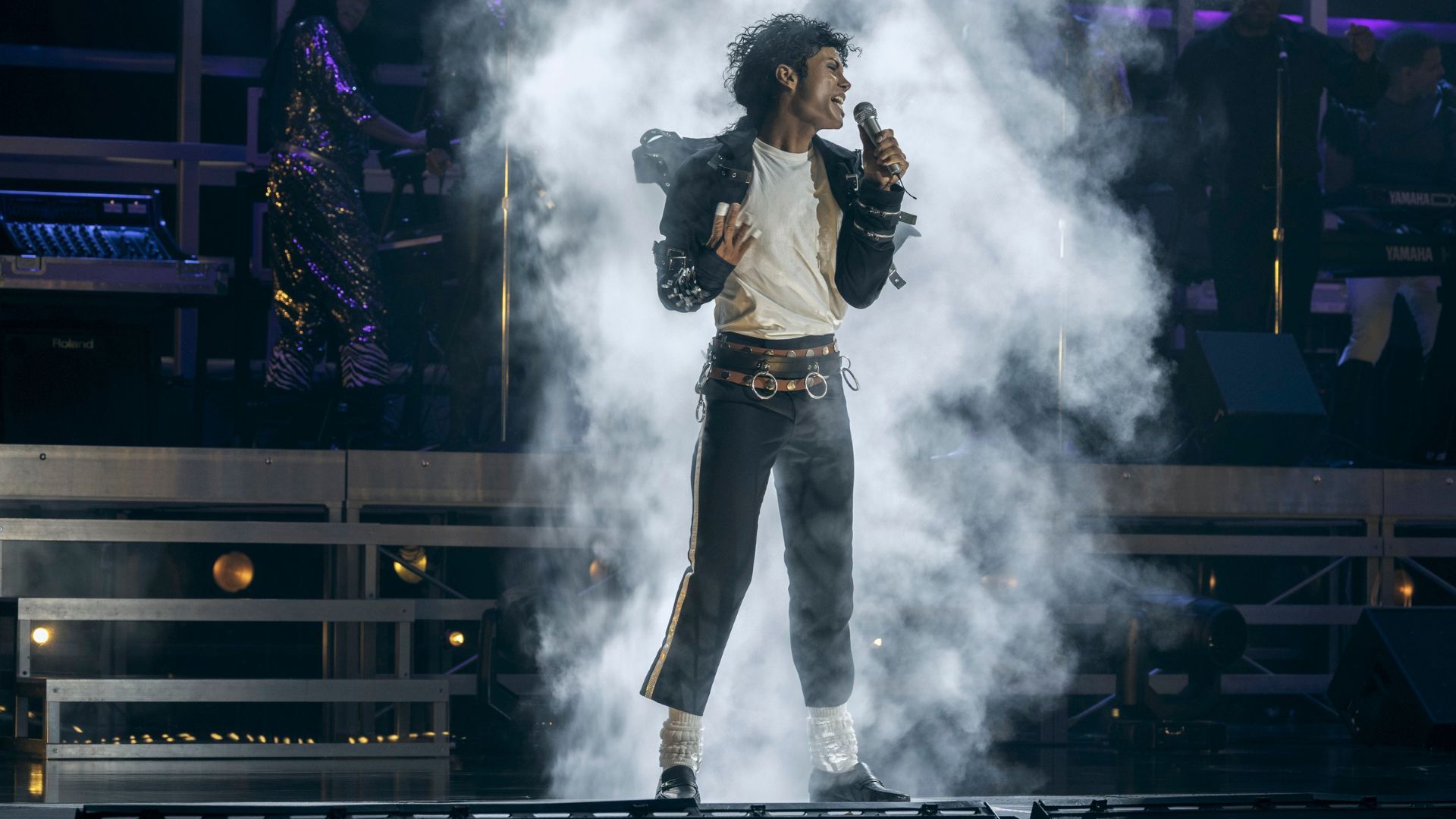
Jaafar Jackson, nephew of the late Michael Jackson, faced immense expectations in his portrayal of the King of Pop. The casting process proved contentious, yet Jaafar's natural talent and resemblance to his uncle made him a compelling choice. His dedication to embodying Michael, from vocal training to mastering iconic dance moves, offered a fresh yet respectful homage to the legendary artist. Critics noted that Jaafar’s ability to capture the essence and emotions of Michael’s persona was uncanny, generating buzz around the film and its prospects.
Common themes emerge throughout these performances, emphasizing how familial connections can serve as powerful storytelling tools. The emotional weight carried by actors who play their relatives enhances authenticity and underscores a shared narrative beyond the screen. Nepotism often receives criticism, yet these examples illustrate that deeply personal portrayals can defy those stereotypes, transforming into art that speaks to universal experiences of love, conflict, and complexity.
Each of these performances has drawn critical acclaim—and not without controversy. Critics praise the emotional depth and authenticity each actor brings to the role, championing the idea that family relationships can foster a unique cinematic experience. Despite some negative discourse surrounding nepotism in Hollywood, these actors have proven that talent, even when influenced by family ties, can lead to profound performances that resonate deeply with audiences.
This exploration into performances where actors portray their family members reveals an intriguing dimension of storytelling in cinema. The balance between personal and professional identities not only enriches the performances themselves but also invites audiences to engage with the narratives on a deeper level. These actors challenge preconceived notions about familial connections within acting, demonstrating that sometimes, rather than complicating a role, shared history can enhance it significantly.
If you're interested in exploring more about how actors absorb their roles or discussions about representations in film, be sure to check out our analyses on analyzing the sci-fi greats, the best mystery movies of the 2020s, and iconic fantasy worlds in film.
Movie explanation
EpisodeBreakdown may use automated tools to assist research, drafting, and formatting. Published pages are governed by our editorial and corrections policies, and source links are shown when they are available in the article record.
Discovery source: CBR Movies. The source identifies where the topic was discovered; EpisodeBreakdown is responsible for the commentary published on this page.
Reader response
Reactions and poll results are based on real reader responses. No account is required.