6 Remarkable Performances Where Actors Portrayed Family
Exploring six standout performances in films where actors portrayed their own family members, shedding light on unique challenges and emotional depth.
Delve into why McCoy’s best line in Star Trek II resonates as the greatest sci-fi quote, reflecting themes of aging, friendship, and self-discovery.
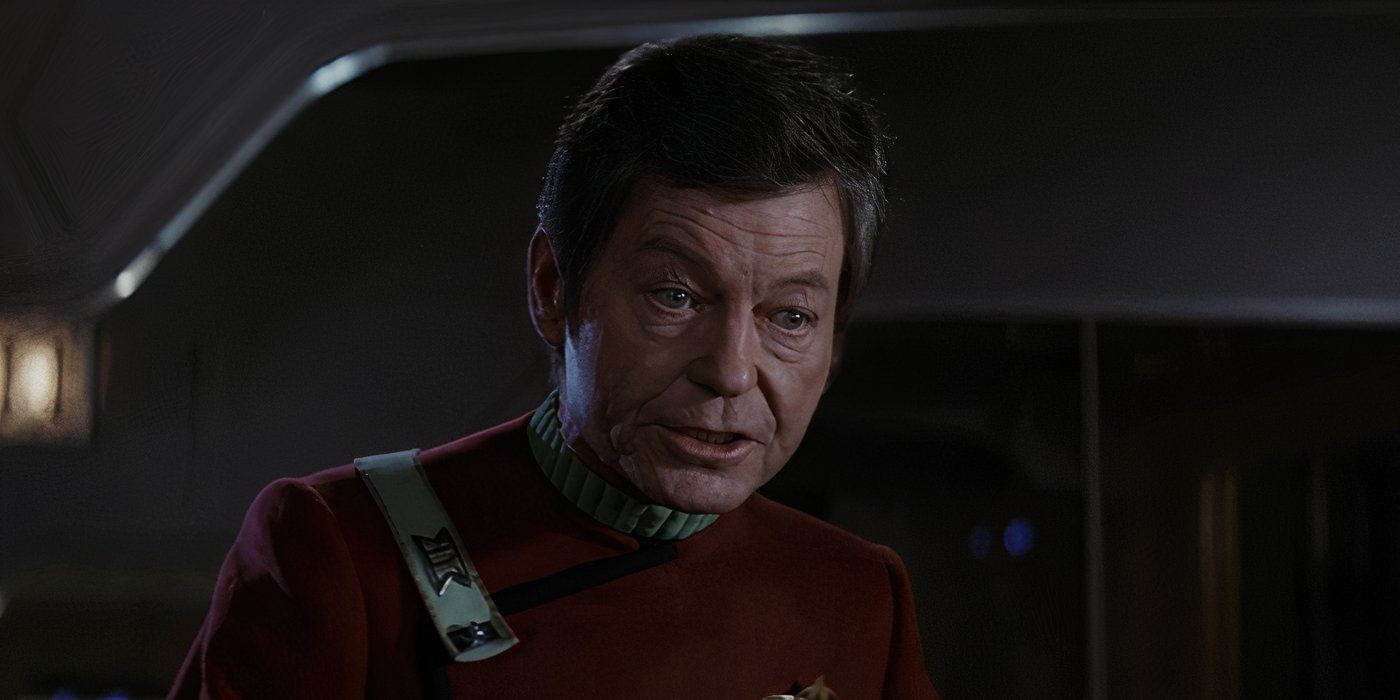
In simple terms, the central question of Star Trek II: The Wrath of Khan, particularly surrounding Dr. Leonard McCoy, is about navigating the complexities of life in the face of aging and personal crisis. McCoy’s poignant quote, “Jim, I'm your doctor, and I'm also your friend. Get back your command! Get it back before you turn into part of this collection, before you really do grow old,” encapsulates this theme by urging Captain Kirk to reclaim his vitality and sense of purpose. This moment cements McCoy as not just a medical officer but also a crucial emotional anchor for Kirk.
The film opens on a note of melancholy, marking Kirk's 52nd birthday as a crossroads in his life. Recently promoted to Admiral, Kirk is removed from his command of the USS Enterprise, leading him into a midlife crisis characterized by feelings of stagnation and inadequacy. The tone is set early on, as Kirk, feeling like a relic amidst new cadets, treats his birthday like a funeral. Here is what is confirmed: the film adeptly portrays the sometimes harsh realities of aging, making the emotional stakes higher as Kirk grapples with his feelings of obsolescence.
McCoy's blunt candor serves as a wake-up call for Kirk, highlighting the importance of friendship and mentorship. He challenges Kirk's passive acceptance of his new role, encouraging him to embrace the adventure that awaits. McCoy understands that Kirk’s true essence lies in exploration, a theme that resonates throughout the film. The dynamic between McCoy and Kirk is grounded in authenticity, showcasing a relationship that combines both professional and personal support.
In addition to affirming the themes of friendship, McCoy’s character represents common humanity against Spock's logical Vulcan demeanor. Not only does he highlight Kirk's internal struggles, but he also embodies a set of values that prioritize emotional growth and self-discovery. As a viewer, it becomes evident that without McCoy’s push, Kirk might have remained in a stagnant and unfulfilling state.
At its core, The Wrath of Khan explores the universal themes of sacrifice, loss, and the quest for revenge, all framed by Kirk's own personal journey. As he faces the vengeful Khan—a character whose motivations stem from grief and obsession—the contrasts between Kirk's acceptance of aging and Khan’s refusal to do so become starkly apparent. Where Khan seeks to destroy, Kirk learns to navigate his past with wisdom and grace.
The film raises significant questions about the nature of leadership and legacy. Kirk's struggle with his own regrets and his eventual confrontation with Khan position him not just as a captain, but as a deeply flawed yet evolving character. This evolution ties back to McCoy’s exhortation for Kirk to reclaim his command; it’s a call for Kirk to recognize that the essence of his character doesn’t diminish with age but evolves alongside it.
Key turning points in the narrative force Kirk to confront his mortality and consider what makes life worth living, leading to some of the film's most memorable moments. The introduction of Kirk's son, David, adds another layer of complexity to his character; it forces Kirk to reconcile his past choices with his desire for a future. In a poignant twist, Kirk learns that his identity extends beyond his past escapades in space.
McCoy's guidance serves as a catalyst for Kirk's eventual resurgence, steering him toward actions that ultimately pave the way to his victory over Khan. The balance between Kirk’s past and present is essential to understanding the film’s overarching message: one’s legacy is shaped not just by what was done, but also by how one chooses to act in the face of future challenges.
The emotional heart of Star Trek II: The Wrath of Khan lies in its focus on friendship and camaraderie. The iconic triumvirate of Bones, Spock, and Kirk is more than just a crew; they embody a family forged through shared experiences and mutual respect. In facing challenges together, they facilitate each other's growth, especially when they navigate personal crises. Each character offers vital perspectives: Spock's logic, Kirk's leadership, and McCoy's emotional insight.
Ultimately, the film argues that friendship can be a powerful motivator for personal renewal. McCoy’s unwavering belief in Kirk not only empowers him to take back command but also serves as a reminder that the passage of time does not diminish one’s potential for adventure and purpose. As Kirk earns his way back into the captain's chair, the audience witnesses a thrilling transformation that signifies hope and reinvention.
The culmination of the story sees Kirk rise to the occasion, flexing his leadership muscles by defeating Khan, but the road to that moment is paved by McCoy’s earlier wisdom. The film's narrative structure emphasizes that the most significant battles are often internal; Kirk's ultimate confrontation is as much against himself and his fears as it is against Khan.
Through his journey, Kirk learns that accepting and embracing the passage of time doesn't negate his spirit or vitality. The theme of renewal based on wisdom, the understanding that with age comes clarity, resonates with audiences even today, challenging the notion that vitality is solely linked to youth.
In conclusion, McCoy’s heartfelt appeal to Kirk encapsulates themes that are as relevant now as they were in 1982. The movie’s exploration of aging, friendship, and self-acceptance transformed it into a timeless classic. As Kirk reclaims his command and approaches his fate with renewed vigor, viewers are left with the poignant reminder that life, regardless of age, is a journey filled with potential. McCoy's wisdom acts as a beacon, guiding Kirk back to his true self, and illustrating the profound impact of genuine friendship.
Through these narrative intricacies backed by strong character arcs, Star Trek II: The Wrath of Khan dismantles the mythology of aging by celebrating the discoveries made in every stage of life, making it a landmark in sci-fi cinema.
Movie explanation
EpisodeBreakdown may use automated tools to assist research, drafting, and formatting. Published pages are governed by our editorial and corrections policies, and source links are shown when they are available in the article record.
Discovery source: CBR Movies. The source identifies where the topic was discovered; EpisodeBreakdown is responsible for the commentary published on this page.
Reader response
Reactions and poll results are based on real reader responses. No account is required.