Mortal Kombat
The Hunted: An Analysis of Trauma and Pursuit
Exploring Tommy Lee Jones' The Hunted, this article examines its themes of trauma, survival, and the echo of The Fugitive.
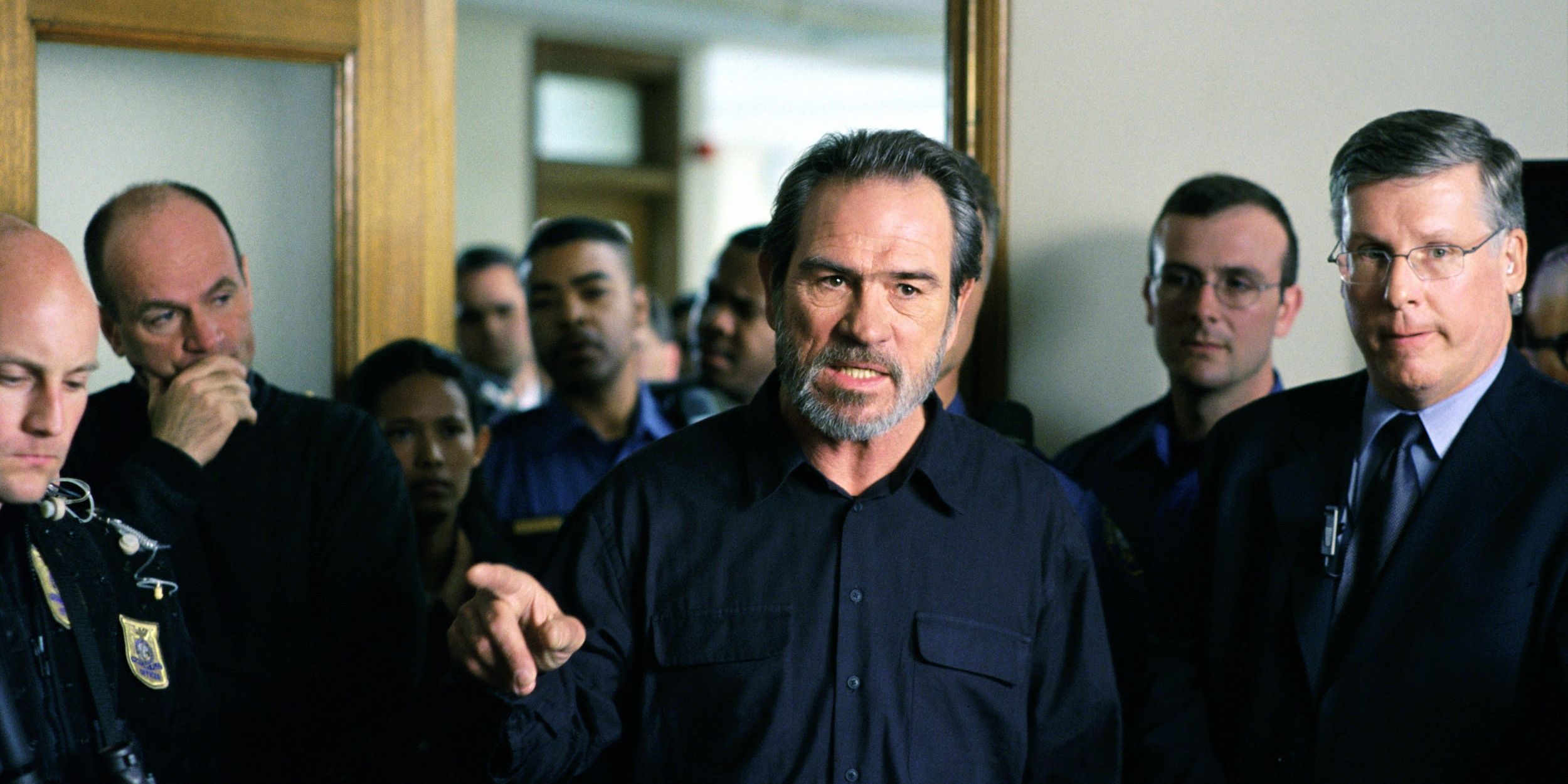
Exploring Tommy Lee Jones' The Hunted, this article examines its themes of trauma, survival, and the echo of The Fugitive.
In simple terms, The Hunted serves as a gripping exploration of trauma and morality, diving into the psyche of a warrior turned rogue. The film poses a central question: Can a person unacknowledgedly become a monster through the horrors of war? The answer unfolds through the intense cat-and-mouse chase that depicts both the brutal consequences of war and the haunting past of its main characters, thus providing an engaging experience for viewers keen on thrillers.
The film echoes the tone and style of The Fugitive, starring Harrison Ford, which cemented Tommy Lee Jones' career as a steadfast lawman. However, while The Fugitive revolves around the pursuit of an innocent man, The Hunted presents a far more complex narrative, showcasing a character who is grappling with his dark tendencies rather than seeking redemption.
The story kicks off with L.T. Bonham, portrayed by Tommy Lee Jones, an expert tracker and former military instructor. His quiet, secluded existence in the Canadian wilderness is disrupted when tragedy strikes: a former student, Aaron Hallam, portrayed by Benicio del Toro, embarks on a killing spree after grappling with the traumatic aftermath of war. This premise leads to the FBI enlisting Bonham to track Hallam, pulling him back into the violent world he tried to escape.
What is confirmed here is Bonham’s journey as a reflection on his past and his role as a mentor—he is a war veteran turned huntsman who inadvertently must confront the skills he once imparted. The fact that Hallam believes he is purging threats arbitrarily complicates the moral narrative, shedding light on how war can unhinge one's ability to distinguish right from wrong.
One of the themes of The Hunted is the portrayal of trauma as a debilitating force. Hallam’s experiences in Kosovo alter his perception, leading him to believe that everyone he encounters in the forest is a threat, resulting in fatal misinterpretations. The film adeptly illustrates how war can leave soldiers with emotional scars that warp their judgment and worldview.
However, the portrayal of Bonham adds yet another layer. He embodies the lone wolf archetype, familiar to fans of survival thrillers. There is an inherent tension in his character reflecting the struggle between embracing his past as a soldier while disavowing the violence that war perpetuated. The dynamic between Bonham and Hallam serves not just as a predator-prey relationship but also as a reflection of mentor and protégé, blurred by the ethical ambiguities of combat.
As the plot progresses, the film offers various clues that contribute to the themes of duality and survival. Bonham’s presence symbolizes the struggle of many veterans; he is not just tracking Hallam but is also, in a sense, tracking himself. This internal conflict between the soldier he was and the peacekeeper he aims to be serves as a poignant commentary on the struggles of veterans in reconciling their past with their present.
Moreover, the woods serve as a character in itself, presenting an environment imbued with peril but also chance for reflection and clarity—it's here that Bonham must confront his own identity amidst his pursuit of Hallam. The wilderness starkly contrasts the chaos of war, presenting an opportunity for survival that hinges on mental fortitude as much as physical prowess.
The film’s climax arrives when Bonham closes in on Hallam, leading to a dramatic confrontation that weighs survival against morality. This culmination is not merely about capturing Hallam but confronting the darkness that both characters embody. Bonham’s decision-making is pivotal—he is faced with the choice of adhering to the law or understanding Hallam's trauma, representing the complexities of justice when intertwined with personal history.
While the ending may not provide definitive closure, it gives viewers room to ponder the lasting impact of war both on its participants and society. The cyclic nature of trauma and redemption resonates, illustrating the film’s underlying commentary on the costs of combat.
The Hunted can be seen as a spiritual successor to The Fugitive, expertly retaining the taut, cat-and-mouse tension that characterized the earlier film. However, the darker themes and explicit acknowledgment of trauma set it apart as a unique entry in the thriller genre. While it falls short of the box office success of its predecessor, it manages to carve out a niche for itself among those who appreciate a nuanced approach to storytelling.
Tommy Lee Jones, whose association with lawmen began with The Fugitive, continues to deliver compelling performances, further solidifying his range well beyond the conventional roles of heroism. Viewed in this context, The Hunted is not just a forgotten thriller but a vital exploration of character and consequence.
The Hunted invites viewers to not only witness a thrilling chase but also to reflect on the deeper implications of trauma and morality in a post-war world. Serving as both an homage to The Fugitive and a commentary on the human condition, the film is a reminder of the complexities of heroism and the shadows cast by our past decisions, making it a significant work worthy of revisiting for those seeking a deeper understanding of seen and unseen battles.
Whether you're drawn to the intense action or the psychological depth, The Hunted stands as a testament to the enduring nature of survival stories and their exploration of what it means to be hunted, whether physically or psychologically. For those who enjoyed The Fugitive, this film offers a darker, yet equally captivating perspective on the age-old cat-and-mouse chase, making it a compelling watch.
Movie explanation
EpisodeBreakdown may use automated tools to assist research, drafting, and formatting. Published pages are governed by our editorial and corrections policies, and source links are shown when they are available in the article record.
Discovery source: CBR Movies. The source identifies where the topic was discovered; EpisodeBreakdown is responsible for the commentary published on this page.
Reader response
Reactions and poll results are based on real reader responses. No account is required.
Director Simon McQuoid discusses the creative direction behind 'Mortal Kombat II', now available on digital and 4K UHD Blu-ray.