Mortal Kombat
Exploring Iconic Fantasy Worlds in Film
Delve into the magical realms of film with analyses of iconic fantasy worlds from classics to modern interpretations.
Delve into the magical realms of film with analyses of iconic fantasy worlds from classics to modern interpretations.
In simple terms, the central question we explore is: what makes the worlds in fantasy films resonate with audiences? The answer lies in a delicate balance between imagination and relatability. Fantasy worlds are vivid and rich in detail, often reflecting elements of our own reality while transporting viewers to places of wonder and excitement. In examining ten standout movies known for their incredible worlds, we reveal how meticulous world-building and immersive storytelling contribute to their iconic status.
One key element of these fantasy films is exceptional world-building. Movies like The Lord of the Rings and Alice in Wonderland succeed in creating expansive and vivid environments. Middle-earth, with its diverse landscapes from the serene Shire to the ominous Mordor, exemplifies a detailed world that feels deeply lived-in. This careful attention to the physical setting enriches the narrative and gives characters a backdrop against which their stories unfold. Furthermore, the fluidity of technology, combining CGI with practical effects, enhances the viewer's experience, allowing specters of fantasy to feel tangible.
Conversely, in the Alice in Wonderland adaptation, we find a vibrant yet nonsensical world that captivates viewers with its charm. The whimsical nature of Wonderland, with its eccentricities and peculiar inhabitants, creates a place of absurdity and delight. Yet, beneath the fun lies an understanding of the darker themes that reflect fears and uncertainties—drawing audiences into a timeless dialogue with the bizarre.
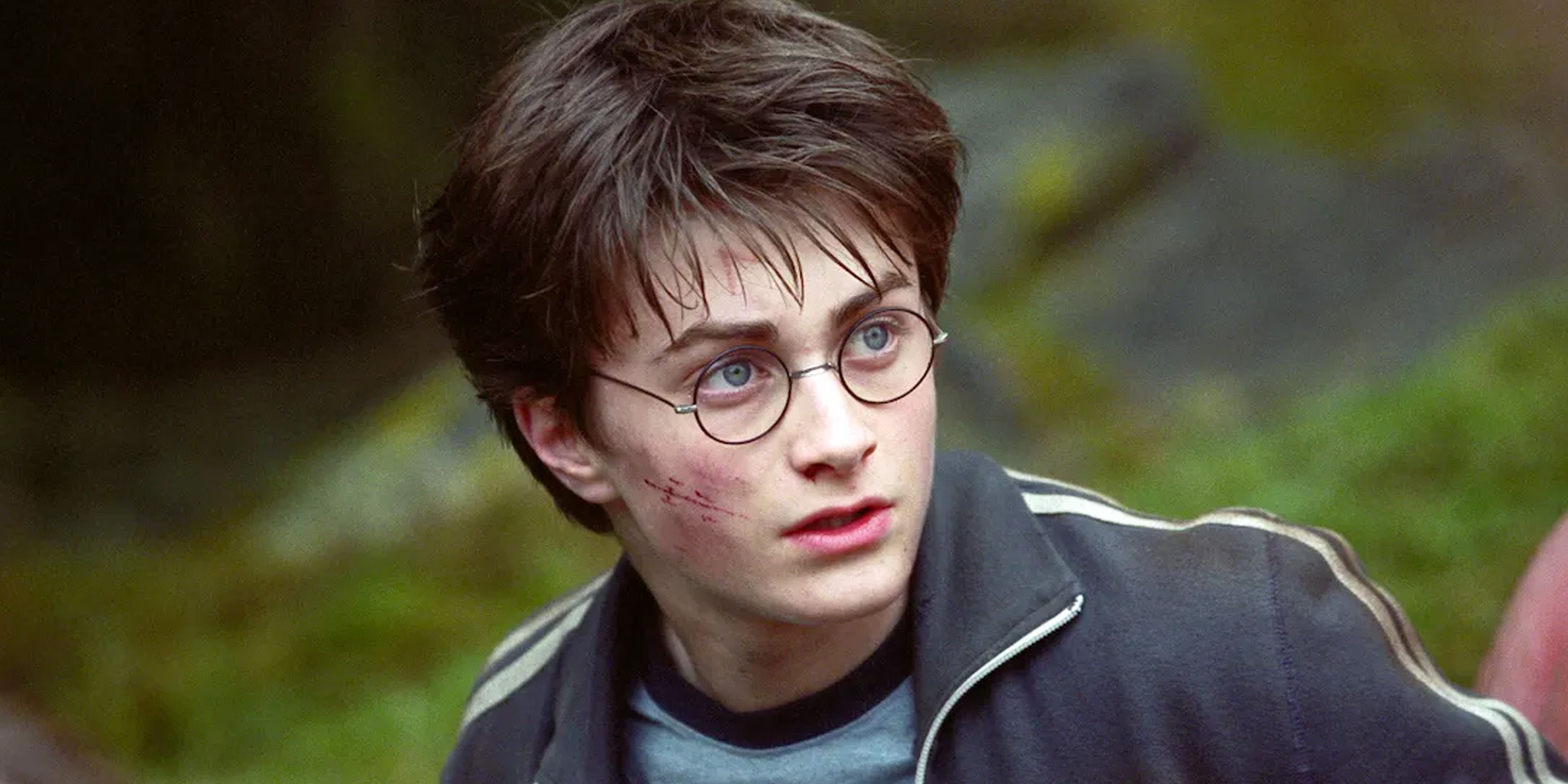
Another compelling aspect of these worlds is the focus on characters who embody their respective settings. For instance, the Harry Potter series introduces the Wizarding World, where every character contribution underscores the lore and culture of this hidden society. Harry's wonder mirrors that of audiences discovering magic for the first time alongside him. This relatable journey is a hallmark of effective world-building, making audiences not just spectators but active participants in a shared adventure.
In Peter Pan’s Neverland, the malignity of the Black Castle and the innocence of the Darling children's adventures launch viewers into a world brimming with possibility. The conflicts are emblematic of longing and the fear of growing up, subtly intertwined with character dynamics. This creates a resonance that extends beyond the screen, inviting reflections on the nature of childhood and adventure.
We should also consider the unique aesthetics each film employs to convey its fantasy worlds. MirrorMask, although less mainstream, utilizes a surreal visual style that channels the creativity of its protagonist through Helena’s drawings. The contrast between the City of Light and the Land of Shadows creates a striking atmosphere that both enchants and unsettles viewers. Dave McKean's artistic vision sets it apart, allowing for an exploration of darker themes through fantastical elements. Such artistic choices elevate the movie beyond mere entertainment, tapping into the viewer's subconscious.
Films like Black Panther not only construct imaginative worlds like Wakanda but also reflect cultural narratives rooted in real histories. Wakanda, brought to life through sophisticated technology and rich cultures, serves as a vessel for exploring themes of isolationism and the struggle for identity. This fusion of advanced technology with traditional heritage invites discussions around self-determination and cultural authenticity, making it a rich tapestry for viewers.
The Chronicles of Narnia delves similarly into mythic storytelling by showcasing a world that is both fantastical and profoundly moral. The shifting dynamics of Narnia between the visits of the Pevensie children allow reflection on time and change, paralleling the audience’s own experiences. Each facet of Narnia adds to the narrative's depth, drawing viewers into its intricacies while inviting them to ponder personal and collective growth.
The influence of these fantasy worlds extends beyond their onscreen appearances into the broader cultural landscape. The Wizard of Oz, with its blend of magical realms and moral undertones, remains a quintessential example of fantasy that audiences continue to reference and adapt. Moreover, each adaptation of such classic tales, including upcoming projects, carries the challenge of recapturing the essence that first enchanted audiences.
The Star Wars galaxy represents another significant case of expansive world-building—due to its vast array of planets and interlinking cultures. Each place in this galaxy is imbued with its own lore and history, propelling the narrative forward in intricate ways while ensuring cohesion within the series. This careful orchestration of diverse settings fosters audience attachment to the larger narrative fabric.
What is confirmed is that great fantasy worlds do more than simply serve as backdrops; they play a critical role in character development and thematic exploration. Each enchanting setting we encountered serves as a foundation for characters to grow and storylines to thrive, amplifying emotional and intellectual responses from viewers.
The analysis underscores how worlds like those in Honor Among Thieves embrace realism while weaving fantastical elements seamlessly into their fabric, appealing strongly to both new audience members and seasoned fans of the Dungeons & Dragons franchise. The movie captures the essence of adventure and camaraderie that resonates deeply with its viewers, even as it navigates various iconic locations.
The exploration of these fantasy worlds not only satisfies cinematic cravings but also ignites our imaginations. As filmmakers continue to delve into historic and beloved lore, there exists both a responsibility and opportunity to honor the legacy of these narratives while appealing to contemporary sensibilities. With adaptations and expansions on the horizon, audiences can eagerly anticipate new iterations that hope to celebrate the wonder of fantasy while carefully crafting the worlds we are drawn to.
The evolving nature of these landscapes serves as a testament to their powerful impact on storytelling itself. Ultimately, whether it's through return visits to known worlds or the discovery of new ones, audiences are reminded that the realms of imagination hold the most compelling stories of all.
Movie explanation
EpisodeBreakdown may use automated tools to assist research, drafting, and formatting. Published pages are governed by our editorial and corrections policies, and source links are shown when they are available in the article record.
Discovery source: CBR Movies. The source identifies where the topic was discovered; EpisodeBreakdown is responsible for the commentary published on this page.
Reader response
Reactions and poll results are based on real reader responses. No account is required.
Director Simon McQuoid discusses the creative direction behind 'Mortal Kombat II', now available on digital and 4K UHD Blu-ray.