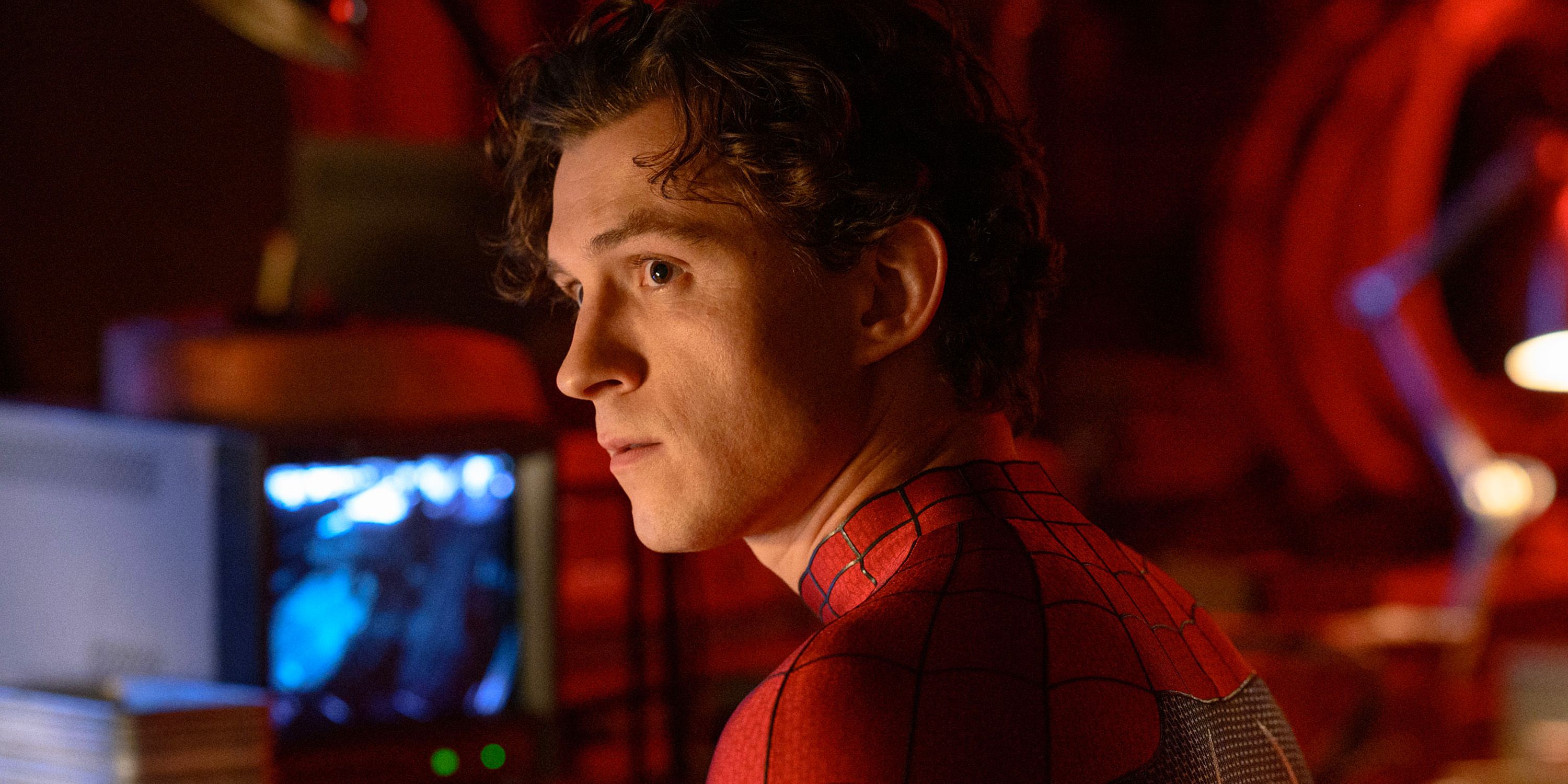
Exploring the Themes and Climax of Spider-Man: Brand New Day
Dive deep into the themes and critical turning points in Spider-Man: Brand New Day.
Discover the deeper meanings in The Lord of the Rings that resonate with adult viewers, revealing complex themes and character choices.
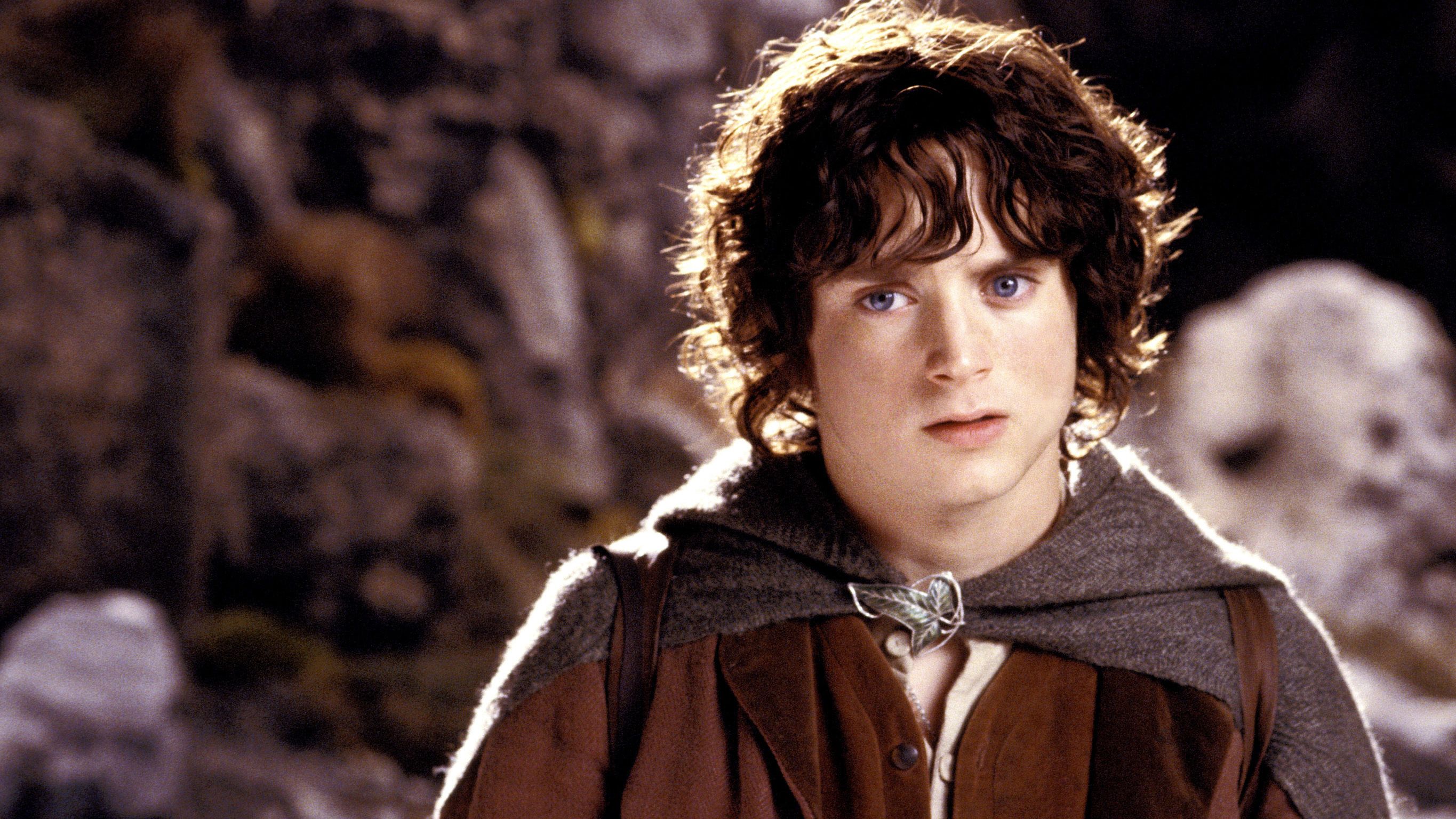
In simple terms, while The Lord of the Rings offers a straightforward narrative of good versus evil, certain nuances only resonate with adult viewers. This complexity stems from multifaceted character arcs, intricate themes, and subtext that mirror real-life experiences. The central question, then, is: What profound lessons can adults draw from Jackson's masterpiece? The answer reveals that maturity allows for a richer understanding of the characters’ journeys and the themes they symbolize.
What stands out in the trilogy is the portrayal of villains. Beyond the obvious evilness of Sauron, many antagonists like Gríma Wormtongue and the Nazgûl evoke sympathy, particularly when viewed through an adult lens. Confirmed events in the story show that many of these characters are products of their environment — manipulated by power and circumstance. Adults viewing the series can appreciate this complexity, understanding that conflicts often contain shades of gray.
For example, Wormtongue's manipulative nature becomes evident in how he attempts to preys on Éowyn’s vulnerability. Young viewers may simply see him as a bad guy, whereas adults can recognize these patterns as reflective of emotional abuse — an insight that invites viewers to examine real-world dynamics.
Another significant aspect adult viewers can grasp lies in the theme of parenthood. Key parental figures like Elrond and Théoden offer perspectives on love and loss that only resonate on a deeper level with mature audiences. Théoden's heartbreak following the death of his son, Théodred, is an emotional turning point, marking a profound moment of parental loss. The line he delivers, “No parent should have to bury their child,” goes beyond mere storytelling — it encapsulates genuine grief and showcases how despair transforms relationships.
Confirming this pain as relatable, Bernard Hill's improvisation of that line depicts real-world experiences of parental anguish, illustrating that themes of war are deeply affecting and resonate with adult viewers who have faced their own losses.
The Dead Marshes, a haunting location in the films, serves as a metaphor for the grim realities of battle. Young viewers may see it as an eerie setting, but adults recognize its deeper impact. Inspired by J. R. R. Tolkien's experiences in World War I, the marshes symbolize the haunting remnants of life lost — showcasing a perspective on war that is chillingly realistic.
This rich thematic detail underscores the tragedy of loss not just for individual characters but also for society as a whole, adding a layer of historical context that informs adult viewers’ understanding of sacrifice and grief on a larger scale.
While epic battles like Helm's Deep entertain viewers of all ages, it's the quieter moments that deepen the narrative for adult audiences. Reflection and conversation between characters illuminate their motivations, aspirations, and moral dilemmas, aspects often overlooked when younger viewers are enamored by action sequences. Gandalf’s discussions about life after death and the burdens heroes carry provide profound insights that foster connection and introspection, demonstrating that adult viewers appreciate the emotional landscape that exists beyond thrilling action.
The trilogy culminates in an emotionally charged ending where Frodo’s departure to the Undying Lands serves both as a resolution and a poignant farewell. This decision can be difficult for child audiences to comprehend as it entails the loss of everything Frodo has ever known — a profound choice reflecting the psychological scars left by trauma. Confirming Frodo’s struggles with what can be seen as post-traumatic stress disorder, this choice resonates strongly with adults. The weight of his journey renders his exit painfully relatable — an affirmation of the costs of conflict that sometimes requires leaving behind familiar comforts.
Among the serious nuances within the narrative, humor also threads through the trilogy, often taking on more adult tones. Instances such as characters enjoying pipe-weed suggest a humorous subtext that older viewers can appreciate for what it might imply. This humor, while light-hearted, still plays into the broader themes explored in the trilogy, emphasizing the importance of camaraderie amid dark circumstances. Understanding these double meanings adds yet another layer of depth for adult viewers who can recognize cultural cues in storytelling.
As the story unfolds, it becomes evident that the complexity of human experience parallels the journeys of the characters. Conflict is seldom black and white, and the perspectives offered challenge viewers to grapple with similar themes in their own lives.
For viewers seeking more depth, other narratives such as Michael Mann's Heat and Christopher Nolan's works delve deeply into the complexities of character choices and thematic exploration. Understanding the dense emotional undercurrents within these frameworks amplifies appreciation for the artistry present in cinematic storytelling, akin to what is found in The Lord of the Rings. Additionally, exploring the nuances of character development in films such as Tom Holland and Zendaya’s box office reign can provide compelling insights into modern storytelling.
Ultimately, revisiting The Lord of the Rings as an adult reveals a wealth of insights that enrich the understanding of its themes and characters. From the dark reflections of parental loss to the humbling realization of the complexity of human motivations, the trilogy offers layers upon layers of meaning that resonate with the adult audience. With its intricate narrative and depth, this cinematic accomplishment serves as a reminder of the enduring questions humanity faces, transcending its fantastical backdrop to touch upon the realities of life and loss, love and sacrifice.
Movie explanation
EpisodeBreakdown may use automated tools to assist research, drafting, and formatting. Published pages are governed by our editorial and corrections policies, and source links are shown when they are available in the article record.
Discovery source: CBR Movies. The source identifies where the topic was discovered; EpisodeBreakdown is responsible for the commentary published on this page.
Reader response
Reactions and poll results are based on real reader responses. No account is required.