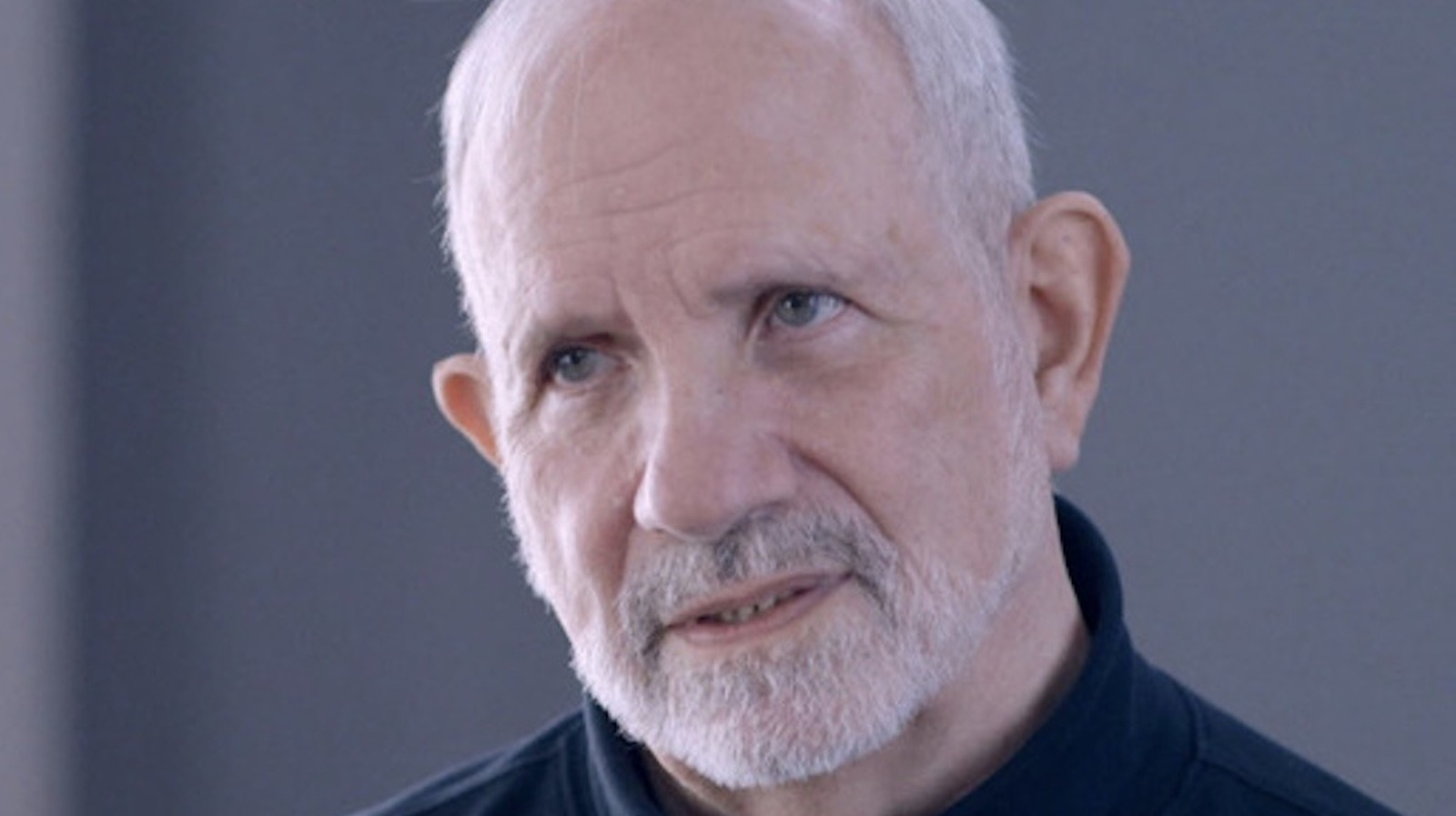
Brian De Palma: The Art of Coverage and its Implications
De Palma's filmmaking philosophy questions standard practices in cinema, emphasizing design over coverage.
Explore Catherine's complex portrayal in Hulu's Furious and examine themes of victimhood and vigilante justice.

In simple terms, Hulu's new series Furious presents a thought-provoking exploration of morality through its central character, Catherine. What happens is that Catherine is depicted not as a mere villain, but as a multi-dimensional individual who becomes a serial killer targeting wealthy men. This raises the central question of the series: Can an individual who acts on behalf of justice, albeit through violent means, be justified? The answer leans towards exploring ambiguity, suggesting that the boundaries of morality can blur under certain circumstances.
Furious is loosely inspired by the 1987 film Black Widow, wherein a woman seduces and murders men. However, creator Elizabeth Meriwether has updated this narrative, shifting the character of Catherine from a cold-hearted killer to a more sympathetic figure with a backstory that reveals her trauma as a victim of sex trafficking. This modern lens allows the audience to empathize with her plight, questioning society's systemic failures that lead a person down such a dark path.
Catherine is portrayed by Irish actor Lola Petticrew, earning acclaim for bringing depth to the character. Unlike traditional portrayals of female antagonists, Caterine's journey emphasizes her victimization before her transformation into a vigilante. This makes her actions all the more complex. As she targets predatory men, a duality emerges: the audience grapples with whether to vilify her actions or condone them as a form of twisted justice.
The series dives into themes of victimhood, highlighting the often-unseen scars that drive individuals to commit unspeakable acts. Catherine's past as a victim of sex trafficking is not merely a plot device but a critical element that adds layers to her motivations. This focus offers a bitter reflection on how society often neglects or mistreats victims of abuse and trafficking, consequently forcing some into a cycle of violence.
Key turning points throughout the series highlight Catherine's evolution. In early episodes, viewers see traces of her innocence, contrasted starkly against her later decisions as a killer. These moments invite reflections on her deterioration, grappling with how trauma can commandeer agency and alter a person's moral compass. Each step Catherine takes towards murder is a reaffirmation that she is ensnared in a world that has failed to protect her.
Confirming earlier established themes, the series concludes in a manner that resonates deeply with Catherine's journey. The ending serves not only to encapsulate her tragic arc but also raises uncomfortable questions about redemption and the potential for change. While it remains unclear how her fate ultimately unfolds, the narrative leaves the audience pondering the consequences of her vigilante actions. The ambiguity mirrors the series' exploration of difficult moral questions, challenging viewers to contemplate their own ethical boundaries. This reflective approach keeps audiences engaged long after the credits roll.
For those intrigued by these nuanced moral explorations, consider checking out Say Nothing, which follows a historical drama involving the struggles of the Northern Irish conflict, and is a testament to complex character portrayals. Additionally, This Ends Tonight, which delves into themes of justice and personal vendettas, could provide further context into similar character arcs.
Furious opens up critical conversations surrounding victimhood and justice, ultimately challenging the audience to reassess societal norms regarding morality, violence, and retribution. Through Catherine's story, the series poignantly reflects the consequences of a world that often neglects its most vulnerable, posing questions that resonate with current societal issues.
Movie explanation
EpisodeBreakdown may use automated tools to assist research, drafting, and formatting. Published pages are governed by our editorial and corrections policies, and source links are shown when they are available in the article record.
Discovery source: Slashfilm. The source identifies where the topic was discovered; EpisodeBreakdown is responsible for the commentary published on this page.
Reader response
Reactions and poll results are based on real reader responses. No account is required.