Analyzing Catherine's Duality in Hulu's Furious
Explore Catherine's complex portrayal in Hulu's Furious and examine themes of victimhood and vigilante justice.
De Palma's filmmaking philosophy questions standard practices in cinema, emphasizing design over coverage.
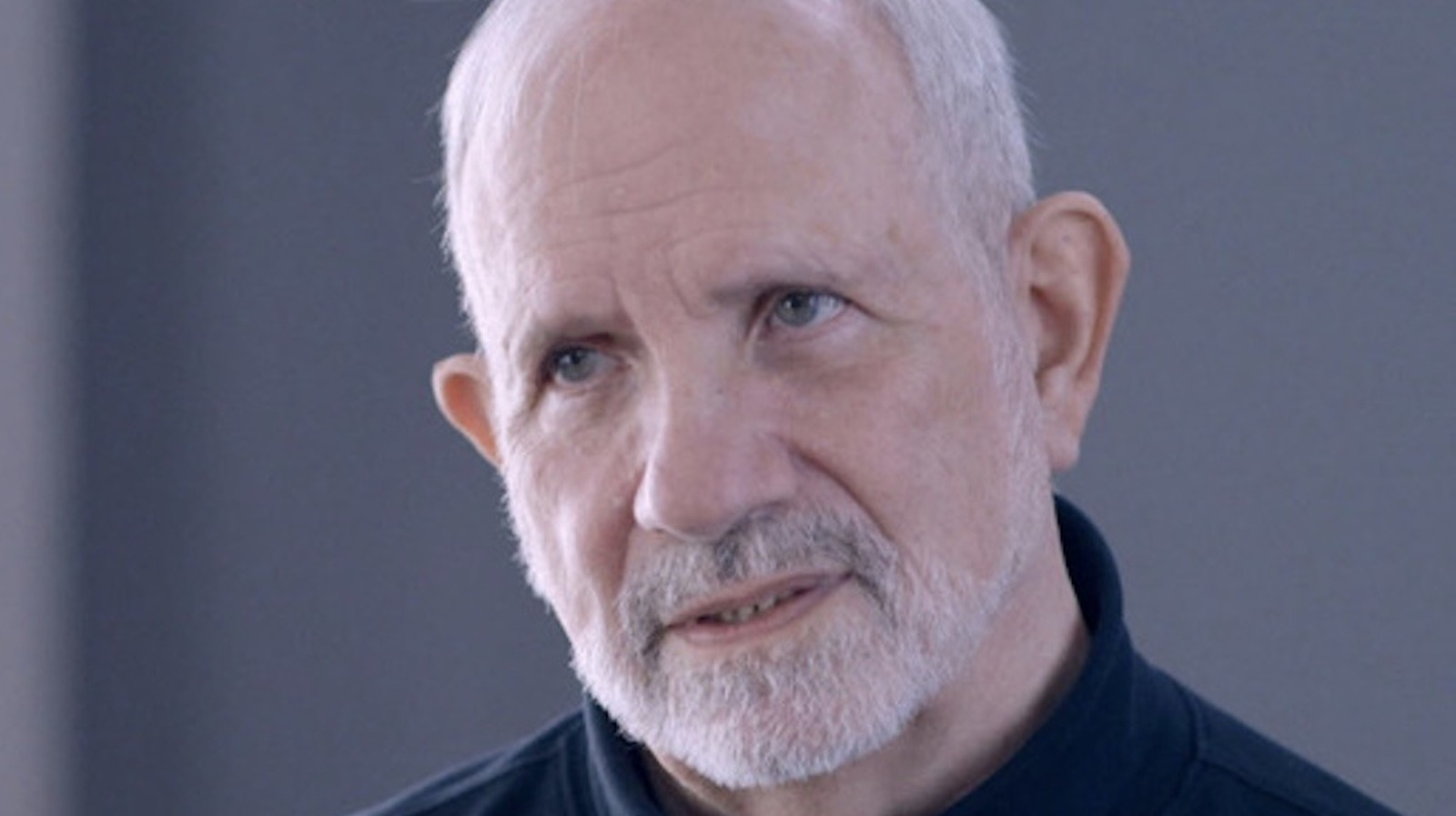
In simple terms, Brian De Palma believes that the concept of coverage in filmmaking—a method involving multiple angles and takes to allow for editing flexibility—is detrimental to artistic vision. Instead, he advocates for a focused approach where every shot is meticulously planned, enhancing the narrative's emotional resonance and visual style. Here is what is confirmed: De Palma's method has established him as a cinematic craftsman whose films often exude precision and intent, reflecting his unwavering understanding of visual storytelling.
Coverage, in the realm of filmmaking, is defined as the practice of shooting the same scene from different angles or perspectives to provide options during post-production. While this technique is commonplace and considered a safety net in contemporary cinema, De Palma perceives it as a hindrance to creativity. He articulates this viewpoint succinctly, describing coverage as "a bad word" in his lexicon, emphasizing the value of having a singular vision for each shot.
De Palma’s unparalleled expertise in crafting films such as Carrie, Scarface, and Blow Out exemplifies his disdain for coverage. Rather than capturing a plethora of shots, he meticulously designs each frame, aligning camera placement with the action's emotional core. This precision grants his works a unique blend of suspense and aesthetic clarity that often engages the audience on a deeper psychological level.
A hallmark of De Palma’s technique is his adeptness in using stylistic devices like split-diopters and long takes, which serve to immerse the viewer rather than overexpose them to a plethora of angles. His method elicits an active viewing experience, compelling the audience to engage with the film in a voyeuristic manner — a technique closely linked to his admiration for Alfred Hitchcock.
De Palma’s stringent approach extends beyond aesthetics; it shapes the emotional landscape of his narratives. Each shot is imbued with significance, creating an atmosphere ripe for tension and excitement. Films like Dressed to Kill showcase this meticulously crafted suspense, where the audience’s anticipation is palpably heightened through De Palma’s calibrated framing and pacing.
The specific decisions regarding camera placement become a dialogue between the filmmaker and the audience, guiding them through intricate emotional terrain. This technique not only builds suspense but allows the cinematography to become a character in its own right, enhancing the film's thematic depth.
Having never been nominated for an Academy Award for Best Director, De Palma’s career is often characterized as both groundbreaking and controversial. Despite any lack of recognition from awards bodies, his films stand as testaments to the effectiveness of his distinctive filmmaking style. With a blend of eroticism and psychological tension, De Palma challenges viewers to confront their own perceptions—a hallmark of his cinematic philosophy.
His approach to filmmaking contributes to a broader discourse regarding artistic integrity in cinema. De Palma’s resistance to coverage underscores a critical conversation about the balance between commercial expectations and creative vision. By harnessing a focused shooting strategy, he demonstrates the power of intent and structure in cinematic storytelling.
In comparison to De Palma’s crafted technique, many contemporary filmmakers lean heavily into the practice of coverage for the sake of flexibility in post-production. This shift towards a more relaxed shooting style speaks to the increasing pressures of studio demands and the industry’s reliance on editing as a corrective tool.
Directors like Ridley Scott and Adrian Lyne also masterfully manipulate imagery, offering their own takes on the necessity of following predetermined plans in filmmaking. Yet, De Palma remains a steadfast advocate for a focused vision, asserting that true artistry lies in the premeditated execution of shot composition.
What sets Brian De Palma apart is not merely his technique, but his unwavering commitment to cinematic storytelling as an art form. Every frame reflects a cogent vision that captivates audiences and invites them to experience the narrative through an intricate lens. His films operate on a level of awareness that recognizes the artifice at play, often drawing the viewer into a narrative experience that feels intimate yet grand.
De Palma’s works encourage a critical perspective, asking viewers to acknowledge the mechanics behind the curtain while being swept up in the emotional currents of the narrative. Even in commercial successes like Mission: Impossible, he embeds a cerebral element that transcends pure entertainment, sparking deeper reflections on morality and desire.
De Palma’s philosophy offers valuable insights into the essence of cinematic art and challenges filmmakers to reconsider their approach to visual storytelling. Coverage should not be viewed merely as a technical necessity, but rather as a potential detractor from narrative purity. As discussions about coverage versus singular vision evolve, filmmakers can draw on De Palma’s extensive body of work to cultivate their unique voices in this rapidly changing cinematic landscape.
The legacy of Brian De Palma exemplifies the profound impact that a focused artistic vision can have in creating resonant, unforgettable films. By eschewing conventional norms in favor of a more strict interpretation of visual storytelling, he shapes an understanding that truly engages the audience, pushing the boundaries of what film can achieve.
Movie explanation
EpisodeBreakdown may use automated tools to assist research, drafting, and formatting. Published pages are governed by our editorial and corrections policies, and source links are shown when they are available in the article record.
Discovery source: Slashfilm. The source identifies where the topic was discovered; EpisodeBreakdown is responsible for the commentary published on this page.
Reader response
Reactions and poll results are based on real reader responses. No account is required.