TIFF 2026 Tribute Honorees
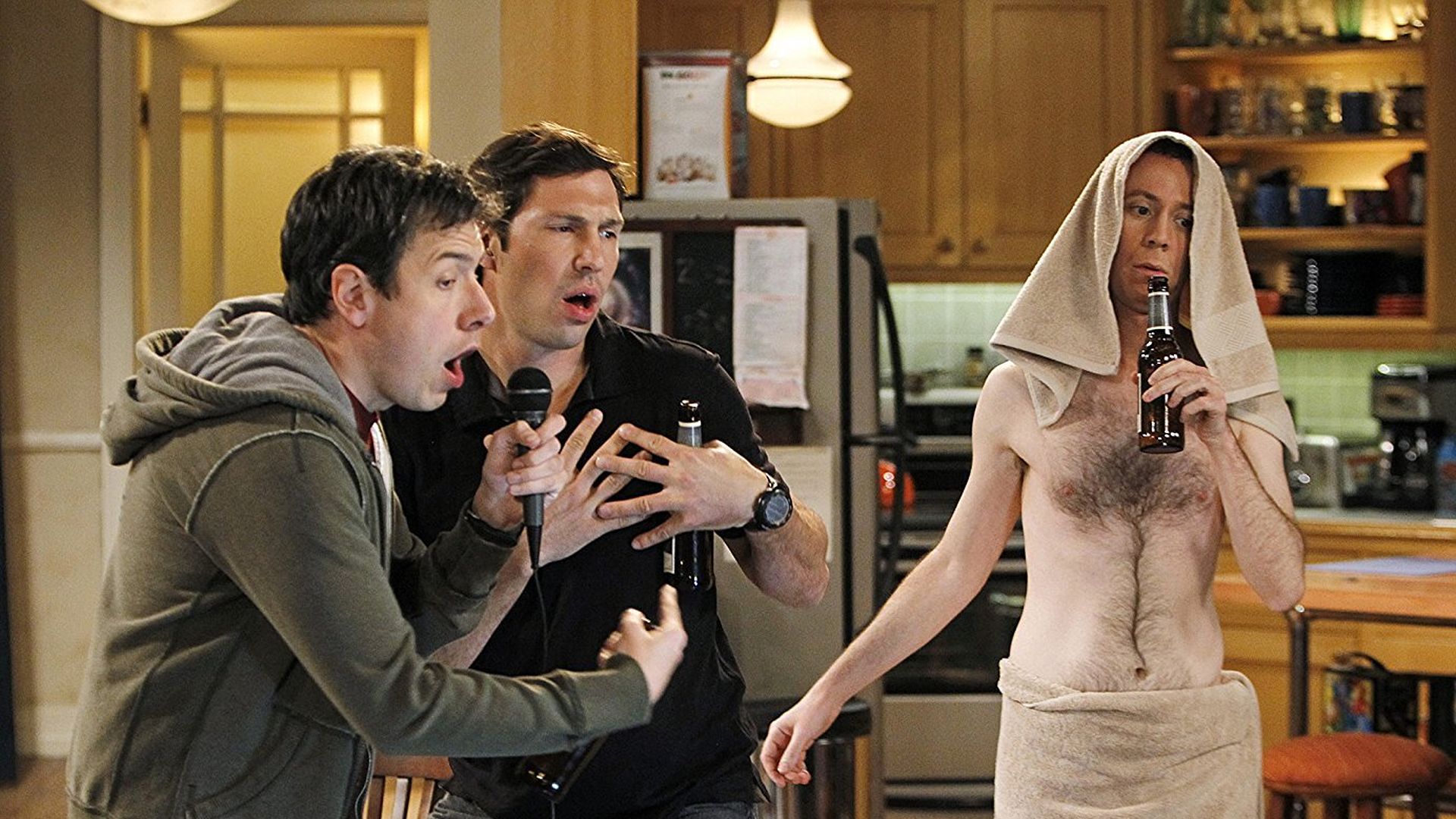
'TBBT's Long-Awaited Character Return: Stuart Fails to Save the Universe
A detailed analysis of the return of beloved characters in 'Stuart Fails to Save the Universe,' exploring plot, themes, and implications.
Andrew Garfield shares his thoughts on Amazon's surprising decision to drop Luca Guadagnino's Artificial, exploring themes of collaboration and cinematic vision.
In simple terms, Andrew Garfield has voiced his candid thoughts on Amazon's unexpected decision to discontinue Luca Guadagnino's film Artificial, which centers around the significant events surrounding OpenAI and its CEO, Sam Altman. This project, nearly complete at the time of its cancellation, exemplifies the complexities of collaboration in an evolving entertainment landscape. Garfield's reflections suggest a nuanced understanding of industry dynamics and the intricacies of aligning artistic vision with corporate interests.
What’s confirmed is that Amazon MGM Studios decided to abandon Artificial just as it has forged financial links with OpenAI, a decision that raised eyebrows within the industry. As reported by Devanshi Basu from ComingSoon, Garfield expressed mixed emotions about the studio's pullout, revealing that while he wasn’t entirely surprised, the timing felt disconcerting given Amazon's recent $50 billion investment in the tech realm. This abrupt shift poses the question: What happened behind the scenes?
Garfield acknowledged the support he and Guadagnino received during the film's production, emphasizing that Amazon was encouraging throughout the creative process. Rather than casting blame on the studio, he articulated the situation as a simple mismatch between the project's essence and the platform's suitability. This underscores the unpredictable nature of the film industry, where shifting corporate allegiances can affect creative projects dramatically.
The tension between artistic vision and commercial viability emerges as a key theme in this scenario. In his comments, Garfield indicated that Guadagnino and he had maintained positive relations with Amazon executives. The sentiment of gratitude for the partnership, despite the outcome, reflects a mature perspective on collaboration in Hollywood. However, this illustrates a larger issue across the industry: How do filmmakers navigate their creative aspirations when financial entities pivot?
It’s interesting to consider how these dynamics influenced the final decision. After Amazon’s exit, Artificial was picked up by the independent distributor Neon, paving a path for the film’s submission into the award circuit, highlighting the film's resilience and appeal despite corporate setbacks. This transition not only maintains the film's life but also ignites discussions on the broader implications of independent filmmaking as a countermeasure to corporate control.
Artificial’s narrative, penned by Simon Rich, intricately traces the chaotic events of 2023 regarding Altman’s firing and subsequent reinstatement at OpenAI. In the film, Andrew Garfield leads a notable ensemble cast, including Monica Barbaro and Mark Rylance, whose portrayals will contribute layers to the storyline regarding technology, ethics, and the human condition.
Garfield's approach to embodying Altman is intriguing, especially since he chose not to consult the real-life figure for preparation. Stating that he didn’t have personal contacts for Altman, he relied on public records to shape his performance. This choice underscores the complexities actors face in developing authentic portrayals without direct immersion into their subjects’ lives, presenting both challenges and the necessity for creative interpretation.
The corporate decisions around Artificial spotlight the ongoing struggle between creative entities and financial imperatives. Garfield's remarks suggest an acute awareness of how these shifts can reshape projects. The sudden refusal to align with a nearly finished film emphasizes how even high-caliber productions are not immune to the fluctuations of corporate strategies.
After Amazon's decision, highlighting its newly found association with Altman at a personal level—such as attending Jeff Bezos's wedding—raised questions about motivations behind the film's classification as not a fit. A perceived conflict of interest could have led to hesitations regarding the film’s release, prompting discussions about moral and ethical implications within tech affiliations in cinema.
Moving forward, Garfield expressed his eagerness to potentially engage with Altman directly, emphasizing curiosity rather than unresolved grievances. That openness suggests an understanding that creative processes thrive on dialogue, even among figures navigating the realms of technology and film.
Additionally, as Artificial embarks on its journey under Neon’s guidance, discussions surrounding its awards campaign are expected to intensify. This further emphasizes the resilience and potential of independent films amid an ever-changing industry landscape.
As Artificial navigates through its awards journey with Neon, the film serves as a case study on the intersections of corporate decisions, creative expression, and audience reception. The industry's reception to both Garfield and Guadagnino’s work will be closely observed, potentially setting precedents for how future projects handle similar corporate dynamics. The viability of such narratives in mainstream cinema raises questions about the capacity for creative autonomy alongside corporate interests. In assessing the burgeoning relationship between technology and film, Hollywood may soon have to recalibrate its narrative approaches and distribution strategies to thrive in an increasingly digital-oriented landscape.
In summation, Andrew Garfield's reflections illuminate the complexities of filmmaking in our contemporary world, punctuating a larger narrative about the future of cinema when intertwined with the advancing realms of artificial intelligence and corporate influence.
Movie explanation
EpisodeBreakdown may use automated tools to assist research, drafting, and formatting. Published pages are governed by our editorial and corrections policies, and source links are shown when they are available in the article record.
Discovery source: ComingSoon. The source identifies where the topic was discovered; EpisodeBreakdown is responsible for the commentary published on this page.
Reader response
Reactions and poll results are based on real reader responses. No account is required.
The TIFF 2026 Tribute Awards celebrate outstanding cinematic contributions. This article explores the honorees and their significant impact on film.