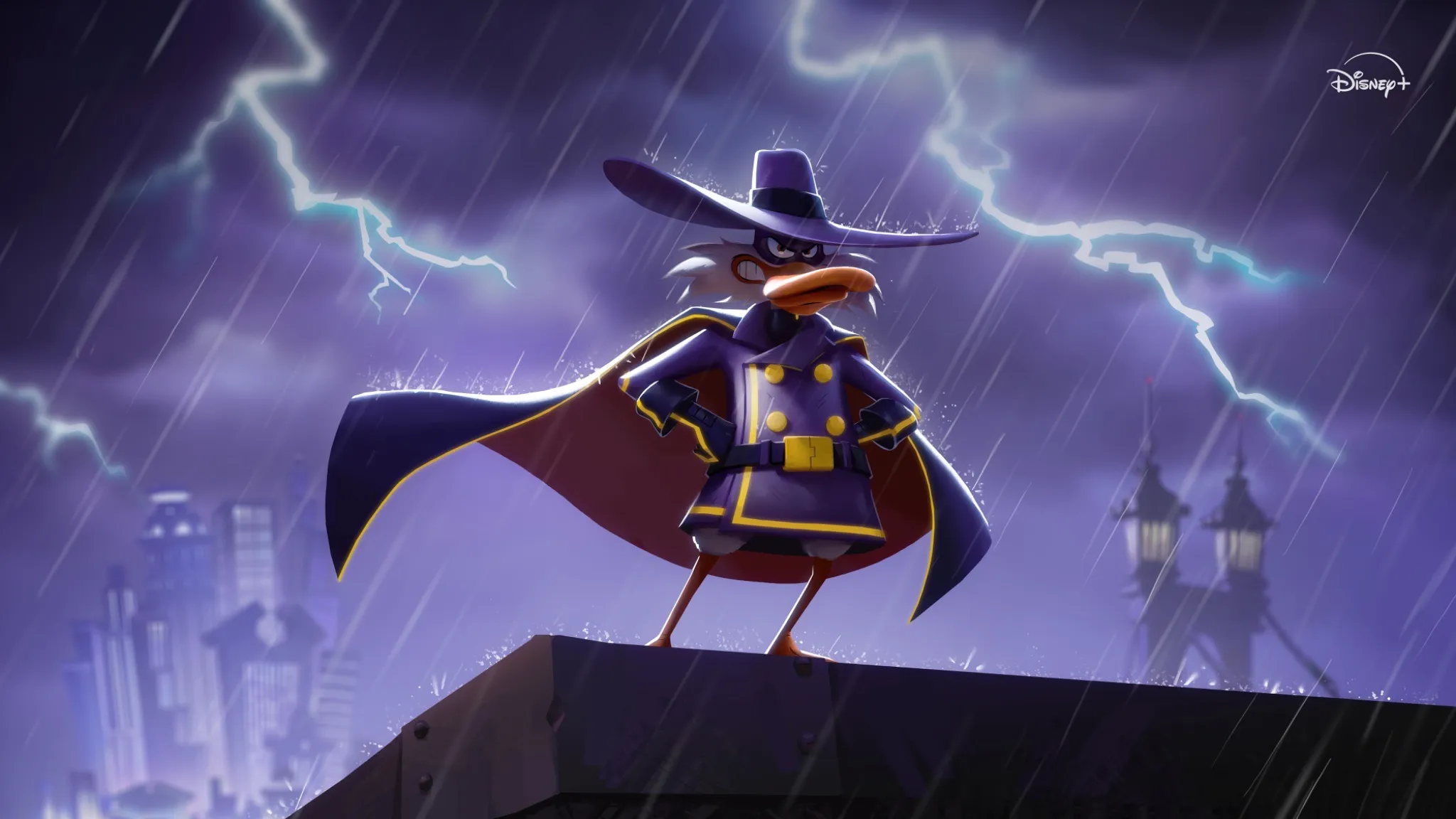
‘Darkwing Duck’ Reboot Ordered to Series at Disney+
Disney+ has officially ordered a reboot of ‘Darkwing Duck’ to series, featuring a star-studded voice cast, including Mark Hamill and Seth Rogen.
The character of Gob Bluth's puppet in Arrested Development is traced back to the '70s sitcom Soap. Will Arnett revealed the inspiration behind the character.
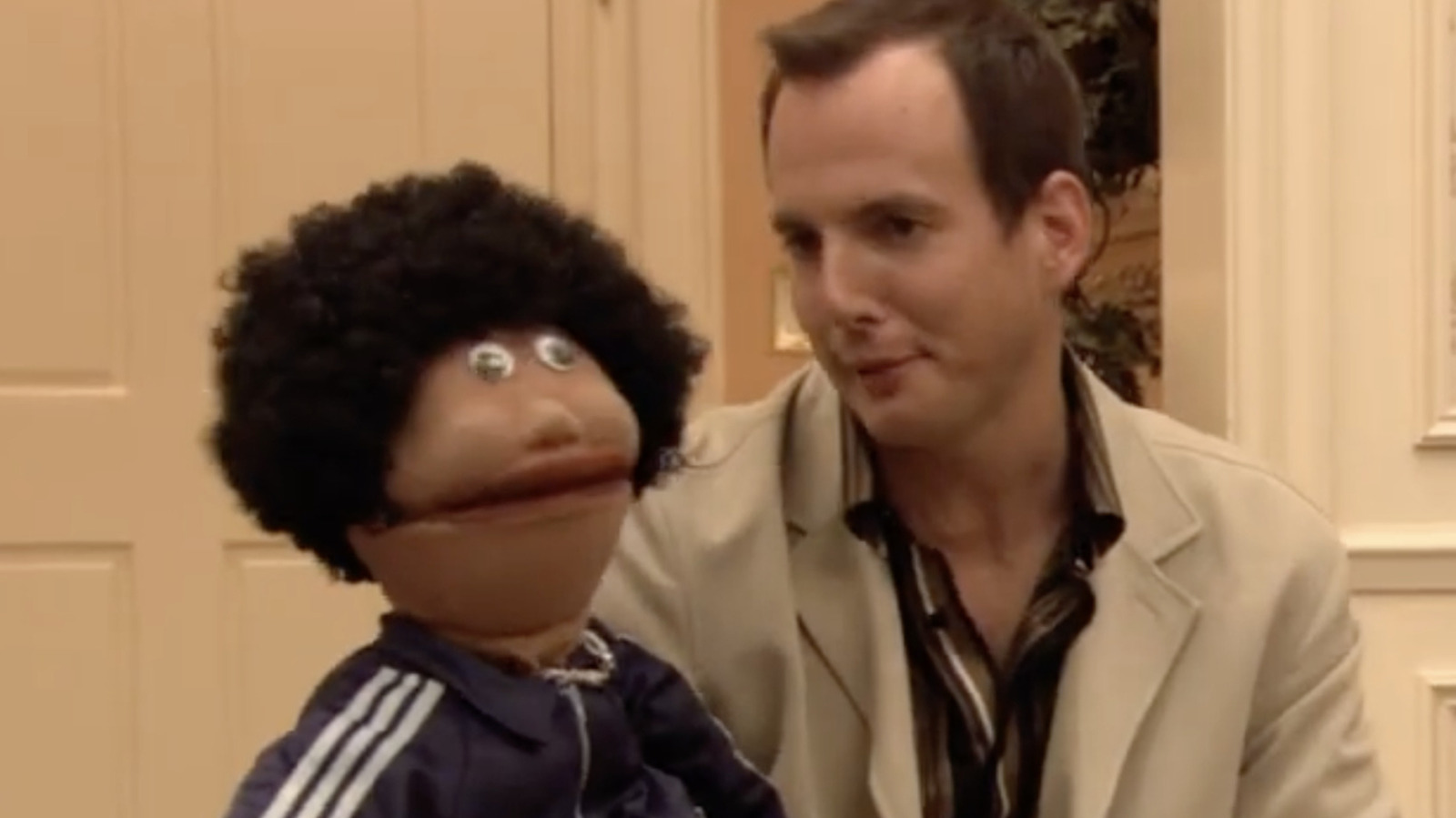
In a fascinating revelation, Will Arnett, the actor behind the infamous Gob Bluth in Arrested Development, has confirmed that the character's controversial ventriloquist puppet, Franklin Delano Bluth, was inspired by Chuck and Bob from the 1970s sitcom Soap. This detail sheds light on the origins of one of the show's most memorable running jokes.
According to TVLine, Arnett discussed Franklin's roots in a 2013 interview with Vulture, emphasizing how his long-standing admiration for Soap fueled the creativity behind his character’s puppet. The inspiration fits well within the show’s historical context of drawing humor from provocative and daring interactions, making it a lasting aspect of Arrested Development's legacy.
Franklin, portrayed as Gob's ventriloquist dummy, serves as a mouthpiece for racially charged jokes and inappropriate humor, often leading Gob into troublesome situations. His character reflects a similar dynamic with Chuck and Bob from Soap, where Chuck’s ventriloquism creates comedic tension in social settings. Gob's misadventures, particularly involving Franklin's off-color remarks, align closely with the culturally edged humor established in Soap, which ran for four seasons from 1977 to 1981.
Both Gob and Chuck are portrayed as outcasts in their respective family dynamics, sharing a penchant for alienating humor. While Chuck’s conflicts mainly lead to family embarrassment, Gob’s offensive banter with Franklin occasionally escalates to physical confrontations, illustrating the character's chaotic nature.
Mitch Hurwitz, creator of Arrested Development, has openly acknowledged the influence of Soap on his show, especially in its portrayal of dysfunctional families and irreverent comedy. Hurwitz collaborated with Soap's creative team, including Paul Junger Witt and Susan Harris, and has referenced their mentorship in shaping his own comedic vision. This relationship enriches our understanding of how classic sitcoms, like Soap, helped pave the way for the subsequent rise of shows that push boundaries in humor.
Both Soap and Arrested Development draw on family dynamics and socially taboo themes to elicit laughter, a common thread that highlights the evolution of sitcom comedy across generations. The parallels between these two shows emphasize how innovative approaches to humor were often met with initial resistance, contributing to their cult followings.
The relationship between Gob Bluth and Franklin reflects broader themes about race and humor in modern television. Despite the character's often distressing jokes, Franklin was crafted to challenge societal norms, inviting viewers to engage in difficult conversations about race and comedy. This complex portrayal resonates with fans who appreciate the show's willingness to tackle uncomfortable topics.
Since Arrested Development concluded in 2019, its iconic characters, particularly Gob and Franklin, have remained in popular culture discussions, signaling the show's lasting appeal. As audiences continue to revisit the series, the undertones of its humor and its influences from earlier works will likely spur new analyses and discussions.
This insight into Gob Bluth's puppet connects modern sitcoms with their historical precedents, reinforcing the importance of understanding how past influences shape contemporary storytelling. Arnett’s admission serves as a reminder of the ongoing legacy of groundbreaking series like Soap, as they continue to inform and inspire genre-defining works. Through the lens of characters like Franklin and Gob, audiences are invited to reflect on the evolution of comedic expression in television.
For further reading on related subjects, check out our articles on Family Matters: From Sitcom to Sci-Fi Phenomenon with an Unbelievable Ending and Protagonists Who Stole the Spotlight in 5 TV Shows.
Entertainment news
EpisodeBreakdown may use automated tools to assist research, drafting, and formatting. Published pages are governed by our editorial and corrections policies, and source links are shown when they are available in the article record.
Discovery source: TVLine. The source identifies where the topic was discovered; EpisodeBreakdown is responsible for the commentary published on this page.
Reader response
Reactions and poll results are based on real reader responses. No account is required.